
Stuck between lectures, assignments, and deadlines? You don’t need a gym to stay fit. Discover how a quick, effective home workout for students can boost energy, focus, and overall well-being—right from your dorm or apartment.
Why Home Workout for Students Is a Game-Changer
For students juggling academic pressure, social life, and part-time jobs, finding time to hit the gym can feel impossible. That’s where a home workout for students comes in—offering flexibility, zero commute, and no membership fees. It’s not just convenient; it’s a strategic move for long-term health and academic performance.
Time Efficiency Meets Maximum Results
One of the biggest advantages of a home workout for students is time efficiency. You can squeeze in a 10-minute session between classes or right after waking up. No travel, no waiting for equipment—just you and your body weight.
- Studies show that short, high-intensity workouts can improve cognitive function and memory retention (Harvard Health).
- Students who exercise regularly report better focus and reduced stress levels.
- Home workouts eliminate the intimidation factor often felt in gyms.
Cost-Effective Fitness Solution
Let’s face it—most students are on a tight budget. Gym memberships can cost $30–$100 per month, which adds up quickly. A home workout for students requires little to no equipment, making it one of the most affordable fitness options available.
Bodyweight exercises like push-ups, squats, and planks are free and highly effective.Investing in a $10 resistance band or a $20 yoga mat can enhance your routine without breaking the bank.Free apps and YouTube channels offer guided workouts tailored for students.”Physical activity is not just about building muscle—it’s about building mental resilience, especially during stressful academic periods.” — Dr.
.John Ratey, author of ‘Spark: The Revolutionary New Science of Exercise and the Brain’
Designing the Perfect Home Workout for Students
Creating an effective home workout for students doesn’t require complex planning.The key is consistency, variety, and smart progression.Whether you’re in a tiny dorm room or a shared apartment, you can design a routine that fits your space and schedule..
Essential Components of a Balanced Routine
A well-rounded home workout for students should include four core elements: cardiovascular exercise, strength training, flexibility, and recovery.
- Cardio: Jumping jacks, high knees, or stair climbing to get your heart pumping.
- Strength: Push-ups, squats, lunges, and planks to build muscle and endurance.
- Flexibility: Dynamic stretches before and static stretches after workouts to prevent injury.
- Recovery: Include rest days or light yoga to allow muscles to repair and grow.
Sample 7-Minute Student-Friendly Circuit
This science-backed circuit, inspired by the American Council on Exercise, uses high-intensity interval training (HIIT) principles and requires no equipment.
- Jumping Jacks – 30 seconds
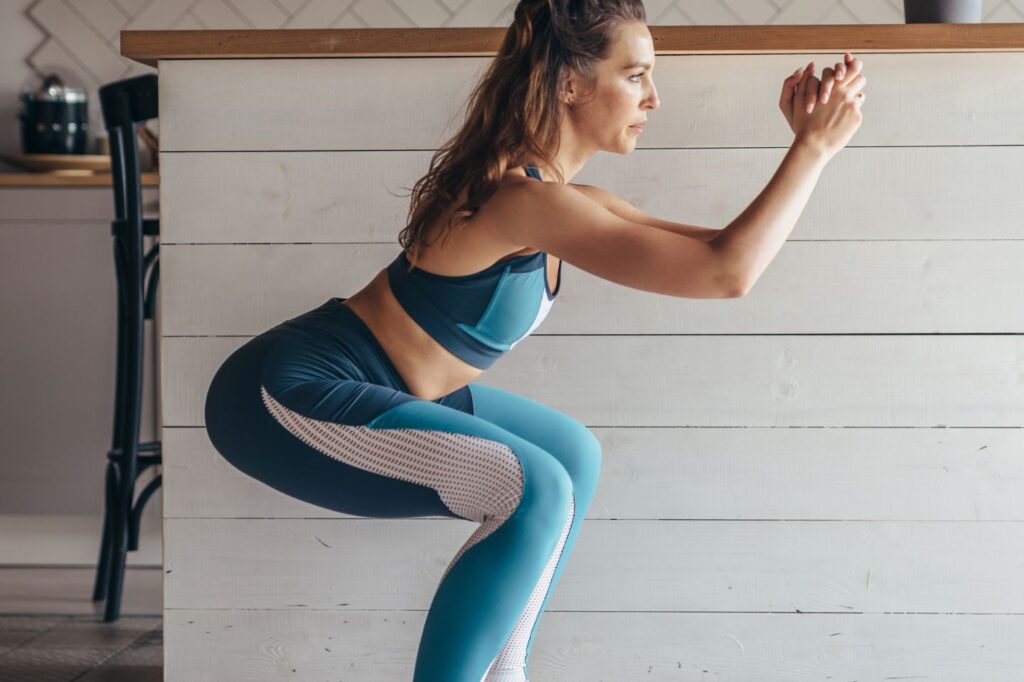
- Wall Sit – 30 seconds
- Push-Ups – 30 seconds
- Abdominal Crunches – 30 seconds
- Step-Ups on Chair – 30 seconds
- Squats – 30 seconds
- Triceps Dip on Chair – 30 seconds
- Plank – 30 seconds
- High Knees Running in Place – 30 seconds
- Forward Lunges – 30 seconds
- Push-Up with Rotation – 30 seconds
- Side Plank (each side) – 30 seconds
Repeat the circuit 1–3 times depending on your fitness level. Rest 10 seconds between exercises and 1 minute between rounds.
Overcoming Common Challenges in Home Workouts
While home workouts offer many benefits, students often face unique obstacles. From lack of motivation to limited space, these challenges can derail even the best intentions. Let’s tackle them head-on.
Lack of Motivation and Accountability
Motivation is fleeting, especially when you’re tired after a long day of classes. Relying solely on willpower is a recipe for inconsistency.
- Solution: Pair your workout with a habit you already do, like brushing your teeth or having morning coffee.
- Use habit-tracking apps like Habitica or Streaks to build momentum.
- Find a workout buddy—even virtually. Accountability increases adherence by up to 95% (BJ Fogg, PhD).
Small Living Spaces
Dorm rooms and shared apartments aren’t exactly fitness studios. But with smart exercise selection, you can work out in as little as 3×3 feet.
- Choose vertical movements like jumping jacks or mountain climbers over wide lateral moves.
- Use furniture safely—chairs for step-ups, triceps dips, or incline push-ups.
- Go outdoors when possible—staircases, parks, or sidewalks make great extensions of your workout space.
Best Equipment for a Home Workout for Students
While bodyweight exercises are powerful, adding minimal equipment can increase variety and intensity. The best part? Most are compact, affordable, and easy to store.
Resistance Bands: Portable Powerhouses
Resistance bands are lightweight, inexpensive, and versatile. They can add resistance to squats, glute bridges, or rows using a door anchor.
- Available in different tension levels (light to heavy).
- Perfect for upper and lower body workouts.
- Can be rolled up and stored in a backpack.
Foldable Yoga Mat and Adjustable Dumbbells
A yoga mat provides cushioning and defines your workout space. Look for thin, foldable mats designed for small spaces.
- Pair it with adjustable dumbbells that save space and offer progressive overload.
- Brands like Bowflex or PowerBlock offer compact options under $100.
- Use for exercises like goblet squats, shoulder presses, or bicep curls.
“You don’t have to be extreme. Just 10 minutes of movement a day can shift your energy, mood, and focus.” — Dr. Kelly McGonigal, Stanford University
Nutrition Tips to Support Your Home Workout for Students
Exercise is only half the equation. Proper nutrition fuels your workouts, aids recovery, and supports brain function—critical for academic success.
Fuel Your Body Like a High-Performance Machine
Think of your body as a race car. You wouldn’t put low-grade fuel in a Ferrari, right? The same goes for your body during intense study and workout periods.
- Eat balanced meals with lean protein, complex carbs, and healthy fats.
- Snack smart: Greek yogurt, nuts, bananas, or peanut butter on whole-grain toast.
- Stay hydrated—dehydration leads to fatigue and poor concentration.
Meal Prep on a Budget
Healthy eating doesn’t have to be expensive. With a little planning, you can eat well without overspending.
- Cook in bulk: Make a big pot of chili, stir-fry, or oatmeal on weekends.
- Buy frozen vegetables—they’re just as nutritious and last longer.
- Use student discounts at grocery stores or co-ops.
Mental Health Benefits of a Home Workout for Students
Exercise isn’t just about physical appearance. For students, the mental health benefits of a home workout for students are profound and scientifically proven.
Reducing Stress and Anxiety
Academic pressure, financial stress, and social challenges can take a toll on mental health. Physical activity triggers the release of endorphins, serotonin, and dopamine—your brain’s natural mood boosters.
- Just 20 minutes of moderate exercise can reduce anxiety levels (American Psychological Association).
- Yoga and stretching routines help regulate the nervous system.
- Regular movement improves sleep quality, which is crucial for emotional regulation.
Boosting Confidence and Discipline
Completing a workout—even a short one—builds self-efficacy. Each session reinforces the belief that you can stick to your goals.
- Discipline in fitness often spills over into academics and time management.
- Visible progress (more push-ups, longer planks) boosts self-esteem.
- Students who exercise report higher levels of self-worth and resilience.
Tracking Progress and Staying Consistent
Consistency is the secret sauce of any successful home workout for students. But how do you stay on track when life gets chaotic?
Use a Fitness Journal or App
Tracking your workouts helps you see progress, even when it feels slow.
- Log exercises, reps, and how you felt each day.
- Apps like MyFitnessPal, Fitbod, or Google Fit offer easy tracking.
- Photos or videos can show physical changes over time.
Set SMART Goals
Vague goals like “get fit” are hard to achieve. Instead, use the SMART framework:
- Specific: “Do a 10-minute home workout every morning.”
- Measurable: “Complete 3 circuits of the 7-minute workout.”
- Achievable: Start with 3 days a week, not 7.
- Relevant: Aligns with your health and academic goals.
- Time-bound: “Stick to this for 30 days.”
“Success in fitness comes not from perfection, but from persistence.” — Unknown
FAQ
Can I build muscle with just a home workout for students?
Yes, absolutely. Bodyweight exercises like push-ups, squats, and lunges can build strength and muscle, especially when combined with progressive overload (increasing reps, sets, or difficulty over time). Adding resistance bands or dumbbells enhances muscle growth.
How often should I do a home workout as a student?
Aim for at least 3–5 sessions per week, even if they’re short (10–20 minutes). Consistency matters more than duration. Include rest days for recovery.
What if I don’t have any equipment?
No problem. Bodyweight exercises are highly effective. You can do push-ups, planks, squats, jumping jacks, and mountain climbers anywhere. Many free online programs require zero equipment.
Can home workouts help with studying and focus?
Yes. Exercise increases blood flow to the brain, improves mood, and enhances cognitive function. Even a 5-minute movement break can reset your focus during long study sessions.
Is a 7-minute workout really effective?
Yes, when done with intensity. The 7-minute workout is based on HIIT principles, which have been shown to improve cardiovascular health, insulin sensitivity, and endurance. It’s a great option for busy students.
Staying active as a student doesn’t require a gym membership or hours of free time. With a smart, structured home workout for students, you can boost your physical health, mental clarity, and academic performance—all from the comfort of your room. The key is to start small, stay consistent, and celebrate progress. Your future self will thank you.
home workout for students – Home workout for students menjadi aspek penting yang dibahas di sini.
Further Reading: