

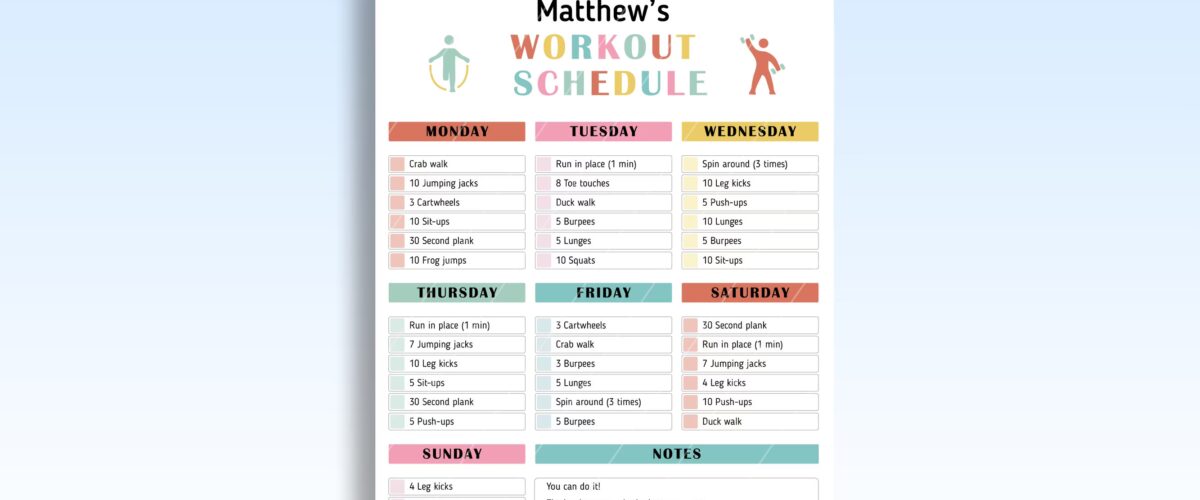
Being a student is no easy feat—between lectures, assignments, and exams, it’s easy to neglect your body. But a smart daily exercise routine for students isn’t just about fitness; it’s a game-changer for focus, energy, and mental clarity. Let’s build a realistic, science-backed plan that fits student life.
Why a Daily Exercise Routine for Students Is Non-Negotiable
College and school life often revolve around sitting—whether in classrooms, libraries, or dorm rooms. This sedentary lifestyle can lead to fatigue, poor concentration, and even long-term health issues. Incorporating a consistent daily exercise routine for students isn’t just about physical health; it’s a strategic investment in academic performance and emotional well-being.
Boosts Brain Function and Academic Performance
Physical activity increases blood flow to the brain, enhancing cognitive functions like memory, attention, and problem-solving. According to a study published by the National Institutes of Health, students who engage in regular physical activity perform better academically than their inactive peers.
- Exercise stimulates the release of brain-derived neurotrophic factor (BDNF), crucial for neuron growth.
- Even 20 minutes of moderate exercise before studying can improve information retention.
- Regular movement helps regulate circadian rhythms, leading to better sleep and sharper focus.
“Students who are physically active tend to have better grades, school attendance, and cognitive performance.” — Centers for Disease Control and Prevention (CDC)
Reduces Stress and Enhances Mental Health
Academic pressure, social challenges, and financial concerns can take a toll on mental health. A daily exercise routine for students acts as a natural antidepressant by increasing endorphins and reducing cortisol, the stress hormone.
- Aerobic exercises like jogging or cycling are proven to reduce symptoms of anxiety and depression.
- Yoga and stretching routines help regulate the nervous system and promote mindfulness.
- Group workouts foster social connections, reducing feelings of isolation.
The American Psychological Association reports that Gen Z students experience higher stress levels than any other generation, making exercise a vital coping mechanism.
Designing the Perfect Daily Exercise Routine for Students
Creating a sustainable daily exercise routine for students means balancing effectiveness with time constraints. The goal isn’t to train like an athlete but to move consistently in ways that support energy, mood, and focus. Here’s how to build a routine that fits into a packed student schedule.
Assess Your Schedule and Energy Levels
Before jumping into a workout plan, take an honest look at your daily routine. When are you most energetic? Do you have 15 free minutes between classes or a longer gap in the afternoon?
- Morning people might benefit from a quick workout before class to boost alertness.
- Night owls may prefer evening sessions to relieve stress after studying.
- Use a planner or app to block out workout times just like lectures.
Consistency matters more than duration. A 10-minute workout done daily is better than an hour-long session once a week.
Choose Activities You Enjoy
The biggest reason people quit exercise is boredom. A successful daily exercise routine for students must include activities that feel fun, not like a chore.
- If you love music, try dance-based workouts or Zumba.
- Outdoor enthusiasts can go for brisk walks, bike rides, or campus jogs.
- Video game lovers might enjoy active gaming apps like Ring Fit Adventure or Just Dance.
Enjoyment increases adherence. According to research from the European Journal of Sport Science, people who enjoy their workouts are 70% more likely to stick with them long-term.
Sample Daily Exercise Routine for Students (Beginner to Intermediate)
Here’s a realistic, 30-minute daily exercise routine for students that requires no gym membership and minimal equipment. It combines cardio, strength, and flexibility for balanced fitness.
Morning Energizer (15 Minutes)
Start your day with movement to wake up your body and mind. Do this after waking up or before your first class.
- Jumping jacks – 1 minute
- Bodyweight squats – 15 reps
- Push-ups (knee or standard) – 10–15 reps
- Plank – 30 seconds
- High knees – 1 minute
- Standing forward bend stretch – 1 minute
- Repeat the circuit twice with 30 seconds rest between rounds
This routine boosts circulation, increases alertness, and sets a proactive tone for the day.
Afternoon Movement Break (10–15 Minutes)
Use a break between classes or after lunch to avoid the post-meal slump. This short session prevents stiffness and improves focus.
- Brisk walk around campus – 5 minutes
- Stair climbing – 3 flights up and down
- Standing calf raises – 20 reps
- Shoulder rolls and neck stretches – 2 minutes
- Deep breathing exercises – 1 minute
Walking is underrated but highly effective. A Harvard Health study shows that walking 10,000 steps a day can reduce the risk of chronic diseases and improve mood.
Evening Wind-Down (10–15 Minutes)
After studying, use gentle movement to relax your body and prepare for restful sleep.
- Seated forward fold – 1 minute
- Cat-cow stretch – 1 minute
- Child’s pose – 1 minute
- Legs-up-the-wall pose – 3 minutes
- Guided breathing or meditation – 3–5 minutes
This routine helps release tension from hours of sitting and signals your brain that it’s time to unwind.
Adapting Your Daily Exercise Routine for Students Based on Lifestyle
Not all students live the same way. Some live on campus, others commute. Some have access to gyms, while others rely on dorm rooms. Your daily exercise routine for students should be flexible and adaptable.
For Dorm Room Warriors
If you’re stuck in a small dorm room, you can still get an effective workout. Bodyweight exercises require zero equipment and minimal space.
- Use a resistance band for added intensity (easy to store).
- Follow YouTube workout videos (e.g., Yoga with Adriene, Fitness Blender).
- Do isometric holds like wall sits or planks to build strength silently.
Apps like NHS Fitness Studio offer free, no-equipment routines perfect for tight spaces.
For Commuter Students
Commuting eats up time, but it also presents hidden opportunities. Turn travel time into movement time.
- Get off the bus or train one stop early and walk the rest.
- Park farther from campus to add steps.
- Use a standing desk or walking desk during study breaks.
Even small changes add up. The CDC recommends at least 150 minutes of moderate-intensity aerobic activity per week—walking can easily contribute to this goal.
For Student Athletes and Active Learners
If you’re already involved in sports or fitness classes, your daily exercise routine for students should complement—not compete with—your existing schedule.
- Avoid overtraining by scheduling active recovery days (light yoga, stretching).
- Incorporate mobility work to prevent injuries.
- Use foam rolling and hydration as part of your recovery protocol.
Balancing academics and athletics requires smart planning. Use fitness trackers to monitor exertion and avoid burnout.
Overcoming Common Barriers to a Daily Exercise Routine for Students
Even with the best intentions, students face real obstacles. Let’s tackle the most common ones and provide practical solutions.
Lack of Time
“I don’t have time” is the #1 excuse. But research shows you don’t need hours—just consistency.
- Break workouts into 5–10 minute chunks (e.g., 3 sets of 10 squats between study sessions).
- Use the “habit stacking” technique: pair exercise with existing habits (e.g., do lunges while brushing teeth).
- Try micro-workouts: 7-minute apps or Tabata routines are scientifically proven to be effective.
A JAMA Internal Medicine study found that short bursts of activity significantly improve cardiovascular health.
Lack of Motivation
Motivation fades, but systems endure. Build a routine that doesn’t rely on willpower.
- Find an accountability partner (study buddy who also exercises).
- Track progress with a habit tracker or fitness journal.
- Reward yourself for consistency (e.g., a favorite snack after 5 workouts).
Use motivational quotes or vision boards to remind yourself of your ‘why.’
daily exercise routine for students – Daily exercise routine for students menjadi aspek penting yang dibahas di sini.
Physical Limitations or Injuries
Some students deal with chronic pain, injuries, or disabilities. Exercise should be inclusive and safe.
- Consult a physical therapist or campus health center for modifications.
- Try low-impact activities like swimming, chair yoga, or resistance band training.
- Focus on form over intensity to prevent further strain.
The key is adaptation, not elimination. Everyone can move in a way that benefits their body.
Nutrition and Recovery: Fueling Your Daily Exercise Routine for Students
Exercise is only half the equation. Without proper fuel and recovery, your efforts may backfire with fatigue or injury.
Hydration and Energy Balance
Dehydration leads to brain fog and reduced physical performance. Students often survive on coffee and energy drinks—this isn’t sustainable.
- Drink at least 2–3 liters of water daily.
- Limit sugary drinks and excessive caffeine.
- Carry a reusable water bottle as a visual reminder.
Even mild dehydration (1–2%) impairs concentration and mood, according to the Journal of Nutrition.
Pre- and Post-Workout Nutrition
What you eat around your workout matters, especially for students with tight schedules.
- Pre-workout (30–60 mins prior): A banana with peanut butter or a small smoothie.
- Post-workout: Protein + carbs within 45 minutes (e.g., yogurt with fruit, a hard-boiled egg with toast).
- Avoid heavy meals before exercise to prevent sluggishness.
On a budget? Canned beans, eggs, oats, and frozen veggies are affordable, nutrient-dense options.
Sleep and Active Recovery
Sleep is when your body repairs muscles and consolidates memories. Skimping on sleep sabotages both fitness and academics.
- Aim for 7–9 hours of quality sleep nightly.
- Establish a bedtime routine: no screens 30 minutes before bed, dim lights, read or stretch.
- Use weekends to catch up, but avoid drastic shifts in sleep schedule.
Poor sleep increases injury risk and reduces motivation. It’s a silent enemy of any daily exercise routine for students.
Tracking Progress and Staying Consistent
Consistency is the secret sauce. You don’t need perfection—just persistence. Here’s how to stay on track with your daily exercise routine for students.
Use Technology Wisely
Leverage apps and tools to automate accountability.
- Fitness trackers (e.g., Fitbit, Apple Watch) monitor steps, heart rate, and activity.
- Habit-tracking apps like Habitica or Streaks gamify consistency.
- Calendar blocking: Schedule workouts like appointments.
Set reminders and notifications to reduce decision fatigue.
Set SMART Goals
Vague goals like “get fit” rarely work. Use the SMART framework:
- Specific: “Do 20 push-ups without stopping.”
- Measurable: “Walk 8,000 steps daily.”
- Achievable: Start small to build confidence.
- Relevant: Align with your health or academic goals.
- Time-bound: “Achieve this in 4 weeks.”
SMART goals increase success rates by up to 76%, according to PNAS research.
Celebrate Small Wins
Progress isn’t always visible on a scale. Celebrate non-scale victories:
- “I studied better after my morning workout.”
- “I didn’t feel as anxious today.”
- “I stuck to my routine for 5 days straight.”
Positive reinforcement strengthens habits and builds self-efficacy.
What if I miss a day?
It’s normal to miss a workout. Don’t let one slip turn into a week off. Just restart the next day. Progress isn’t linear.
Can I do this without a gym?
Absolutely. Bodyweight exercises, walking, and online videos make gyms optional. Focus on consistency, not equipment.
How long until I see results?
Physical changes may take 4–8 weeks, but mental benefits (better focus, mood) can appear in as little as 2 weeks.
Is 10 minutes of exercise enough?
Yes! Ten minutes of intentional movement is better than zero. It builds momentum and can grow into longer sessions over time.
What’s the best time to exercise as a student?
It depends on your rhythm. Morning workouts boost energy, afternoon ones relieve stress, and evening sessions aid sleep—choose what fits your schedule.
Building a daily exercise routine for students isn’t about perfection—it’s about progress. By integrating movement into your day, you’re not just improving your body; you’re sharpening your mind, stabilizing your mood, and setting yourself up for long-term success. Start small, stay consistent, and watch how a little daily effort transforms your student life.
daily exercise routine for students – Daily exercise routine for students menjadi aspek penting yang dibahas di sini.
Further Reading: