
Staying active during the teenage years isn’t just about looking good—it’s about feeling strong, focused, and confident. Discover a science-backed exercise routine for teenagers that boosts energy, mood, and long-term health.
Why an Exercise Routine for Teenagers Is Essential

Adolescence is a critical window for physical and mental development. Establishing a consistent exercise routine for teenagers during these formative years lays the foundation for lifelong health. The benefits go far beyond physical appearance—they impact brain function, emotional regulation, and social confidence.
Physical Development During Adolescence
Teenagers experience rapid growth spurts, hormonal changes, and increased muscle mass, especially during puberty. Regular physical activity supports healthy bone density, muscle development, and cardiovascular function. According to the Centers for Disease Control and Prevention (CDC), teens should get at least 60 minutes of moderate to vigorous physical activity daily.
- Bone strength increases significantly with weight-bearing exercises like running and jumping.
- Muscle growth is enhanced through resistance training, especially when combined with proper nutrition.
- Cardiovascular endurance improves with consistent aerobic activity such as swimming or cycling.
“Physical activity is crucial for normal growth and development in teens,” says Dr. Sarah Johnson, pediatric exercise specialist at Nationwide Children’s Hospital.
Mental and Emotional Benefits
Exercise isn’t just good for the body—it’s a powerful tool for mental wellness. A well-structured exercise routine for teenagers can reduce symptoms of anxiety and depression, improve sleep quality, and boost self-esteem. Studies show that physical activity increases endorphins and serotonin, neurotransmitters linked to happiness and reduced stress.
- Regular movement helps regulate mood swings common during adolescence.
- Team sports and group workouts foster social connections and reduce feelings of isolation.
- Goal-setting in fitness builds discipline and a sense of achievement.
Components of an Effective Exercise Routine for Teenagers
A balanced exercise routine for teenagers should include a mix of cardiovascular training, strength development, flexibility, and coordination. Ignoring any of these components can lead to imbalances, injuries, or burnout. Let’s break down each element and how to integrate them safely and effectively.
Cardiovascular Exercise: Fueling Heart Health
Cardio, or aerobic exercise, strengthens the heart and lungs while improving stamina and energy levels. For teenagers, this doesn’t mean hours on a treadmill—it can be fun, dynamic, and social.
- Activities like dancing, skateboarding, or playing basketball count as cardio.
- Teens should aim for at least 3–5 sessions per week, lasting 30–60 minutes.
- Interval training (alternating high and low intensity) is especially effective for fat burning and endurance.
According to the American Heart Association, consistent aerobic activity reduces the risk of chronic diseases later in life, including type 2 diabetes and hypertension.
Strength Training: Building a Stronger You
Contrary to outdated myths, strength training is safe and beneficial for teenagers when done correctly. It supports muscle growth, improves posture, and enhances athletic performance. The key is using proper form and progressive overload—not lifting maximum weights too soon.
exercise routine for teenagers – Exercise routine for teenagers menjadi aspek penting yang dibahas di sini.
- Bodyweight exercises like push-ups, squats, and planks are excellent starting points.
- Free weights and resistance bands can be introduced under supervision.
- Focus on major muscle groups: legs, back, chest, core, and arms.
“Strength training in teens should emphasize technique over load,” advises Dr. Mark Williams, sports medicine physician.
The National Strength and Conditioning Association (NSCA) recommends that teens engage in strength training 2–3 times per week, allowing at least one rest day between sessions for muscle recovery.
Flexibility and Mobility: Preventing Injury and Improving Performance
Flexibility is often overlooked in teenage fitness, yet it plays a vital role in injury prevention and movement efficiency. As teens grow rapidly, muscles can become tight, leading to discomfort or poor posture.
- Dynamic stretching (moving while stretching) is ideal before workouts.
- Static stretching (holding a stretch) works best after exercise or on rest days.
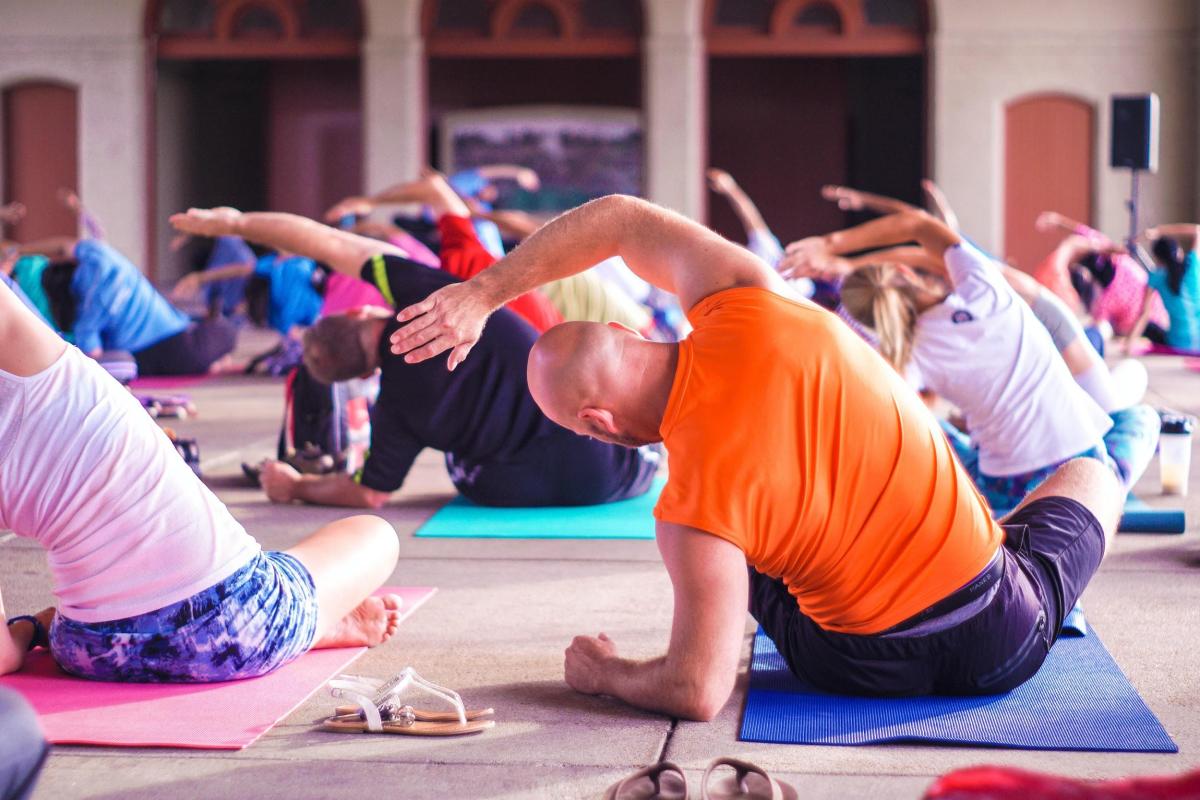
- Yoga and Pilates are excellent for improving flexibility, balance, and core strength.
Incorporating 10–15 minutes of stretching daily can significantly reduce the risk of strains and sprains, especially for active teens involved in sports.
Designing a Weekly Exercise Routine for Teenagers
Creating a sustainable exercise routine for teenagers means balancing structure with flexibility. A rigid plan can lead to burnout, while no plan at all results in inconsistency. The ideal weekly schedule combines variety, progression, and rest.
Sample 7-Day Workout Plan
Here’s a realistic, balanced weekly exercise routine for teenagers that promotes fitness without overwhelming school or social life:
- Monday: Cardio (30 min run or bike ride) + core workout (planks, leg raises)
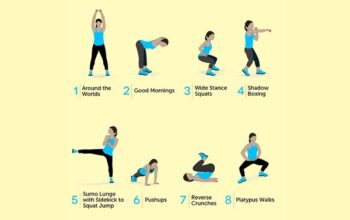
- Tuesday: Strength training (bodyweight circuit: push-ups, squats, lunges, dips)
- Wednesday: Active recovery (30 min walk, light stretching, or yoga)
- Thursday: Cardio interval training (sprint intervals or dance workout)
- Friday: Strength training (resistance bands or light weights: rows, presses, deadlifts)
- Saturday: Fun activity (soccer, swimming, hiking, or skateboarding)
- Sunday: Rest or gentle stretching
This routine ensures all fitness components are covered while allowing room for enjoyment and recovery. Adjust based on personal goals—whether it’s building muscle, improving endurance, or just staying active.
Customizing the Routine for Different Goals
Not every teenager has the same fitness goal. Some may want to excel in sports, others may focus on weight management, and some simply want to feel better. Tailoring the exercise routine for teenagers to individual needs increases motivation and long-term adherence.
- Sports Performance: Emphasize sport-specific drills, agility training, and explosive strength.
- Weight Management: Prioritize consistent cardio and full-body strength circuits with shorter rest periods.
- Mental Wellness: Focus on rhythmic, meditative activities like walking, swimming, or yoga.
Using a fitness journal or app can help track progress and adjust the routine as goals evolve.
exercise routine for teenagers – Exercise routine for teenagers menjadi aspek penting yang dibahas di sini.
Overcoming Common Barriers to Exercise for Teenagers
Despite knowing the benefits, many teenagers struggle to maintain an exercise routine for teenagers. Common obstacles include lack of time, low motivation, social anxiety, or fear of judgment. Addressing these barriers head-on is key to building lasting habits.
Time Management and Scheduling
School, homework, extracurriculars, and social life can make it seem impossible to fit in exercise. However, even 20–30 minutes of movement can be effective.
- Break workouts into shorter sessions (e.g., 10 minutes in the morning, 15 at night).
- Use active transportation—walk or bike to school when possible.
- Combine exercise with social time—work out with a friend or join a club.
Planning workouts like any other appointment increases the likelihood of follow-through.
Motivation and Mindset
Motivation often fluctuates, especially during adolescence. Relying solely on willpower is unsustainable. Instead, focus on building identity: “I am someone who moves my body regularly.”
- Set small, achievable goals (e.g., “Do 10 push-ups every day for a week”)
- Celebrate progress, not perfection.
- Use motivational tools like playlists, fitness challenges, or reward systems.
“Motivation follows action—not the other way around,” says behavioral psychologist Dr. Elena Torres.
Social and Emotional Challenges
Many teens feel self-conscious about working out, especially in gyms or public spaces. This is especially true for those who are overweight, new to fitness, or have body image concerns.
- Start at home with online videos or apps designed for teens.
- Choose private or inclusive environments like school fitness centers or youth programs.
- Focus on how exercise makes you feel, not just how it changes your appearance.
Creating a safe, judgment-free space is essential for long-term engagement.
Safety Tips for Teenage Exercise
Safety should never be compromised in an exercise routine for teenagers. While physical activity is beneficial, improper techniques or overtraining can lead to injuries that derail progress.
Proper Warm-Up and Cool-Down
Skipping warm-ups and cool-downs is a common mistake. A proper warm-up increases blood flow, loosens joints, and prepares the nervous system for movement.
exercise routine for teenagers – Exercise routine for teenagers menjadi aspek penting yang dibahas di sini.
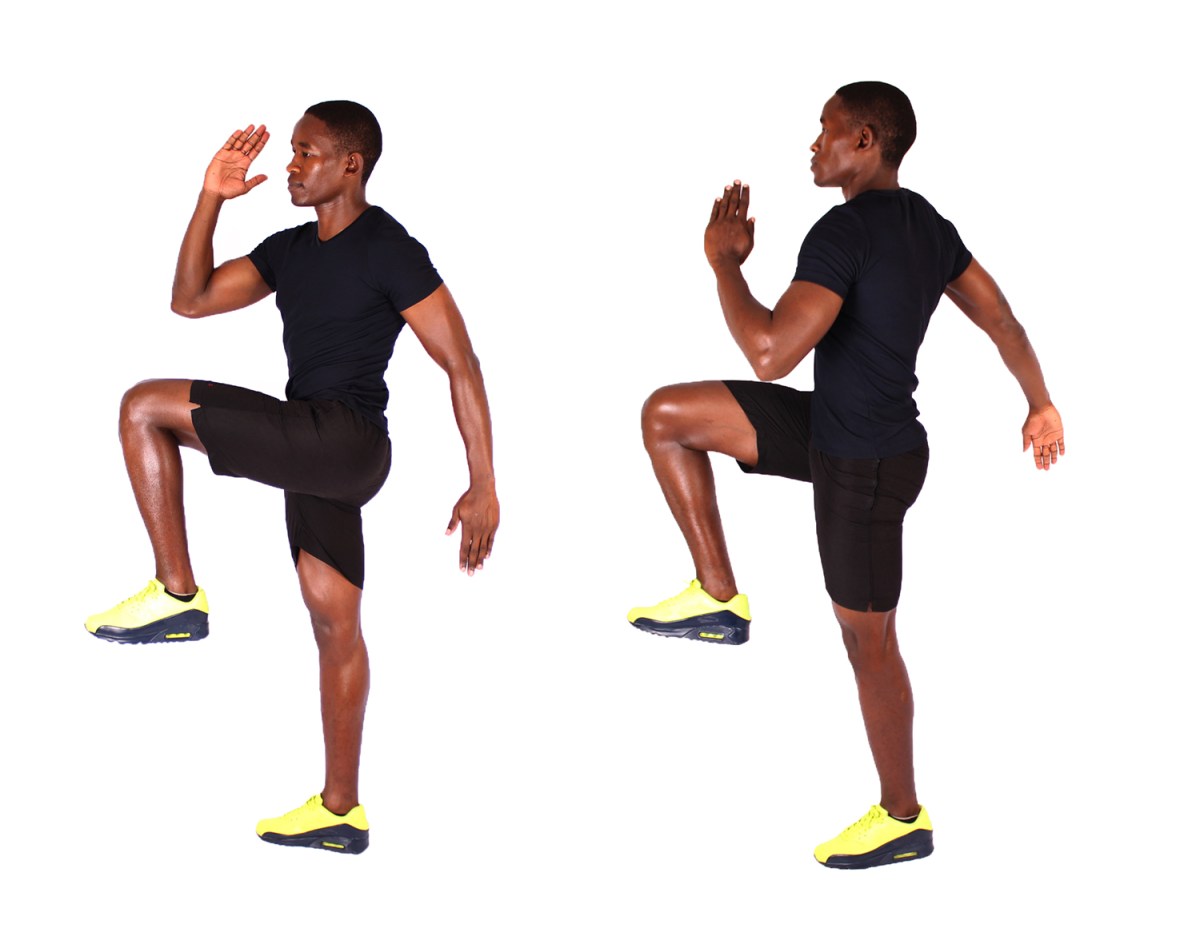
- Warm-up: 5–10 minutes of light cardio (jogging, jumping jacks) + dynamic stretches (arm circles, leg swings).
- Cool-down: 5–10 minutes of walking + static stretching (hamstring stretch, shoulder stretch).
- Never stretch cold muscles—always warm up first.
These simple steps can reduce injury risk by up to 30%, according to research published in the British Journal of Sports Medicine.
Avoiding Overtraining
Teenagers may push too hard, especially if they’re training for sports or trying to lose weight quickly. Overtraining leads to fatigue, decreased performance, and increased injury risk.
- Signs of overtraining include persistent soreness, irritability, insomnia, and declining grades.
- Ensure at least one full rest day per week.
- Listen to your body—pain is a signal, not a challenge.
Balancing intensity with recovery is crucial for sustainable progress.
Hydration and Nutrition Support
Exercise increases the body’s demand for water and nutrients. Dehydration and poor nutrition can impair performance and recovery.
- Drink water before, during, and after workouts.
- Eat balanced meals with protein, complex carbs, and healthy fats.
- Avoid energy drinks and sugary sports beverages—they can cause energy crashes and long-term health issues.
Teens who fuel properly recover faster and perform better.
The Role of Parents and Schools in Supporting Teen Fitness
An effective exercise routine for teenagers doesn’t happen in isolation. Support from parents, schools, and communities plays a vital role in encouraging healthy habits.
How Parents Can Help
Parents don’t need to be fitness experts, but they can create an environment that supports activity.
- Be a role model—exercise together as a family.
- Provide access to equipment or memberships (e.g., gym passes, sports gear).
- Encourage, don’t pressure—focus on effort, not results.
Positive reinforcement goes a long way in building confidence and consistency.
exercise routine for teenagers – Exercise routine for teenagers menjadi aspek penting yang dibahas di sini.
School-Based Physical Activity Programs
Schools are uniquely positioned to promote physical activity. However, many schools have reduced PE hours due to academic pressures.
- Advocate for daily physical education classes.
- Support after-school sports, dance clubs, or fitness challenges.
- Integrate movement into the school day (e.g., standing desks, stretch breaks).
According to the CDC’s School Health Guidelines, students who are physically active tend to have better academic performance, attendance, and classroom behavior.
Community Resources and Programs
Local parks, recreation centers, and youth organizations offer affordable or free fitness opportunities.
- Look for teen-focused programs like martial arts, climbing gyms, or dance classes.
- Join community sports leagues or volunteer for active events (e.g., charity runs).
- Use public facilities like trails, pools, or basketball courts.
These resources make fitness accessible and socially engaging.
Tracking Progress and Staying Consistent
Consistency is the true key to success in any exercise routine for teenagers. Progress isn’t always visible in the mirror—it shows up in energy levels, mood, and performance.
Using Fitness Trackers and Apps
Technology can be a powerful ally in staying on track. Fitness apps and wearable devices help monitor steps, heart rate, and workout duration.
- Popular apps include MyFitnessPal, Nike Training Club, and FitOn.
- Wearables like Fitbit or Apple Watch provide real-time feedback.
- Set reminders and weekly goals to stay accountable.
These tools make fitness more interactive and measurable.
Setting SMART Goals
Vague goals like “get fit” are hard to achieve. Instead, use the SMART framework:
exercise routine for teenagers – Exercise routine for teenagers menjadi aspek penting yang dibahas di sini.
- Specific: “Do 20 push-ups without stopping.”
- Measurable: “Run a mile in under 10 minutes.”
- Achievable: Set realistic targets based on current fitness.
- Relevant: Align goals with personal interests (e.g., dance, sports).
- Time-bound: “Achieve this in 6 weeks.”
SMART goals increase focus and motivation.
The Power of Habit Stacking
Habit stacking means linking a new habit to an existing one. For example: “After I brush my teeth, I’ll do 5 minutes of stretching.”
- Reduces reliance on motivation.
- Makes exercise a natural part of the day.
- Increases long-term adherence.
Over time, these small actions build into a powerful routine.
How much exercise should a teenager get daily?
The CDC recommends that teenagers get at least 60 minutes of moderate to vigorous physical activity every day, including aerobic exercise, muscle-strengthening, and bone-strengthening activities at least three times a week.
Is weightlifting safe for teenagers?
Yes, weightlifting is safe for teenagers when done with proper supervision, correct form, and appropriate weights. It can improve strength, posture, and athletic performance without stunting growth, as once falsely believed.
What if a teenager hates traditional exercise?
exercise routine for teenagers – Exercise routine for teenagers menjadi aspek penting yang dibahas di sini.
That’s completely normal. The key is finding enjoyable activities—dancing, skateboarding, hiking, or even active video games (like VR fitness). The goal is movement, not misery.
Can exercise improve academic performance?
Yes. Studies show that regular physical activity improves concentration, memory, and classroom behavior. Exercise increases blood flow to the brain and stimulates the growth of new neurons.
How can teens stay motivated to exercise?
Focus on how exercise makes you feel, track small wins, work out with friends, set fun challenges, and celebrate progress. Motivation grows when you see results and enjoy the process.
Building an effective exercise routine for teenagers is about more than just physical health—it’s about empowering young people to feel strong, confident, and in control of their well-being. By combining cardio, strength, flexibility, and rest, teens can create a balanced, sustainable lifestyle. With support from parents, schools, and communities, and by overcoming common barriers with smart strategies, teenagers can turn exercise into a lifelong habit. The journey starts with one step, one stretch, one push-up—and grows into a foundation for a healthier, happier future.
exercise routine for teenagers – Exercise routine for teenagers menjadi aspek penting yang dibahas di sini.
Further Reading: