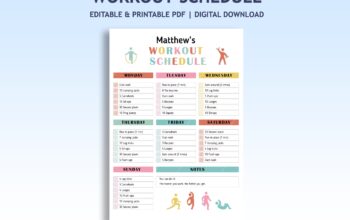


Stuck at home for online school? Don’t let your fitness slide. Discover 5 powerful, easy-to-do fitness activities during online school that keep kids and teens active, focused, and energized—right from their living rooms.
Why Fitness Activities During Online School Are Essential

With the shift to remote learning, students spend more time sitting and less time moving. This sedentary lifestyle can negatively impact both physical health and mental well-being. Incorporating fitness activities during online school isn’t just about burning calories—it’s about boosting concentration, reducing stress, and improving overall academic performance.
The Hidden Risks of a Sedentary Online Learning Lifestyle
Long hours in front of a screen can lead to poor posture, weight gain, and decreased cardiovascular health. According to the World Health Organization, children and adolescents need at least 60 minutes of moderate to vigorous physical activity daily. Yet, many fall short—especially during online school.
- Increased risk of obesity and metabolic disorders
- Higher levels of anxiety and depression
- Reduced attention span and learning retention
How Movement Enhances Cognitive Function
Physical activity increases blood flow to the brain, which enhances memory, focus, and problem-solving skills. A study published in PLOS ONE found that students who engaged in physical activity before class scored higher on attention and reading comprehension tests.
“Exercise is medicine for the brain as much as it is for the body.” — Dr. John Ratey, Harvard Medical School
5 Powerful Fitness Activities During Online School
Integrating fitness into the school day doesn’t require a gym or expensive equipment. These five powerful fitness activities during online school are designed to be quick, fun, and effective—even during short breaks between classes.
1. Desk-Based Stretches and Mobility Drills
Even while seated, students can perform simple stretches to relieve muscle tension and improve circulation. These can be done during a 5-minute break or while listening to a lecture.
- Neck rolls and shoulder shrugs to release tension
- Seated spinal twists to improve posture
- Ankle circles and wrist extensions to prevent stiffness
Encourage students to set a timer every 30 minutes to stand up and stretch. The CDC recommends breaking up long periods of sitting to maintain cardiovascular health.
2. Mini Home Workouts Between Classes
Use the 10-minute gaps between online classes to squeeze in a quick workout. These short bursts of activity can boost energy and mental clarity.
- 20 jumping jacks
- 15 bodyweight squats
- 10 push-ups (modified if needed)
- 30-second plank hold
Repeat this circuit 2–3 times for a full 5–7 minute energizing session. No equipment needed—just motivation!
3. Dance Breaks to Favorite Songs
Turn a 5-minute break into a dance party. Music stimulates dopamine release, improving mood and motivation. Let students pick their favorite upbeat songs and dance freely.
- Choose high-energy tracks (120+ BPM)
- Encourage freestyle or follow-along dance videos on YouTube
- Make it a family or sibling challenge to increase engagement
Platforms like Cosmic Kids offer fun dance and movement videos perfect for younger students.
4. Yoga and Mindfulness Sessions
Yoga combines physical movement with mental focus, making it ideal for students overwhelmed by online learning. Even 10 minutes of yoga can reduce anxiety and improve breathing.
- Child’s pose for relaxation
- Downward dog for stretching hamstrings and back
- Tree pose to improve balance and concentration
Apps like Headspace for Kids offer guided yoga and mindfulness exercises tailored for school-aged children.
5. Active Learning Games and Challenges
Turn fitness into a game. Active learning combines physical movement with academic concepts, making it a win-win for parents and educators.
- Math hopscotch: Solve equations by jumping to the correct answer
- Spelling jump rope: Say each letter while jumping
- Science scavenger hunt: Find items that start with specific letters or have certain textures
These fitness activities during online school not only promote movement but also reinforce learning in a dynamic way.
How to Schedule Fitness Activities During Online School
Without a structured plan, fitness can easily be forgotten. The key is to integrate movement into the daily routine just like math or reading time.
Create a Movement-Friendly Daily Schedule
Use a visual timetable that includes designated movement breaks. For example:
- 8:00–9:00 AM: Math class
- 9:00–9:10 AM: Dance break or stretching
- 9:10–10:10 AM: Science lesson
- 10:10–10:20 AM: Mini workout circuit
- 10:20–11:20 AM: Reading time
- 11:20–11:30 AM: Yoga or mindfulness
This rhythm mimics the natural breaks students get in traditional schools, like recess and PE.
Use Timers and Reminders
Set phone or smartwatch alarms to prompt movement every 30–60 minutes. Tools like Pomofocus use the Pomodoro technique (25 minutes work, 5 minutes break) and can be customized for student schedules.
“Movement is not a distraction from learning—it’s a catalyst.” — Dr. Marcia Tate, Author of ‘Worksheets Don’t Grow Dendrites’
Overcoming Common Barriers to Fitness During Online School
Many parents and students face obstacles when trying to stay active at home. Identifying these challenges and finding solutions is crucial for long-term success.
Lack of Space and Equipment
Not every home has a backyard or gym equipment. But fitness activities during online school don’t require much space or gear.
- Use a small corner of the living room for stretching
- Replace dumbbells with water bottles or backpacks
- Use stairs for step-ups or cardio drills
Creativity is key—turn everyday items into fitness tools.
Low Motivation and Screen Fatigue
After hours of online classes, the last thing a student wants is more screen time—even for exercise videos. Combat this by making movement fun and social.
- Host a family dance-off
- Challenge siblings to a plank contest
- Use non-screen activities like jump rope or shadow boxing
Focus on enjoyment, not intensity.
Time Constraints and Academic Pressure
Parents often feel that every minute must be spent on academics. However, research shows that short breaks improve focus and productivity.
A study from the American Psychological Association found that students who took regular breaks performed better on tasks requiring sustained attention.
“Taking a break isn’t losing time—it’s investing in better performance.” — APA Research Team
Fitness Activities During Online School for Different Age Groups
What works for a 6-year-old won’t necessarily engage a 15-year-old. Tailor fitness activities during online school to the child’s developmental stage.
Young Children (Ages 5–9)
Young kids thrive on play and imagination. Turn exercise into a story or adventure.
- Animal walks: Bear crawls, frog jumps, crab walks
- Obstacle courses using pillows and chairs
- Movement-based songs like ‘Head, Shoulders, Knees, and Toes’
Keep sessions short (5–10 minutes) and high-energy.
Tweens (Ages 10–13)
This age group enjoys structure and challenge. Introduce fitness goals and tracking.
- Set daily step goals using a pedometer or phone app
- Create a workout bingo card with different exercises
- Try beginner HIIT (High-Intensity Interval Training) videos on YouTube
Apps like Nike Training Club offer free, age-appropriate workouts.
Teens (Ages 14–18)
Teens value independence and social connection. Offer choices and opportunities for peer interaction.
fitness activities during online school – Fitness activities during online school menjadi aspek penting yang dibahas di sini.
- Virtual workout challenges with friends
- Strength training with bodyweight or resistance bands
- Yoga or meditation for stress relief during exam season
Encourage them to lead a family workout session—this builds responsibility and confidence.
How Parents and Teachers Can Support Active Learning
Creating a culture of movement requires collaboration between parents, educators, and students.
Parental Involvement and Role Modeling
Kids are more likely to stay active if they see adults doing the same. Parents don’t need to run marathons—just move with their kids.
- Do a 5-minute stretch together before lunch
- Take a post-dinner walk as a family
- Join in on dance breaks or yoga sessions
Modeling healthy habits is one of the most powerful tools parents have.
Teacher-Led Movement Breaks in Virtual Classrooms
Teachers can integrate short fitness activities during online school directly into their lessons.
- Start class with a 2-minute stretch
- Use movement to teach concepts (e.g., act out historical events)
- Assign ‘active homework’ like 10 minutes of jumping jacks
Schools like those in Finland incorporate 15-minute outdoor breaks every hour—proving that movement and learning go hand in hand.
School Policies and Virtual PE Programs
Some schools now offer virtual PE classes or wellness check-ins. Advocate for structured physical education even in remote settings.
- Push for mandatory movement breaks in the school schedule
- Support hybrid PE models (online lessons + at-home activities)
- Promote school-wide fitness challenges with rewards
Organizations like SHAPE America provide guidelines for effective virtual physical education.
Measuring the Impact of Fitness Activities During Online School
How do you know if these efforts are working? Track both physical and mental outcomes over time.
Physical Health Indicators
Monitor changes in energy levels, posture, and physical endurance.
- Can the child climb stairs without getting winded?
- Has screen-related back or neck pain decreased?
- Are they more willing to play outside or walk to school?
These are tangible signs of improved fitness.
Mental and Emotional Well-Being
Fitness doesn’t just build strong bodies—it builds strong minds.
- Are mood swings less frequent?
- Is the child more focused during homework?
- Do they report feeling less anxious or stressed?
Keep a simple journal to track emotional changes alongside physical activity.
Academic Performance and Focus
Teachers and parents can observe improvements in attention span and task completion.
- Fewer distractions during online lessons
- Better retention of material
- Increased participation in class discussions
When the body moves, the brain follows.
Long-Term Benefits of Consistent Fitness During Remote Learning
Establishing healthy habits during online school can have lifelong benefits.
Building Lifelong Healthy Habits
Children who learn to value movement early are more likely to stay active as adults. The habits formed during remote learning can become permanent lifestyle choices.
“We are what we repeatedly do. Excellence, then, is not an act, but a habit.” — Aristotle
Improved Resilience and Stress Management
Regular physical activity teaches kids how to manage stress, regulate emotions, and bounce back from challenges—skills that are crucial in today’s fast-paced world.
When families move together, they connect more deeply. Shared fitness activities during online school create lasting memories and strengthen relationships.
What are the best fitness activities during online school for young kids?
The best fitness activities during online school for young kids include animal walks, dance parties, obstacle courses, and movement-based songs. These activities are playful, require minimal space, and keep children engaged while promoting motor development.
How often should students do fitness activities during online school?
Students should engage in fitness activities during online school at least every 30–60 minutes for 5–10 minutes. This aligns with the CDC’s recommendation to break up prolonged sitting and supports sustained focus and energy throughout the day.
Can fitness improve academic performance during remote learning?
Yes, fitness can significantly improve academic performance during remote learning. Physical activity increases blood flow to the brain, enhances concentration, reduces stress, and improves memory retention—leading to better learning outcomes.
Do schools offer virtual PE classes?
Many schools now offer virtual PE classes or wellness programs as part of remote learning. These may include live workout sessions, fitness challenges, or at-home activity logs. Parents should check with their school district for available resources.
What if we don’t have space or equipment for exercise?
Lack of space or equipment isn’t a barrier. Use bodyweight exercises, stairs, water bottles as weights, or small indoor games. Even stretching or marching in place counts as valuable movement.
Integrating fitness activities during online school is not just a temporary fix—it’s a vital investment in children’s health, focus, and happiness. From desk stretches to dance breaks and yoga sessions, small movements add up to big results. By scheduling regular activity, overcoming common barriers, and tailoring exercises to age groups, families and educators can create a dynamic, healthy learning environment. The benefits go beyond physical health, improving mental well-being and academic success. Start today—your child’s future self will thank you.
fitness activities during online school – Fitness activities during online school menjadi aspek penting yang dibahas di sini.
Further Reading: