
Staying fit as a student doesn’t require a gym membership or hours of free time. With the right home fitness routine for students, you can boost energy, improve focus, and build lifelong healthy habits—all from your dorm room or apartment.
Why a Home Fitness Routine for Students Matters
College and university life often comes with packed schedules, tight budgets, and limited space. That’s why a home fitness routine for students isn’t just convenient—it’s essential. Physical activity directly impacts mental clarity, stress management, and academic performance.
Physical Health Benefits
Regular exercise strengthens the cardiovascular system, improves immunity, and helps maintain a healthy weight. For students living in close quarters like dorms, staying physically active reduces the risk of illness and boosts stamina for long study sessions.
- Improved heart health and circulation
- Better sleep quality and recovery
- Increased energy levels throughout the day
Mental and Cognitive Advantages
Exercise increases blood flow to the brain, which enhances memory, concentration, and problem-solving skills. According to research from the Harvard Medical School, even moderate physical activity can lead to structural changes in the brain associated with sharper cognition.
- Reduced symptoms of anxiety and depression
- Enhanced focus during lectures and exams
- Greater emotional resilience under pressure
“Movement is a medicine for creating change in a person’s physical, emotional, and mental states.” — Carol Welch
Designing Your Ideal Home Fitness Routine for Students
Creating a sustainable home fitness routine for students starts with understanding your environment, schedule, and goals. The best routines are simple, repeatable, and adaptable to small spaces and irregular timetables.
Assess Your Space and Equipment
You don’t need a home gym. Most student accommodations have enough room for bodyweight exercises. Identify a clear area—under 50 square feet is often sufficient. Use a yoga mat, towel, or carpeted floor for comfort and safety.
- Utilize walls for wall sits and push-ups
- Use sturdy furniture for step-ups or tricep dips
- Invest in minimal equipment like resistance bands or a jump rope
Set Realistic Fitness Goals
Start with achievable targets. Instead of aiming for six-day workouts, begin with three 20-minute sessions per week. Track progress using a journal or app. Goals could include:
- Complete 3 sets of 10 push-ups without stopping
- Hold a plank for 60 seconds
- Walk or stretch daily for 15 minutes
Essential Components of a Home Fitness Routine for Students
A well-rounded home fitness routine for students should include four key elements: warm-up, strength training, cardio, and cool-down. Skipping any component reduces effectiveness and increases injury risk.
Warm-Up: Prepare Your Body
Never skip the warm-up. It increases heart rate gradually, improves joint mobility, and primes muscles for activity. Spend 5–7 minutes on dynamic movements.
- Arm circles (30 seconds forward, 30 seconds backward)
- Leg swings (10 per leg)
- Jumping jacks (1 minute)
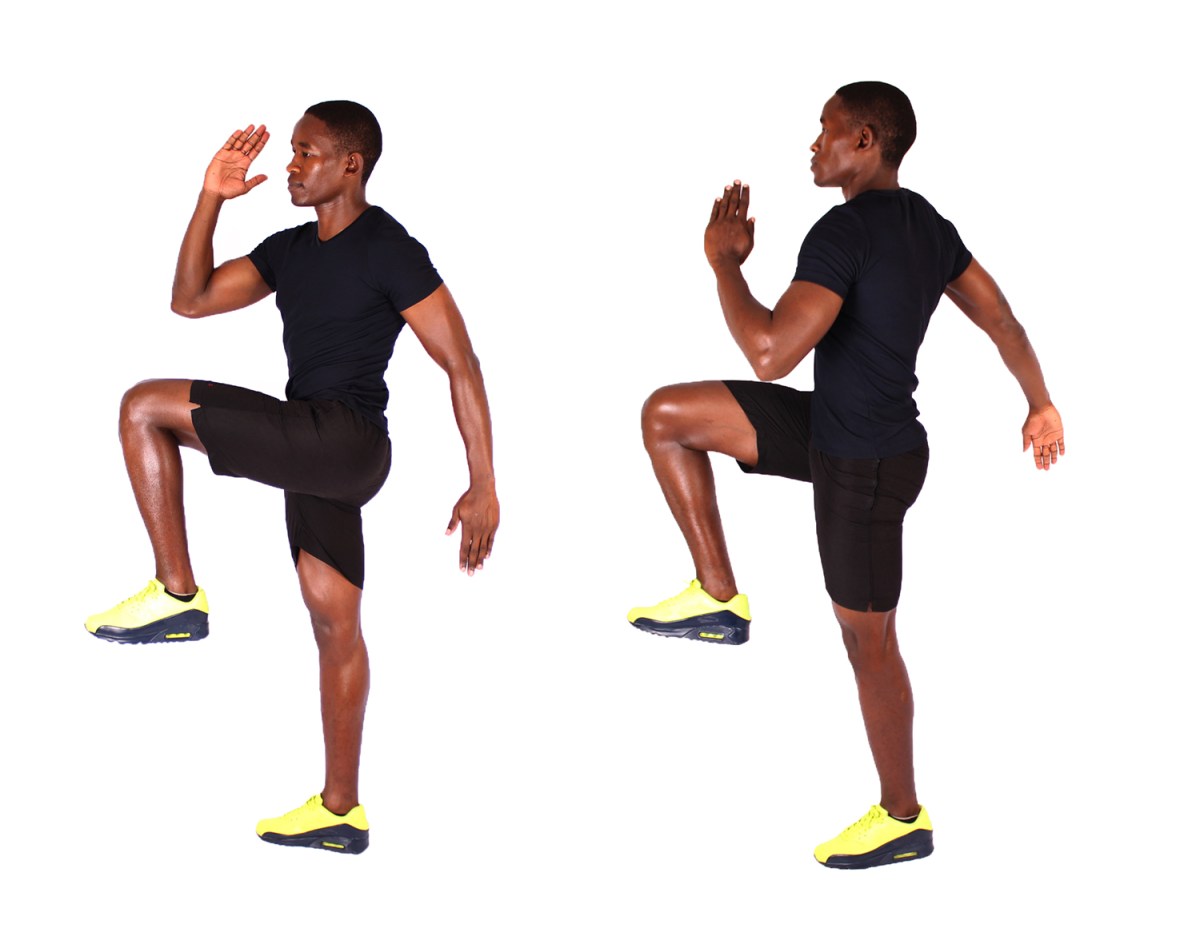
- High knees (30 seconds)
Strength Training Without Weights
Bodyweight exercises are highly effective for building strength and endurance. They require no equipment and can be done anywhere. A sample circuit includes:
- Push-ups (3 sets of 8–12 reps)
- Squats (3 sets of 15 reps)
- Plank (3 sets of 30–60 seconds)
- Glute bridges (3 sets of 12 reps)
- Tricep dips using a chair (3 sets of 10 reps)
For more advanced variations, check out ACE Fitness‘s guide on bodyweight progression.
Cardio in Small Spaces
You don’t need a treadmill. High-intensity interval training (HIIT) is perfect for students with limited time and space. A 10-minute HIIT session can burn more calories than 30 minutes of steady jogging.
- Jumping jacks – 30 seconds
- Mountain climbers – 30 seconds
- Butt kicks – 30 seconds
- Fast feet (running in place) – 30 seconds
- Rest – 30 seconds
Repeat this circuit 3–4 times for a full cardio blast.
7-Day Home Fitness Routine for Students (Beginner to Intermediate)
This weekly plan balances consistency and recovery. It’s designed for students who want to stay active without overwhelming their schedule. Each session lasts 20–30 minutes.
Day 1: Full-Body Activation
Focus on form and movement patterns. This is your foundation day.
- Warm-up: 5 minutes (arm circles, leg swings, jumping jacks)
- Squats – 3×12
- Push-ups (knees or standard) – 3×8
- Plank – 3×30 seconds
- Glute bridges – 3×15
- Cool-down: 5 minutes of stretching (hamstring, shoulder, hip flexors)
Day 2: Cardio & Coordination
Boost heart rate and improve agility.
- Warm-up: 5 minutes (high knees, butt kicks, jumping jacks)
- HIIT Circuit (repeat 4 rounds):
- Jumping jacks – 30 sec
- Mountain climbers – 30 sec
- Fast feet – 30 sec
- Rest – 30 sec
- Cool-down: 5 minutes of deep breathing and stretching
Day 3: Active Recovery & Mobility
Low-intensity movement helps recovery and reduces stiffness.
- 10-minute walk around campus or hallway
- Yoga flow (Cat-Cow, Child’s Pose, Downward Dog, Cobra) – 10 minutes
- Stretching routine focusing on hips, back, and shoulders – 10 minutes
Day 4: Upper Body Focus
Target arms, chest, shoulders, and back.
- Warm-up: 5 minutes
- Push-ups – 3×10
- Tricep dips – 3×12
- Superman holds – 3×20 seconds
- Plank to shoulder taps – 3×10 per side
- Cool-down: 5 minutes stretching (chest, triceps, lower back)
Day 5: Lower Body Power
Build leg strength and stability.
- Warm-up: 5 minutes
- Squats – 3×15
- Lunges (alternating legs) – 3×10 per leg
- Wall sit – 3×30 seconds
- Calf raises – 3×20
- Glute bridges – 3×15
- Cool-down: 5 minutes (quad, hamstring, calf stretches)
Day 6: Cardio Blast
Maximize calorie burn and endurance.
- Warm-up: 5 minutes
- HIIT Circuit (repeat 5 rounds):
- Jumping jacks – 40 sec
- Mountain climbers – 40 sec
- Butt kicks – 40 sec
- Rest – 20 sec
- Cool-down: 5 minutes of stretching and hydration
Day 7: Mind-Body Connection
Focus on mindfulness and flexibility.
- 10-minute meditation or deep breathing
- Full-body yoga sequence – 15 minutes
- Journaling: Reflect on how you felt physically and mentally this week
Overcoming Common Challenges in a Home Fitness Routine for Students
Even with the best intentions, students face obstacles. Recognizing these challenges is the first step to overcoming them.
Lack of Motivation
Motivation fades, but systems endure. Create accountability by:
- Pairing workouts with a habit you already do (e.g., after brushing teeth)
- Using a habit tracker app like Habitica or Streaks
- Working out with a roommate or friend via video call
Time Constraints
Use micro-workouts. Three 10-minute sessions are as effective as one 30-minute session. Schedule them like classes:
- Before breakfast: 10-minute stretch and mobility
- Between classes: 10-minute walk or stair climb
- Before bed: 10-minute core and breathing
Distractions and Space Limits
Minimize distractions by setting boundaries. Use noise-canceling headphones or play focus music. If space is tight, choose vertical movements like jumping jacks or isometric holds like planks.
- Use a closet or corner for your workout zone
- Fold equipment (like resistance bands) and store them in a drawer
- Set a timer to avoid overthinking and get started quickly
Nutrition Tips to Support Your Home Fitness Routine for Students
Fitness isn’t just about movement—it’s about fuel. Proper nutrition enhances energy, recovery, and focus.
Eat for Energy, Not Just Hunger
Choose complex carbs, lean proteins, and healthy fats. Avoid sugary snacks that cause energy crashes.
- Oatmeal with banana and peanut butter (great pre-workout)
- Grilled chicken with brown rice and veggies (post-workout meal)
- Greek yogurt with berries (high-protein snack)
Stay Hydrated
Dehydration leads to fatigue and poor concentration. Aim for at least 2 liters of water daily. Carry a reusable bottle and refill it regularly.
- Add lemon or cucumber for flavor
- Limit sugary drinks and excessive caffeine
- Monitor urine color—pale yellow indicates good hydration
Meal Prep on a Budget
Healthy eating doesn’t have to be expensive. Plan meals weekly and buy in bulk.
- Cook large batches of rice, beans, or lentils
- Buy frozen vegetables—they’re nutritious and last longer
- Use eggs, canned tuna, and tofu as affordable protein sources
Tracking Progress and Staying Consistent
Consistency beats intensity. The key to long-term success in a home fitness routine for students is tracking progress and celebrating small wins.
Use a Fitness Journal or App
Record workouts, mood, sleep, and energy levels. Apps like MyFitnessPal, Fitbit, or Google Fit can help visualize trends.
- Note how many push-ups you completed each week
- Track how long you held a plank
- Log how you felt after each session (energized, tired, focused)
Set Weekly Check-Ins
Every Sunday, review your week. Ask yourself:
- Did I complete my planned workouts?
- What challenges did I face?
- What can I improve next week?
This reflective practice builds self-awareness and accountability.
Reward Non-Scale Victories
Don’t just focus on weight. Celebrate improvements in stamina, mood, and confidence.
- You climbed stairs without getting winded
- You focused better during a lecture after a morning stretch
- You resisted junk food because you felt stronger
How do I start a home fitness routine for students if I’m a complete beginner?
Start with just 10–15 minutes a day of light activity like stretching, walking, or bodyweight squats. Focus on consistency, not intensity. Use free resources like YouTube channels (e.g., FitnessBlender or Yoga with Adriene) to follow guided routines. Gradually increase duration and difficulty as you build confidence.
Can I build muscle with a home fitness routine for students?
Absolutely. Bodyweight exercises like push-ups, squats, lunges, and planks can build significant strength and muscle when done with proper form and progressive overload. Add resistance bands or a backpack with books for extra challenge. Consistency and nutrition are key.
What equipment do I need for a home fitness routine for students?
Minimal equipment is needed. A yoga mat, resistance bands, and a sturdy chair are sufficient. Optional items include a jump rope, dumbbells, or a foam roller. Many effective workouts require no equipment at all.
How can I stay motivated to exercise at home?
Create a dedicated workout space, schedule workouts like appointments, and track your progress. Find a workout buddy, join online fitness challenges, or reward yourself for consistency. Remember, even 10 minutes counts.
Is a home fitness routine for students as effective as going to the gym?
Yes, when done consistently and with intention. Home workouts can be just as effective as gym sessions, especially for building strength, endurance, and flexibility. The convenience often leads to higher adherence, which is the most important factor for long-term success.
Building a home fitness routine for students is about more than physical health—it’s about creating a sustainable lifestyle that supports academic success and emotional well-being. By starting small, staying consistent, and focusing on progress over perfection, students can transform their energy, focus, and confidence. With the right mindset and a few simple tools, fitness becomes not just possible, but enjoyable—even during the busiest semesters.
home fitness routine for students – Home fitness routine for students menjadi aspek penting yang dibahas di sini.
Further Reading: