
Stuck indoors but still craving movement and fun? Discover 25 brilliant indoor PE activities ideas that keep kids active, engaged, and energized—no gym or playground required!
Why indoor PE activities ideas are essential for student development

Physical education isn’t just about outdoor sports or gym classes. When weather, space, or resources limit movement, indoor PE activities ideas become a vital tool for maintaining physical health, mental focus, and emotional well-being. Especially in schools with limited access to outdoor facilities or during winter months, structured indoor movement helps students burn energy, improve coordination, and stay mentally alert.
Boosting physical health through movement
Regular physical activity is crucial for children’s growth, helping to build strong bones, improve cardiovascular health, and maintain a healthy weight. According to the Centers for Disease Control and Prevention (CDC), students who are physically active tend to have better academic performance, classroom behavior, and concentration.
- Indoor PE promotes cardiovascular endurance through dynamic movement
- Helps develop fine and gross motor skills
- Encourages lifelong healthy habits from an early age
Enhancing mental and emotional wellness
Physical activity is strongly linked to improved mood and reduced anxiety in children. Indoor PE activities ideas that incorporate teamwork, rhythm, and play can reduce stress and boost self-esteem. Movement breaks during classroom hours have been shown to improve focus and reduce disruptive behavior.
“Movement is not just for the body—it’s fuel for the brain.” – Dr. John Ratey, author of ‘Spark: The Revolutionary New Science of Exercise and the Brain’
Top 25 indoor PE activities ideas for elementary students
Elementary school children thrive on fun, imaginative, and structured play. These indoor PE activities ideas are designed to be safe, easy to set up, and adaptable for various classroom sizes and skill levels. From dance-offs to obstacle courses, these games keep young learners moving while reinforcing coordination, listening skills, and cooperation.
Dance and movement challenges
Dance is one of the most accessible and joyful forms of indoor exercise. It requires no special equipment and can be tailored to any age group.
- Freeze Dance: Play music and have students dance freely. When the music stops, they must freeze in place. This improves listening skills and body control.
- Dance Relay: Divide students into teams. Each team member dances to a song, tags the next person, and continues. Use different music genres to keep it exciting.
- Follow the Leader Dance: One student leads a dance routine while others copy. Rotate leaders to encourage confidence and creativity.
Obstacle course creations
Using classroom furniture and soft materials, teachers can create safe obstacle courses that challenge balance, agility, and problem-solving.
- Set up tunnels using chairs and blankets
- Incorporate crawling under desks, hopping on cushions, or balancing along tape lines
- Add task stations like ‘do 5 jumping jacks’ or ‘spin 3 times’ before moving forward
For inspiration, check out Physical Education Update, a trusted resource for PE professionals.
indoor PE activities ideas for middle schoolers: Keeping teens engaged
As students grow older, their interest in traditional PE may wane—especially in confined indoor spaces. However, with the right approach, indoor PE activities ideas can still be exciting and socially engaging for middle schoolers. The key is to incorporate choice, competition, and relevance to their interests.
Team-based fitness challenges
Teens respond well to friendly competition and group dynamics. Design challenges that require collaboration and strategy.
- Fitness Circuit Stations: Create 5-6 stations with different exercises (e.g., wall sits, planks, step-ups on a sturdy platform). Students rotate in teams with timers.
- Minute to Win It Games: Adapt popular TV challenges like ‘Stack Attack’ (stacking cups) or ‘Noodling Around’ (moving spaghetti with mouth) into PE-friendly versions.
- Indoor Relay Races: Use soft balls, hoops, or bean bags for passing relays. Emphasize teamwork over speed.
Yoga and mindfulness integration
Many middle schoolers face stress from academics and social pressures. Incorporating yoga and mindfulness into indoor PE activities ideas helps promote mental resilience.
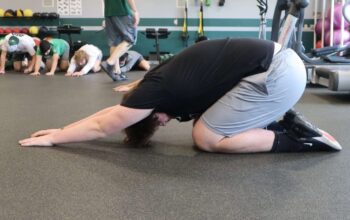
- Lead 10-minute yoga sessions with poses like ‘Tree Pose’ or ‘Child’s Pose’
- Use guided breathing exercises between physical activities
- Play calming music and dim lights for relaxation segments
“Mindful movement teaches students how to manage stress and build self-awareness.” – CASEL (Collaborative for Academic, Social, and Emotional Learning)
indoor PE activities ideas for high school students: Building fitness and leadership
High school students benefit from indoor PE activities ideas that promote fitness literacy, personal goal setting, and leadership. These activities should respect their growing independence while encouraging consistent physical engagement.
Student-led workout sessions
Empower students to design and lead their own 15-minute workout routines. This fosters responsibility, creativity, and deeper understanding of fitness principles.
- Assign small groups to research and teach exercises like burpees, mountain climbers, or squat jumps
- Encourage use of music and clear verbal cues
- Provide feedback using a simple rubric focusing on safety, clarity, and energy
Fitness tracking and goal setting
Introduce students to self-monitoring tools like heart rate checks, step counters (if available), or workout logs.
- Have students set weekly goals (e.g., ‘Do 50 push-ups in a week’)
- Use apps or paper charts to track progress
- Discuss the importance of consistency over intensity
For more advanced strategies, visit SHAPE America, the national organization for health and physical education.
indoor PE activities ideas for small spaces: Maximizing limited room
Not every school or home has a large gym. Many classrooms are compact, making movement challenging. However, with smart planning, even a small space can become a dynamic environment for physical activity.
Desk-friendly movement breaks
When students can’t leave their seats, incorporate seated or minimal-movement exercises that still get the blood flowing.
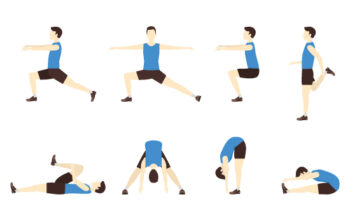
- Seated leg lifts, arm circles, and shoulder rolls
- Isometric exercises like ‘pushing hands together’ or ‘pressing back against chair’
- Neck stretches and seated twists for posture improvement
Wall-based and floor-marking games
Use walls and floor tape to create boundaries and targets for movement.
- ‘Wall Sit Challenge’ – see who can hold a wall sit the longest
- ‘Tape Hopscotch’ – create a hopscotch grid with colored tape
- ‘Target Toss’ – use soft balls and taped zones on the floor or wall
“Space limitations don’t have to limit movement—creativity does.” – Adapted from a PE teacher’s blog on Edutopia
indoor PE activities ideas using minimal equipment
Many schools operate on tight budgets. The best indoor PE activities ideas require little or no equipment, relying instead on bodyweight, imagination, and simple props.
Bodyweight exercises and circuits
These require zero equipment and can be scaled for all fitness levels.
- Animal walks (bear crawl, crab walk, frog jumps)
- Superman holds, plank variations, and glute bridges
- Circuit training: 30 seconds of each exercise with 15-second rests
DIY equipment from classroom supplies
Get creative with everyday items.
- Use rolled-up socks as bean bags
- Plastic bottles filled with rice as weights
- Chalk or tape for marking zones on safe indoor floors
For low-cost PE ideas, explore PE4Life, an organization dedicated to active learning environments.
indoor PE activities ideas for special education settings
Students with physical, cognitive, or emotional challenges require adapted indoor PE activities ideas that prioritize safety, inclusion, and sensory regulation. These activities should be flexible, predictable, and supportive.
Sensory-friendly movement stations
Create zones that cater to different sensory needs.
- Calming corner with yoga mats, soft lighting, and breathing exercises
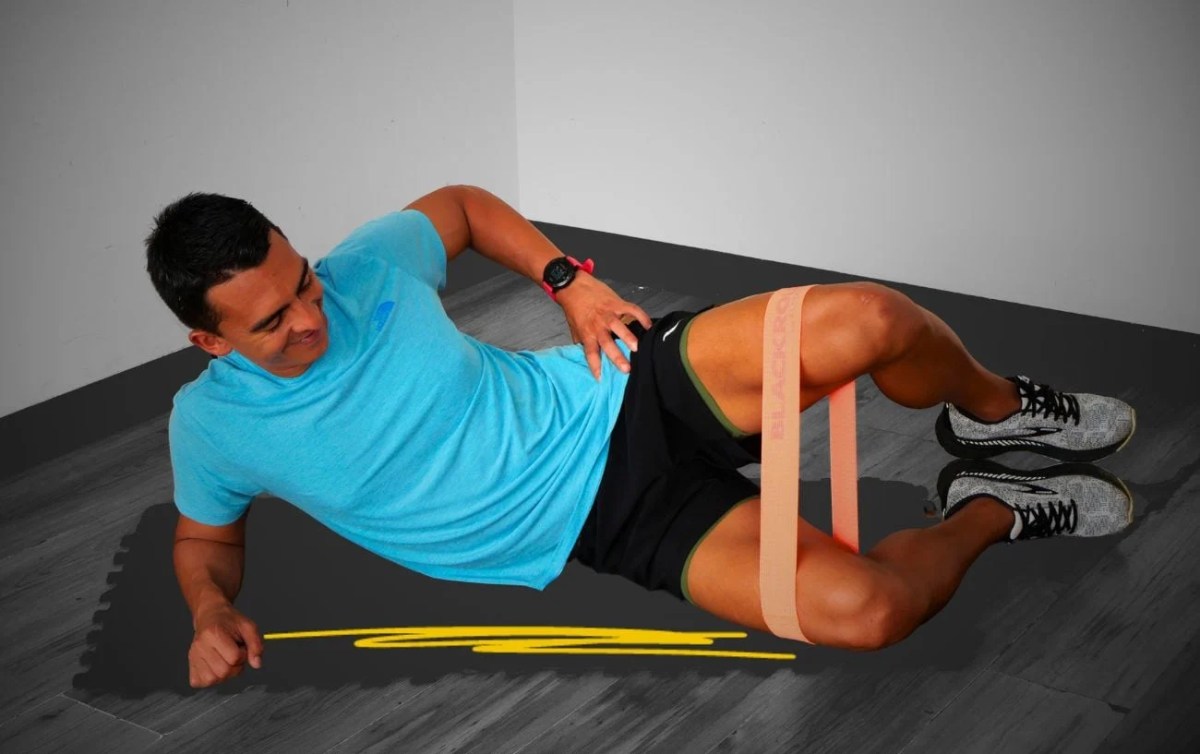
- Active zone with bouncy balls, hula hoops, and resistance bands
- Music and rhythm area with drums, shakers, and dance mirrors
Adapted games and inclusive rules
Modify traditional games to ensure all students can participate.
- Use larger, slower-moving balls or balloons
- Allow seated participation in throwing or catching games
- Use visual cues and step-by-step instructions
“Inclusion isn’t just a goal—it’s a practice built through thoughtful design.” – National Center on Health, Physical Activity and Disability (NCHPAD)
Technology-integrated indoor PE activities ideas
In the digital age, technology can enhance indoor PE rather than replace it. When used wisely, apps, videos, and interactive tools make movement more engaging and measurable.
Fitness apps and video guides
Leverage free online resources to guide structured workouts.
- Use YouTube channels like ‘GoNoodle’ or ‘Cosmic Kids Yoga’ for guided movement
- Try apps like ‘Sworkit Kids’ or ‘Just Dance Now’ for interactive dance and exercise
- Display QR codes in class for students to scan and access routines
Virtual PE challenges and leaderboards
Encourage friendly competition through digital tracking.
- Create a class leaderboard for ‘most steps in a week’ (using pedometers or phones)
- Host a ‘Virtual Fitness Week’ with daily challenges posted online
- Use Google Forms to log participation and achievements
Explore GoNoodle for research-backed, classroom-friendly movement videos.
Seasonal and themed indoor PE activities ideas
Themed activities increase excitement and help connect PE to broader curriculum topics like holidays, science, or literature.
Holiday-themed movement games
Align indoor PE with seasonal events to boost engagement.
- ‘Spooky Scavenger Hunt’ for Halloween (find hidden pumpkins under cones)
- ‘Winter Olympics’ with indoor events like ‘snowball’ (crumpled paper) toss and ‘ice skating’ on socks
- ‘Valentine’s Relay’ with heart-shaped targets and partner challenges
Curriculum-connected PE games
Integrate academic subjects into physical play.
- ‘Math Jump’ – solve a problem and jump to the correct answer taped on the floor
- ‘Alphabet Aerobics’ – perform an exercise for each letter (A = arm circles, B = bunny hops)
- ‘Story Walk’ – act out scenes from a book using movement and expression
“When PE connects to learning, movement becomes meaningful.” – Educational researcher Dr. Margaret Whitehead
What are the best indoor PE activities ideas for rainy days?
On rainy days, focus on structured, space-efficient games like freeze dance, indoor obstacle courses, or fitness circuits. Use music, timers, and team challenges to keep energy high and behavior positive. Websites like SHAPE America offer free lesson plans tailored for indoor use.
How can teachers manage noise during indoor PE activities?
To manage noise, set clear expectations, use visual cues (like hand signals), and incorporate quiet movement games like ‘ninja walks’ or ‘statue freeze.’ Coordinate with other classrooms and use rugs or mats to reduce echo and floor noise.
Are indoor PE activities effective for fitness development?
Yes, when well-designed, indoor PE activities can significantly contribute to cardiovascular health, muscular strength, and flexibility. Activities like circuit training, dance, and bodyweight exercises provide measurable fitness benefits, especially when done consistently.
Can indoor PE replace outdoor physical education?
While outdoor PE offers unique benefits like fresh air and larger spaces, indoor PE is a valuable complement—not a full replacement. However, high-quality indoor PE activities ideas can maintain fitness levels and engagement when outdoor options aren’t available.
What safety considerations should be made for indoor PE?
Safety is paramount. Ensure clear pathways, remove tripping hazards, use non-slip mats, and supervise all activities. Modify games for different abilities and enforce rules like ‘no running indoors’ unless in a safe, open area. Always conduct a quick risk assessment before starting.
Indoor PE activities ideas are more than just a backup plan—they’re a powerful tool for holistic student development. From boosting physical health to enhancing mental focus and social skills, these activities prove that movement doesn’t require a gym or playground. Whether you’re teaching elementary students or high schoolers, working with limited space or special needs, there’s an indoor PE idea that fits. By combining creativity, structure, and inclusivity, educators can turn any room into a vibrant space for active learning. So next time the weather turns or the schedule shifts, don’t cancel PE—reimagine it.
Further Reading: