
When the weather turns sour or outdoor space is limited, indoor PE becomes a game-changer. Discover 10 dynamic school PE activities indoor that keep students active, engaged, and learning—all within the walls of the classroom or gym.
Why School PE Activities Indoor Are Essential for Student Development
Physical education isn’t just about running laps or playing team sports. In modern education, school PE activities indoor play a vital role in supporting physical, cognitive, and emotional development. These activities ensure that students remain physically active regardless of weather, space, or seasonal limitations.
Supporting Physical Health in Confined Spaces
Indoor PE allows schools to maintain consistent physical activity levels even when outdoor play isn’t possible. With rising concerns about childhood obesity and sedentary lifestyles, structured indoor physical education helps students meet daily movement requirements. According to the Centers for Disease Control and Prevention (CDC), children should engage in at least 60 minutes of moderate to vigorous physical activity each day.
- Indoor PE helps meet daily physical activity guidelines.
- Reduces sedentary behavior during school hours.
- Promotes cardiovascular health and muscular endurance.
Enhancing Cognitive Function Through Movement
Research shows a strong link between physical activity and improved academic performance. Movement stimulates blood flow to the brain, enhancing concentration, memory, and information processing. School PE activities indoor that incorporate coordination, rhythm, and problem-solving—like dance or obstacle courses—can boost neural connectivity.
“Physical activity is not just beneficial for the body; it’s essential for the brain.” — Dr. John Ratey, Harvard Medical School
Simple activities such as ‘Simon Says’ with movement or ‘Math Relay’ games integrate learning with motion, making PE a cross-curricular tool.
Top 10 School PE Activities Indoor for All Age Groups
From energetic games for elementary students to strategic challenges for older learners, these school PE activities indoor are designed to be safe, inclusive, and fun. Each activity requires minimal equipment and can be adapted to various classroom or gym sizes.
1. Indoor Obstacle Course
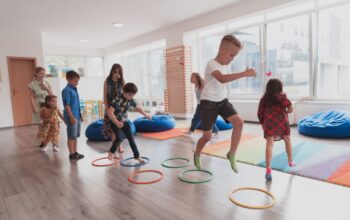
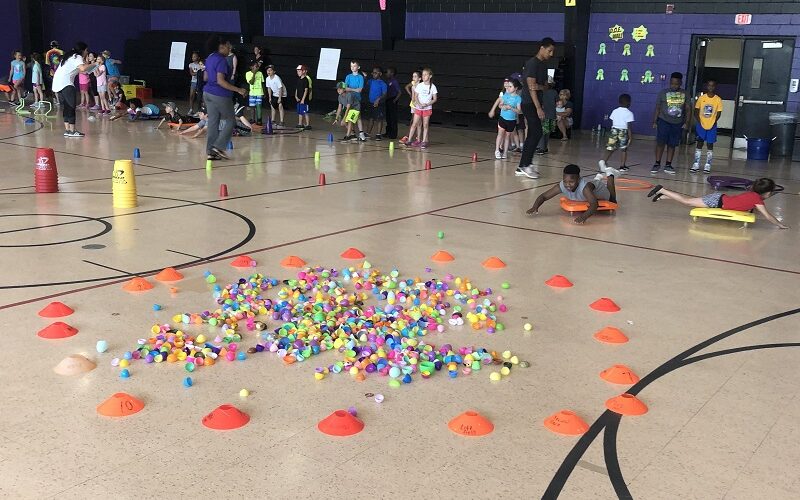
An obstacle course is one of the most versatile school PE activities indoor. It can be set up using chairs, cones, ropes, and mats to create a dynamic path that challenges balance, agility, and coordination.
- Use desks to weave through (slalom).
- Add a ‘log roll’ using rolled gym mats.
- Incorporate crawling under ropes or stepping on balance beams.
For younger students, include themed courses like ‘Jungle Adventure’ or ‘Space Mission’ to boost engagement. Older students can time themselves or compete in teams for added motivation.
2. Dance Fitness Challenges
Dance-based workouts like Zumba Kids or Just Dance videos are excellent school PE activities indoor that combine cardio with fun. These activities improve rhythm, coordination, and endurance while reducing perceived exertion through music and movement.
- Use YouTube channels like Cosmic Kids or GoNoodle for guided dance routines.
- Host weekly ‘Dance-Off’ competitions to encourage participation.
- Allow students to choreograph short routines in small groups.
Dance also supports emotional expression and confidence, making it ideal for social-emotional learning (SEL) integration.
3. Balloon Volleyball
Using a balloon instead of a ball makes this version of volleyball safe and accessible for indoor spaces. All you need is a string or ribbon as a ‘net’ and a large open area.
- Divide students into two teams.
- Players must keep the balloon in the air using only hands or heads.
- Limit touches per side to increase challenge.
This activity enhances hand-eye coordination, teamwork, and spatial awareness. It’s especially effective in classrooms with low ceilings or limited space.
4. Fitness Circuit Stations
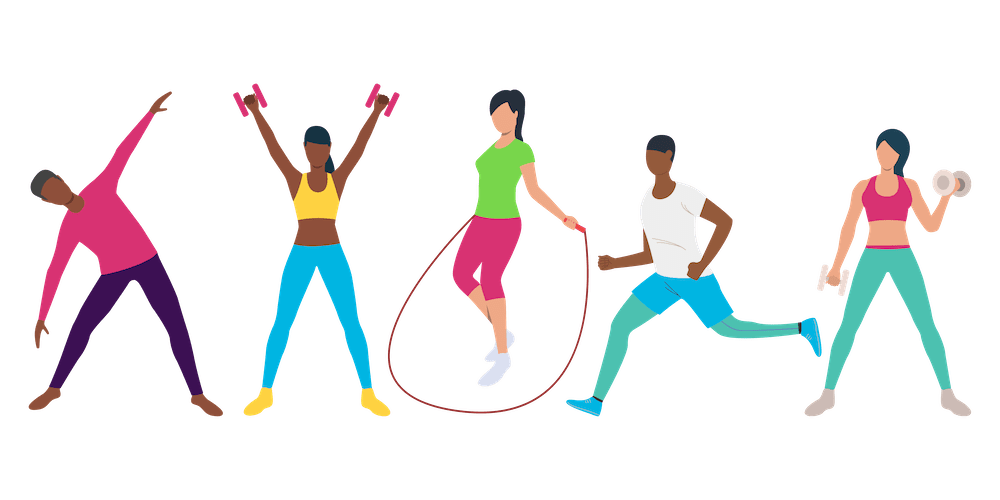
Circuit training is a powerful way to deliver full-body workouts in a structured format. Set up 5–8 stations around the room, each focusing on a different movement.
- Jumping jacks
- Wall sits
- Arm circles
- Step-ups on a low bench
- Crab walks
Students rotate every 30–60 seconds. Use a timer or music to keep the pace. This format allows for differentiation—students can modify intensity based on ability.
5. Yoga and Mindfulness Sessions
Yoga is one of the most valuable school PE activities indoor for promoting focus, flexibility, and emotional regulation. Short 10–15 minute sessions can be integrated between academic blocks to reset attention.
- Use animal-themed poses for younger children (e.g., ‘snake’, ‘elephant’, ‘frog’).
- Incorporate breathing exercises like ‘balloon breath’ or ‘flower and candle breath’.
- Play calming music or nature sounds to enhance the experience.
Resources like Kidding Around Yoga offer lesson plans tailored for classrooms.
6. Relay Races with a Twist
Traditional relays can be adapted for indoor use by modifying movements and space. These school PE activities indoor promote teamwork, speed, and coordination without requiring a large field.
- Sack races using pillowcases or trash bags.
- Wheelbarrow walks (with partner support).
- Crab relay races.
- Carry a beanbag on the head while walking.
To reduce chaos, use staggered starts or conduct relays in small groups.
7. Target Games: Bean Bag Toss & Bowling
Target-based games are excellent for developing fine and gross motor skills. They’re quiet, safe, and perfect for classrooms or multipurpose rooms.
- Set up numbered buckets for bean bag toss scoring.
- Use plastic bottles for indoor bowling.
- Create a ‘bullseye’ mat on the floor for accuracy challenges.
These games also introduce basic math concepts through scoring, making them cross-curricular.
8. Movement-Based Academic Games
Combine learning and exercise with games that require physical responses to academic prompts. These school PE activities indoor are ideal for classroom teachers looking to integrate movement into lessons.
- ‘Math Hopscotch’: Solve equations by jumping to the correct answer.
- ‘Spelling Stomp’: Spell words by stepping on letter cards.
- ‘Science Freeze Dance’: Dance until a science fact is called, then freeze and answer a question.
These activities keep students engaged and reinforce academic content through kinesthetic learning.
9. Parachute Play and Cooperative Challenges
Parachute activities foster teamwork, rhythm, and coordination. Even without a real parachute, large sheets or tarps can be used for group play.
- Make waves by lifting and lowering the fabric together.
- Roll a ball across the surface to keep it from falling.
- Play ‘mushroom’ by lifting the chute high and sitting underneath.
These games emphasize cooperation over competition, making them ideal for building classroom community.
10. Indoor Scavenger Hunts with Movement Tasks
Scavenger hunts get students moving while solving clues and completing physical challenges. Hide task cards around the room with instructions like ‘Do 10 jumping jacks’ or ‘Balance on one foot for 15 seconds’.
school PE activities indoor – School PE activities indoor menjadi aspek penting yang dibahas di sini.
- Use QR codes for digital clues (if tech is available).
- Incorporate subject-based riddles (math, spelling, science).
- Include rest stations to prevent overexertion.
This activity combines problem-solving, physical effort, and exploration—perfect for active learners.
Adapting School PE Activities Indoor for Different Age Groups
One size doesn’t fit all when it comes to physical education. School PE activities indoor must be tailored to the developmental stage, motor skills, and attention span of students.
Early Elementary (Grades K–2)
Young children thrive on imaginative play and simple movement patterns. Activities should be short, fun, and story-based.
- Use themes like ‘Pirate Adventure’ or ‘Superhero Training’.
- Focus on fundamental movements: hopping, skipping, balancing.
- Limit instructions to 1–2 steps at a time.
Games like ‘Freeze Dance’ or ‘Red Light, Green Light’ are perfect for this age group.
Upper Elementary (Grades 3–5)
Older children can handle more complex rules and teamwork. They enjoy competition and skill development.
- Introduce scorekeeping and strategy.
- Encourage leadership roles (e.g., team captains).
- Include activities that build endurance and coordination.
Obstacle courses, relay races, and cooperative games work well.
Middle and High School (Grades 6–12)
Teenagers benefit from activities that promote fitness, autonomy, and social connection. They may be self-conscious, so low-pressure, choice-based options are effective.
- Offer fitness stations where students choose their workout.
- Include dance, yoga, or strength circuits.
- Use technology like heart rate monitors or fitness apps.
Peer-led activities and fitness challenges can boost engagement.
Safety Guidelines for School PE Activities Indoor
Safety is paramount when conducting school PE activities indoor. Limited space and hard surfaces increase the risk of injury if proper precautions aren’t taken.
Clear the Space and Define Boundaries
Before starting any activity, ensure the area is free of tripping hazards and sharp edges. Move desks, chairs, and equipment to the sides. Use tape or cones to mark boundaries.
- Establish ‘safe zones’ for students who need a break.
- Prohibit running in confined spaces.
- Use non-slip mats for floor activities.
Use Appropriate Equipment
Choose soft, lightweight, and non-projectile equipment. Avoid balls that bounce unpredictably or could damage property.
- Use foam balls, bean bags, or balloons.
- Replace hard cones with soft markers.
- Ensure yoga mats are clean and properly spaced.
The Society of Health and Physical Educators (SHAPE America) provides guidelines for safe PE environments.
Supervise and Modify for Inclusion
Constant supervision ensures students follow rules and stay safe. Be ready to modify activities for students with disabilities or medical conditions.
- Offer alternative movements (e.g., seated versions).
- Pair students for peer support.
- Encourage effort over performance.
Inclusive PE fosters a positive environment for all learners.
Benefits of Consistent Indoor PE Programs
Regular school PE activities indoor do more than burn energy—they build lifelong habits and skills.
Improved Physical Fitness and Motor Skills
Consistent movement improves strength, flexibility, balance, and coordination. These foundational skills support participation in sports and daily activities.
- Enhances gross and fine motor development.
- Supports healthy growth and posture.
- Reduces risk of chronic diseases later in life.
Boosted Mental Health and Emotional Regulation
Physical activity releases endorphins, reducing stress and anxiety. Indoor PE provides a structured outlet for emotional expression and self-regulation.
- Reduces symptoms of ADHD and anxiety.
- Improves mood and self-esteem.
- Teaches coping strategies through mindfulness and breathing.
Stronger Classroom Behavior and Focus
Students who engage in regular PE often exhibit better behavior and concentration in academic settings. Movement breaks reset the brain and reduce fidgeting.
- Decreases disruptive behaviors.
- Increases on-task time after activity.
- Supports executive function skills like planning and impulse control.
How to Plan and Schedule School PE Activities Indoor
Effective planning ensures that indoor PE is not an afterthought but an integrated part of the school day.
Create a Rotating Activity Calendar
Develop a weekly or monthly schedule that rotates through different types of activities. This prevents boredom and ensures variety.
- Monday: Dance & Music
- Tuesday: Fitness Circuit
- Wednesday: Yoga & Mindfulness
- Thursday: Team Games
- Friday: Academic Movement Challenge
Share the calendar with teachers and students for anticipation and preparation.
Train Teachers and Staff
Not all educators feel confident leading PE. Provide professional development on safe, effective indoor activities.
- Host workshops on movement integration.
- Share resource kits with lesson plans and equipment lists.
- Encourage collaboration between PE and classroom teachers.
When staff are empowered, indoor PE becomes sustainable.
Leverage Technology and Digital Resources
Use apps, videos, and online platforms to enhance indoor PE. Tools like GoNoodle, YouTube fitness channels, and fitness trackers make activities more engaging.
- Use projectors or smartboards for guided workouts.
- Track progress with digital badges or leaderboards (non-competitive).
- Offer virtual PE options for hybrid learning models.
Technology bridges gaps in space, time, and expertise.
school PE activities indoor – School PE activities indoor menjadi aspek penting yang dibahas di sini.
Overcoming Common Challenges in Indoor PE
Despite its benefits, indoor PE faces obstacles like space limitations, noise concerns, and lack of equipment. Addressing these proactively ensures success.
Managing Limited Space
Even small classrooms can host movement activities. Use vertical space, stagger movements, and rotate stations.
- Conduct seated exercises if standing isn’t possible.
- Use ‘personal space bubbles’ to define zones.
- Break large groups into smaller rotations.
Micro-movements like arm circles or seated jumps still count as physical activity.
Reducing Noise and Disturbance
Indoor PE can be loud. Set expectations for voice levels and use quiet activities when needed.
- Use hand signals instead of shouting.
- Incorporate silent games like ‘Ninja Moves’ or ‘Statue Freeze’.
- Schedule high-energy activities when other classes are on break.
Communicate with neighboring classrooms to manage disruptions.
Securing Equipment and Budget Support
Many effective indoor PE activities require minimal or low-cost materials. Seek grants, donations, or DIY solutions.
- Create bean bags from socks and rice.
- Use pool noodles for balance beams.
- Apply for wellness grants from organizations like Rally.org.
Start small and scale up as support grows.
Integrating School PE Activities Indoor with Curriculum Goals
Physical education doesn’t exist in isolation. When aligned with academic standards, school PE activities indoor become powerful tools for holistic learning.
Connecting PE with Math and Science
Use movement to teach concepts like measurement, force, and energy. For example:
- Measure heart rate before and after exercise (science).
- Calculate scores or distances in games (math).
- Explore gravity and motion through ball games.
This integration reinforces learning through experiential methods.
Supporting Language Arts and Social Studies
Incorporate storytelling, role-play, and cultural games into PE.
- Act out historical events through movement.
- Create movement-based stories with beginning, middle, and end.
- Explore traditional dances from different countries.
This fosters cultural awareness and creative expression.
Promoting Social-Emotional Learning (SEL)
PE is a natural setting for teaching teamwork, empathy, and self-awareness.
- Use cooperative games that require trust and communication.
- Debrief after activities: ‘How did you feel?’, ‘How did you help your team?’
- Teach conflict resolution through group challenges.
SEL integration makes PE a cornerstone of character development.
What are the best school PE activities indoor for small classrooms?
For small spaces, focus on activities that require minimal movement, such as seated exercises, yoga, balloon volleyball, or desk-based fitness challenges. Use personal space boundaries and rotate small groups to maximize participation without overcrowding.
How can teachers incorporate PE into academic lessons?
Teachers can integrate movement into lessons through kinesthetic learning strategies like ‘Math Relay’, ‘Spelling Stomp’, or ‘Science Freeze Dance’. These activities reinforce academic content while keeping students physically active.
Are indoor PE activities effective for older students?
Yes, indoor PE can be highly effective for older students when it includes fitness circuits, dance, yoga, or student-led challenges. Offering choice and autonomy increases engagement and relevance for teens.
What equipment is essential for school PE activities indoor?
Essential items include soft balls, bean bags, cones, jump ropes, yoga mats, and music players. Many activities can be done with everyday items like chairs, tape, or paper, making indoor PE accessible even on tight budgets.
How often should schools conduct indoor PE sessions?
Schools should aim for at least 30 minutes of physical activity most days of the week. This can be achieved through daily movement breaks, scheduled PE classes, or classroom-based activity integration.
Indoor physical education is not a compromise—it’s a necessity. With thoughtful planning, creativity, and a focus on inclusivity, school PE activities indoor can deliver powerful benefits for students’ physical health, mental well-being, and academic success. From obstacle courses to mindfulness sessions, the possibilities are endless. By embracing movement within the classroom, educators can foster a culture of wellness that lasts a lifetime.
school PE activities indoor – School PE activities indoor menjadi aspek penting yang dibahas di sini.
Further Reading: