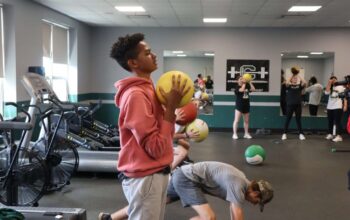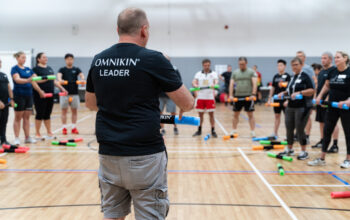

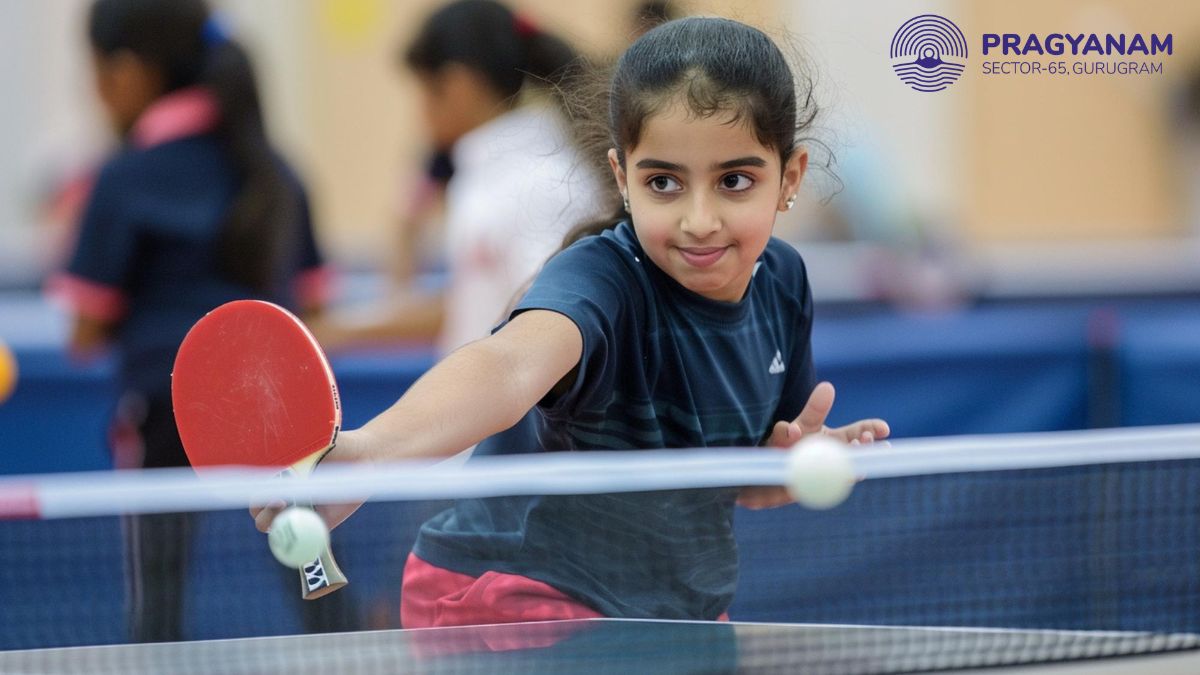
Being cooped up indoors doesn’t mean students have to stay inactive. Discover fun, effective, and accessible indoor physical activities for students that boost focus, health, and happiness—all without stepping outside.
Why Indoor Physical Activities for Students Matter

Physical movement is not just about fitness—it’s a cornerstone of mental clarity, emotional balance, and academic performance. For students, especially during colder months, exam seasons, or in urban environments with limited outdoor space, indoor physical activities for students provide a practical and essential outlet.
According to the Centers for Disease Control and Prevention (CDC), regular physical activity improves concentration, classroom behavior, and cognitive performance in students. Yet, many students fall short of the recommended 60 minutes of daily activity. Indoor options bridge this gap, making movement accessible regardless of weather or space constraints.
Physical Health Benefits
Engaging in indoor physical activities for students helps maintain cardiovascular health, build muscle strength, and improve coordination. These exercises can prevent childhood obesity and reduce the risk of chronic diseases later in life.
- Enhances heart and lung function
- Supports healthy bone and muscle development
- Improves balance and motor skills
Mental and Cognitive Advantages
Exercise increases blood flow to the brain, stimulating the release of endorphins and neurotransmitters like dopamine and serotonin. This leads to improved mood, reduced anxiety, and sharper focus.
“Children who are physically active tend to have better grades, school attendance, and cognitive performance.” — CDC
Indoor physical activities for students, even in short bursts, can reset the brain during long study sessions, helping students retain information more effectively.
Top 7 Indoor Physical Activities for Students
From solo workouts to group games, these indoor physical activities for students are designed to be fun, engaging, and easy to implement at home, in dorms, or classrooms. No fancy equipment needed—just motivation and space.
1. Dance Workouts
Dancing is one of the most enjoyable forms of exercise. It combines cardio, rhythm, and creativity, making it perfect for students of all ages.
- Try YouTube dance tutorials from channels like Blogilates or The Fitness Magpie
- Host a dance-off with friends or roommates
- Use apps like Just Dance Now for interactive gameplay
Dance not only burns calories but also boosts confidence and self-expression. A 30-minute dance session can burn up to 200–300 calories, depending on intensity.
2. Bodyweight Circuits
Bodyweight exercises require no equipment and can be done in small spaces. They’re ideal for building strength and endurance.
- Push-ups, squats, lunges, planks, and sit-ups
- Create a 5–10 minute circuit (e.g., 30 seconds per exercise, 1-minute rest between rounds)
- Use timers or apps like Nike Training Club for structure
These indoor physical activities for students are scalable—beginners can modify movements, while advanced students can increase reps or add jumps.
3. Yoga and Stretching
Yoga improves flexibility, reduces stress, and enhances mindfulness. It’s especially beneficial during high-pressure academic periods.
- Follow beginner-friendly routines on Yoga Journal or YouTube
- Focus on poses like downward dog, child’s pose, and warrior series
- Practice 10–15 minutes daily for maximum benefit
Studies show that yoga can reduce cortisol levels (the stress hormone) and improve sleep quality—critical for student well-being.
4. Indoor Obstacle Courses
Perfect for younger students or group settings, obstacle courses turn any room into a playground.
- Use pillows, chairs, tape lines, and toys to create challenges
- Include crawling, jumping, balancing, and climbing tasks
- Time each run to add a competitive edge
This activity enhances motor skills, problem-solving, and creativity. It’s also a great way to burn off excess energy after long hours of sitting.
5. Jump Rope Challenges
Jumping rope is a high-intensity cardio workout that improves coordination and endurance.
- Start with 1-minute intervals, rest for 30 seconds, repeat 5–10 times
- Try different styles: single jumps, double-unders, criss-cross
- Use a no-skip rope for low-impact practice
Just 10 minutes of jump rope can burn as many calories as 30 minutes of walking. It’s one of the most efficient indoor physical activities for students seeking quick cardio.
6. Fitness Video Games
Gaming meets fitness with interactive platforms that get students moving.
- Nintendo Switch games like Ring Fit Adventure or Just Dance
- VR fitness apps like Supernatural or Beat Saber
- Use motion-sensing consoles like Xbox Kinect (if available)
These tools make exercise feel like play, increasing adherence. A study published in the Journal of Medical Internet Research found that exergaming significantly increased physical activity levels in adolescents.
7. Stair Climbing and Step Workouts
If stairs are available, they’re a free and effective tool for cardio and leg strength.
- Climb up and down for 5–10 minutes
- Add step touches or knee lifts for variety
- Use a single step for step aerobics routines
Stair climbing burns more calories per minute than jogging and builds lower-body power—ideal for students living in apartments or dorms with access to stairwells.
Adapting Indoor Physical Activities for Different Age Groups
Not all students are the same—age, fitness level, and interests vary widely. Tailoring indoor physical activities for students ensures inclusivity and long-term engagement.
Elementary School Students
Younger children thrive on play-based learning. Their indoor physical activities for students should emphasize fun, imagination, and basic motor development.
- Animal walks (bear crawl, frog jumps, crab walk)
- Freeze dance or musical statues
- Indoor scavenger hunts with movement tasks
These games keep kids active while developing coordination and social skills. Teachers and parents can integrate them into daily routines to break up sedentary time.
Middle and High School Students
Teenagers may be more self-conscious or time-constrained due to academic pressures. Activities should be efficient, cool, and socially engaging.
- Short HIIT (High-Intensity Interval Training) workouts
- Workout challenges with friends via video call
- Fitness tracking using apps like MyFitnessPal or Strava
Peer influence plays a big role—group challenges or social media fitness trends can motivate participation. Schools can support this by offering virtual PE options or after-school movement clubs.
College and University Students
Older students often live in tight dorm spaces and face irregular schedules. Flexibility and minimal equipment are key.
- Deskercise: simple stretches and isometric exercises at a desk
- Resistance band workouts
- Online fitness classes (Pilates, Zumba, kickboxing)
Universities can promote wellness by offering virtual fitness memberships or hosting in-room workout challenges during finals week.
Creating a Sustainable Routine with Indoor Physical Activities for Students
One-off workouts are great, but consistency is what delivers real benefits. Building a sustainable routine around indoor physical activities for students requires planning, motivation, and environmental support.
Set Realistic Goals
Start small. A 10-minute daily workout is more sustainable than an hour-long session done once a week.
- Use the SMART goal framework: Specific, Measurable, Achievable, Relevant, Time-bound
- Example: “I will do a 15-minute yoga routine every morning before class for the next two weeks”
Tracking progress in a journal or app increases accountability and provides a sense of accomplishment.
Design a Dedicated Movement Space
Even a small corner can become a fitness zone. Clear a 4×4 foot area and keep essentials handy.
- Yoga mat
- Resistance bands
- Jump rope
- Water bottle and towel
A designated space reduces friction and makes it easier to start a workout on impulse.
Use Technology to Stay Engaged
Leverage apps, wearables, and online communities to maintain motivation.
- Fitness trackers like Fitbit or Apple Watch monitor steps and active minutes
- Apps like Habitica gamify exercise routines
- Join online fitness challenges or student wellness groups
Technology provides feedback, rewards, and social connection—key drivers of long-term adherence.
Overcoming Common Barriers to Indoor Physical Activities for Students
Despite the benefits, many students struggle to stay active indoors. Identifying and addressing common obstacles is crucial.
Lack of Space
Small rooms or shared dorms can feel limiting, but creative solutions exist.
- Use vertical space: wall sits, standing exercises, hanging resistance bands
- Opt for low-impact, compact movements like chair yoga or seated leg lifts
- Rotate usage times with roommates
Even 2 square meters can accommodate a full-body workout with proper planning.
Low Motivation
Procrastination and fatigue are real. The key is to lower the barrier to entry.
- Start with just 2 minutes of movement—momentum often carries you further
- Pair exercise with something enjoyable, like listening to music or a podcast
- Use the “2-minute rule”: commit to just two minutes, then decide whether to continue
“The hardest part is starting. Once you begin, the rest follows.” — Fitness Psychologist Dr. Michael Otto
Time Constraints
Students juggle classes, homework, jobs, and social lives. Short, effective workouts are the answer.
- Break activity into 5–10 minute chunks throughout the day
- Use study breaks for quick movement: stretch, jump jacks, or a lap around the house
- Combine movement with learning: walk and review flashcards, do squats during commercial breaks
Micro-workouts add up. Three 10-minute sessions equal the CDC’s daily recommendation.
Integrating Indoor Physical Activities into School and Home Environments
For indoor physical activities for students to become a norm, they must be supported by institutions and families.
School-Based Strategies
Educators play a vital role in promoting physical wellness.
- Incorporate movement breaks between lessons (e.g., 5-minute stretch or dance)
- Offer virtual PE classes with on-demand workout videos
- Train teachers to lead simple classroom exercises
Schools like those in Finland integrate 15-minute outdoor breaks every hour—indoor adaptations can follow similar principles.
Parental Support at Home
Parents can model active behavior and create a home culture of movement.
- Join in: do a family yoga session or dance party
- Limit screen time and encourage active alternatives
- Provide basic equipment like jump ropes or balance balls
When parents participate, children are more likely to stay engaged and view exercise as fun, not a chore.
University Wellness Programs
Colleges should expand beyond gyms to include in-room fitness support.
- Distribute free workout guides or resistance bands to dorms
- Host virtual fitness challenges with prizes
- Partner with apps to offer student discounts
Wellness is academic success. Active students report higher GPAs and lower dropout rates.
Measuring the Impact of Indoor Physical Activities for Students
To ensure these activities are effective, it’s important to track outcomes—not just physical, but mental and academic too.
Physical Indicators
Monitor changes in energy levels, stamina, and body composition over time.
- Track daily steps using a pedometer or smartphone
- Note improvements in exercise performance (e.g., more push-ups, longer planks)
- Use simple fitness tests monthly (e.g., timed wall sit, step test)
These metrics provide tangible proof of progress, boosting motivation.
Mental and Emotional Feedback
Students should reflect on how movement affects their mood and focus.
- Keep a journal: rate stress, sleep, and concentration daily
- Notice reductions in anxiety or irritability
- Identify which activities improve mental clarity the most
Many students report feeling “clearer” after just one session—this subjective feedback is powerful.
Academic Performance Links
Research consistently shows a positive correlation between physical activity and academic outcomes.
- Improved attention and reduced off-task behavior in class
- Better memory retention and problem-solving skills
- Higher standardized test scores in active students
Schools that integrate movement into the day often see fewer disciplinary issues and higher engagement.
What are the best indoor physical activities for students with no equipment?
Bodyweight exercises like squats, lunges, push-ups, planks, and jumping jacks are highly effective. Yoga, dancing, and stair climbing also require no gear and can be done in small spaces.
How much indoor physical activity should students do daily?
The CDC recommends at least 60 minutes of moderate-to-vigorous physical activity per day for children and teens. For college students, 30 minutes most days is beneficial. This can be broken into shorter sessions throughout the day.
Can indoor physical activities improve student focus and grades?
Yes. Exercise increases blood flow to the brain, enhances neurotransmitter function, and reduces stress—all of which improve concentration, memory, and academic performance. Studies show active students often have higher GPAs.
Are fitness video games effective for students?
Absolutely. Games like Ring Fit Adventure and Just Dance provide real cardiovascular and muscular benefits. They’re especially effective for students who find traditional exercise boring or intimidating.
How can schools promote indoor physical activities for students?
Schools can integrate movement breaks, offer virtual PE, train teachers in classroom exercises, and create active learning environments. Providing on-demand workout videos and hosting fitness challenges also help.
Indoor physical activities for students are not just a backup plan for bad weather—they’re a vital component of holistic education and well-being. From dance and yoga to bodyweight circuits and fitness games, there are endless ways to stay active indoors. By overcoming barriers, tailoring activities to age groups, and building sustainable routines, students can enjoy better physical health, sharper minds, and improved emotional resilience. Schools, parents, and students themselves all have a role to play in making movement a daily habit. Start small, stay consistent, and watch the benefits unfold.
indoor physical activities for students – Indoor physical activities for students menjadi aspek penting yang dibahas di sini.
Further Reading: