

Navigating student life is no small feat—between lectures, assignments, and social pressures, maintaining balance can feel impossible. But prioritizing mental and physical health for students isn’t just beneficial—it’s essential for long-term success and well-being.
1. Understanding the Connection Between Mental and Physical Health for Students

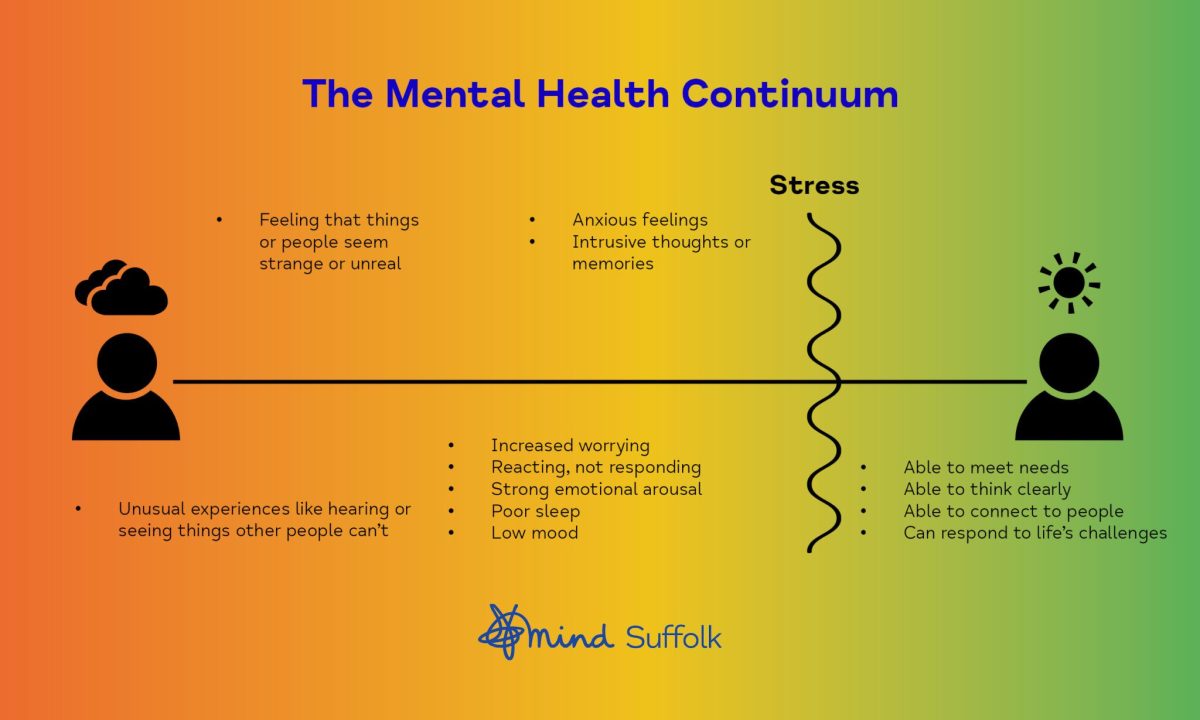
The relationship between mind and body is deeply intertwined, especially during the formative years of education. For students, neglecting one aspect often leads to deterioration in the other. Poor physical health can contribute to anxiety and depression, while chronic stress can manifest in physical symptoms like fatigue, headaches, and weakened immunity.
The Bi-Directional Relationship
Mental and physical health for students operate in a continuous feedback loop. When students experience high levels of academic stress, their cortisol levels rise, which can disrupt sleep, suppress the immune system, and increase the risk of cardiovascular issues. Conversely, regular physical activity has been shown to reduce symptoms of depression and anxiety by boosting endorphins and improving self-esteem.
- Stress impacts digestion, sleep, and energy levels
- Exercise improves mood and cognitive function
- Chronic illness can lead to social isolation and low self-worth
“There is no health without mental health.” — World Health Organization
Why Students Are Particularly Vulnerable
Students face a unique combination of academic pressure, financial stress, identity development, and social transitions. According to the American Psychological Association, over 60% of college students report overwhelming anxiety, and nearly 40% experience depression severe enough to interfere with daily functioning. These mental health challenges are often exacerbated by poor sleep, irregular eating habits, and sedentary lifestyles.
- Transition to independence increases stress
- Limited access to healthcare or counseling
- Academic performance tied to self-worth
2. The Impact of Academic Pressure on Mental and Physical Health for Students
Grades, deadlines, and competition create a high-pressure environment that can take a serious toll on both mind and body. The pursuit of academic excellence, while admirable, often comes at the cost of self-care and emotional balance.
Chronic Stress and Burnout
Chronic stress is more than just feeling overwhelmed—it’s a physiological state that can damage the brain and body over time. Prolonged exposure to stress hormones like cortisol can impair memory, reduce concentration, and increase the risk of mental disorders. Burnout, characterized by emotional exhaustion, cynicism, and reduced performance, is increasingly common among students.
- Symptoms include fatigue, irritability, and detachment
- Burnout reduces academic motivation and performance
- Can lead to long-term mental health issues if unaddressed
“Burnout is not a sign of weakness; it’s a signal that something needs to change.” — Dr. Christina Maslach
Perfectionism and Its Hidden Costs
Many students strive for perfection, believing it’s the key to success. However, perfectionism is strongly linked to anxiety, depression, and procrastination. The fear of failure can paralyze decision-making and lead to unhealthy coping mechanisms like overworking or substance use.
- Perfectionists often set unrealistic standards
- Self-worth becomes tied to achievement
- Leads to avoidance behaviors and increased stress
3. Building Resilience: Emotional and Psychological Strategies
Resilience isn’t about avoiding stress—it’s about developing the tools to navigate it effectively. For students, building emotional strength is crucial for maintaining mental and physical health for students in the long run.
Practicing Mindfulness and Meditation
Mindfulness—the practice of being present and non-judgmental—has been proven to reduce anxiety, improve focus, and enhance emotional regulation. Simple techniques like focused breathing, body scans, or mindful walking can be integrated into a student’s daily routine.
- Reduces rumination and overthinking
- Improves attention and academic performance
- Can be practiced in as little as 5–10 minutes a day
According to research from Mindful.org, students who practice mindfulness report lower stress levels and better sleep quality.
mental and physical health for students – Mental and physical health for students menjadi aspek penting yang dibahas di sini.
Cognitive Behavioral Techniques (CBT)
Cognitive Behavioral Therapy (CBT) is a widely used psychological approach that helps individuals identify and change negative thought patterns. Students can apply CBT principles to challenge irrational beliefs, such as “I must get an A or I’m a failure,” and replace them with healthier, more balanced thoughts.
- Helps break the cycle of negative thinking
- Improves problem-solving and coping skills
- Can be learned through apps, books, or counseling
“You can’t stop the waves, but you can learn to surf.” — Jon Kabat-Zinn
4. Physical Activity: A Pillar of Mental and Physical Health for Students
Exercise is one of the most effective, yet underutilized, tools for enhancing both mental and physical health for students. It’s not just about fitness—it’s about mental clarity, emotional stability, and long-term well-being.
How Exercise Boosts Brain Function
Physical activity increases blood flow to the brain, stimulates the growth of new neurons, and enhances the connectivity between brain regions. This leads to improved memory, faster information processing, and better decision-making—all critical for academic success.
- Increases production of BDNF (Brain-Derived Neurotrophic Factor)
- Enhances focus and reduces mental fog
- Improves sleep quality and energy levels
A study published by the Harvard Medical School found that students who exercised regularly performed better on cognitive tasks and reported higher levels of happiness.
Simple Ways to Stay Active on Campus
Students don’t need a gym membership or hours of free time to stay active. Small, consistent efforts can make a big difference.
- Walk or bike to class instead of driving
- Use study breaks for short stretching or stair climbing
- Join intramural sports or dance clubs
“Exercise is the most transformative thing you can do for your brain today.” — Dr. John Ratey
5. Nutrition and Sleep: Foundational Elements of Mental and Physical Health for Students
You can’t out-exercise a poor diet, and you can’t out-study sleep deprivation. Nutrition and sleep are the bedrock of mental and physical health for students, yet they are often the first things sacrificed during busy periods.
The Role of Diet in Mental Well-Being
The food students eat directly affects their mood, energy, and cognitive function. Diets high in processed foods, sugar, and trans fats are linked to increased rates of depression and anxiety. On the other hand, a balanced diet rich in whole grains, fruits, vegetables, lean proteins, and healthy fats supports brain health and emotional stability.
- Omega-3 fatty acids support brain function
- Low blood sugar can cause irritability and poor concentration
- Gut health is linked to mental health via the gut-brain axis
The British Nutrition Foundation emphasizes that students who eat regular, balanced meals perform better academically and report higher life satisfaction.
Sleep Hygiene: Why Quality Rest Matters
Sleep is not a luxury—it’s a biological necessity. During sleep, the brain consolidates memories, repairs tissues, and regulates emotions. Chronic sleep deprivation impairs judgment, weakens the immune system, and increases the risk of mental health disorders.
- Aim for 7–9 hours of sleep per night
- Avoid screens at least 30 minutes before bed
- Keep a consistent sleep schedule, even on weekends
“Sleep is the golden chain that ties health and our bodies together.” — Thomas Dekker
6. Social Connections and Support Systems
Humans are social beings, and strong relationships are a key component of mental and physical health for students. Loneliness and social isolation are significant risk factors for depression, anxiety, and even physical illness.
mental and physical health for students – Mental and physical health for students menjadi aspek penting yang dibahas di sini.
The Power of Peer Support
Having friends who understand the student experience can provide emotional relief, practical advice, and a sense of belonging. Study groups, dorm life, and campus organizations offer natural opportunities to build meaningful connections.
- Peer support reduces feelings of isolation
- Friends can help hold each other accountable for self-care
- Shared experiences build resilience and empathy
According to APA research, students with strong social networks are less likely to experience severe stress and more likely to seek help when needed.
Seeking Professional Help When Needed
There’s no shame in asking for help. University counseling centers, hotlines, and online therapy platforms provide confidential, accessible support for students struggling with mental health issues.
- Counseling can help with anxiety, depression, and relationship issues
- Many campuses offer free or low-cost services
- Therapy is a proactive step toward self-improvement
“Asking for help is not giving up; it’s refusing to give up.” — Unknown
7. Creating a Sustainable Self-Care Routine
Sustainable self-care isn’t about grand gestures—it’s about small, consistent actions that support mental and physical health for students over time. The goal is to build habits that fit into real student life, not idealized versions of it.
Time Management and Prioritization
Poor time management is a major source of stress. Using tools like planners, digital calendars, or the Pomodoro technique can help students break tasks into manageable chunks and avoid last-minute cramming.
- Plan study sessions in advance
- Set realistic goals and deadlines
- Include breaks and leisure time in your schedule
The Carnegie Mellon University study skills center recommends time blocking as an effective method for reducing academic stress.
Integrating Self-Care into Daily Life
Self-care doesn’t have to be time-consuming. It can be as simple as drinking enough water, taking a walk between classes, or calling a loved one. The key is consistency and intentionality.
- Start with one small habit and build from there
- Use reminders or habit-tracking apps
- Be kind to yourself when you miss a day
“Self-care is how you take your power back.” — Lalah Delia
Why is mental and physical health for students so important?
Mental and physical health for students is crucial because it directly impacts academic performance, emotional well-being, and long-term life outcomes. Healthy students are more focused, resilient, and capable of handling challenges.
What are common signs of poor mental health in students?
mental and physical health for students – Mental and physical health for students menjadi aspek penting yang dibahas di sini.
Common signs include persistent sadness, loss of interest in activities, changes in sleep or appetite, difficulty concentrating, and withdrawal from social interactions. If these symptoms last more than two weeks, professional help should be sought.
How can students improve their physical health while studying?
Students can improve physical health by incorporating regular movement, eating balanced meals, staying hydrated, and getting enough sleep. Even 20 minutes of daily exercise can make a significant difference.
Can exercise really help with anxiety and depression?
Yes, numerous studies show that regular physical activity can reduce symptoms of anxiety and depression by increasing endorphins, improving sleep, and providing a sense of accomplishment.
Where can students find mental health resources?
Most universities offer counseling services, support groups, and crisis hotlines. Online platforms like 7 Cups and Talkspace also provide accessible mental health support.
Maintaining mental and physical health for students is not a luxury—it’s a necessity. By understanding the deep connection between mind and body, managing academic pressures, building resilience, staying active, eating well, sleeping enough, nurturing relationships, and practicing consistent self-care, students can thrive both in and out of the classroom. The journey to well-being isn’t about perfection; it’s about progress, awareness, and compassion for oneself. With the right tools and support, every student can build a healthier, more balanced life.
mental and physical health for students – Mental and physical health for students menjadi aspek penting yang dibahas di sini.
Recommended for you 👇
Further Reading: