
Stuck in a dorm, buried under books, and zero time for the gym? No problem. This no equipment workout for students is your ultimate weapon to stay fit, focused, and energized—right from your room.
No Equipment Workout for Students: Why It’s a Game-Changer

For students juggling lectures, assignments, and social life, finding time to hit the gym can feel impossible. That’s where a no equipment workout for students becomes not just convenient—but essential. These routines eliminate the need for weights, machines, or even a fitness center, making fitness accessible anytime, anywhere.
Perfect for Tight Schedules
Between back-to-back classes and late-night study sessions, students rarely have the luxury of long workout blocks. A no equipment workout for students can be completed in as little as 10–15 minutes. Whether it’s a quick session before breakfast or a wind-down routine after an exam, these workouts fit seamlessly into a packed day.
- Can be done in dorm rooms, hallways, or even between library sessions
- No travel time to a gym means more time for rest or study
- Minimal setup—just your body and a bit of floor space
Boosts Mental Clarity and Academic Performance
Physical activity isn’t just about building muscle—it’s a proven cognitive enhancer. Studies show that regular exercise increases blood flow to the brain, improves memory, and enhances focus. A short no equipment workout for students before a lecture or study session can sharpen mental clarity and boost retention.
“Exercise is the single most powerful tool you have to optimize your brain function.” — Dr. John Ratey, author of Spark: The Revolutionary New Science of Exercise and the Brain
By integrating movement into your daily routine, you’re not just building a stronger body—you’re building a sharper mind.
Core Principles of an Effective No Equipment Workout for Students
To get the most out of a no equipment workout for students, it’s crucial to understand the foundational principles that make these routines effective. Without equipment, your body becomes the resistance, and proper form, consistency, and progression are key.
Bodyweight as Resistance
Bodyweight exercises use your own mass to build strength and endurance. Movements like push-ups, squats, and planks engage multiple muscle groups simultaneously, making them highly efficient. Unlike isolated gym machines, these compound movements mimic real-life actions, improving functional fitness.
- Push-ups target chest, shoulders, triceps, and core
- Squats work quads, glutes, hamstrings, and lower back
- Planks strengthen the entire core, including abs and lower back stabilizers
As you progress, you can increase intensity by slowing down movements, adding reps, or trying advanced variations.
Progressive Overload Without Weights
Progressive overload—the gradual increase of stress on the body—is essential for muscle growth and endurance. In a no equipment workout for students, this is achieved through:
- Increasing repetitions or sets
- Reducing rest time between exercises
- Performing harder variations (e.g., moving from knee push-ups to full push-ups)
For example, if 15 regular squats feel easy, try 20 or switch to jump squats for added intensity. This principle ensures continuous improvement without needing dumbbells or resistance bands.
7 Essential No Equipment Exercises Every Student Should Master
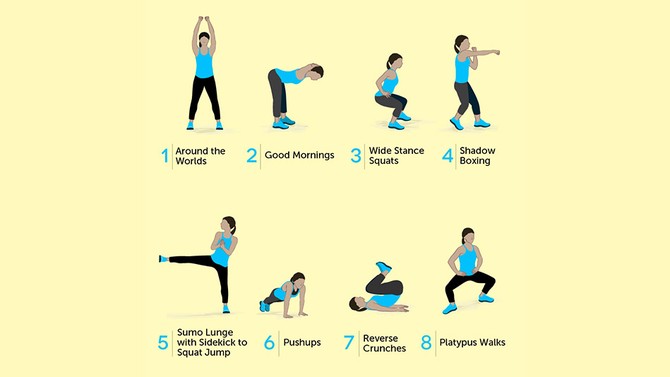
Here’s a curated list of seven foundational exercises that form the backbone of any effective no equipment workout for students. These movements require zero gear, minimal space, and deliver maximum results.
1. Push-Ups (Upper Body Power)
Push-ups are a classic for a reason—they build upper body strength and core stability. Whether you’re doing them on your toes or knees, the movement targets the chest, shoulders, triceps, and core.
- Standard push-up: Hands shoulder-width apart, body in a straight line
- Incline push-up: Hands on a desk or wall for beginners
- Decline push-up: Feet elevated for advanced challenge
Start with 2–3 sets of 8–12 reps. As you improve, aim for 3 sets of 20 or more. For more variations, check out Verywell Fit’s guide to bodyweight exercises.
2. Bodyweight Squats (Leg Strength Builder)
Squats are fundamental for building lower body strength and improving mobility. They engage the quads, glutes, hamstrings, and calves while also enhancing balance and posture.
- Stand with feet shoulder-width apart
- Lower hips back and down as if sitting in a chair
- Keep chest up and knees behind toes
Perform 3 sets of 15–20 reps. To increase difficulty, try jump squats or pistol squats (single-leg). These variations add power and stability training, crucial for athletic performance and daily movement.
no equipment workout for students – No equipment workout for students menjadi aspek penting yang dibahas di sini.
3. Plank (Core Stability King)
The plank is unmatched for building core endurance. It strengthens the transverse abdominis, obliques, and lower back—key for posture, injury prevention, and overall strength.
- Hold a straight-arm or forearm plank position
- Keep body in a straight line from head to heels
- Aim for 30 seconds to 1 minute per set
For added challenge, try side planks or plank with shoulder taps. Consistency is key—plank daily, and you’ll notice improved posture and reduced back pain, especially after long hours of sitting in lectures.
4. Lunges (Balance and Leg Power)
Lunges improve unilateral strength, balance, and coordination. They target each leg independently, helping correct muscle imbalances that often develop from sitting too much.
- Step forward with one leg, lowering hips until both knees are at 90 degrees
- Push back to start position
- Alternate legs for 10–12 reps per side
Try reverse lunges or walking lunges for variety. These are excellent for activating glutes and improving hip flexibility—critical for students who spend hours at a desk.
5. Glute Bridges (Posture and Hip Health)
Glute bridges activate the glutes and hamstrings, counteracting the weakening effect of prolonged sitting. Weak glutes contribute to poor posture and lower back pain—common issues among students.
- Lie on your back, knees bent, feet flat on the floor
- Lift hips toward the ceiling, squeezing glutes at the top
- Lower slowly and repeat
Do 3 sets of 15–20 reps. For more intensity, try single-leg glute bridges. This exercise is a must for anyone who sits for more than 6 hours a day.
6. Mountain Climbers (Cardio and Core Combo)
Mountain climbers are a dynamic exercise that boosts heart rate while engaging the core, shoulders, and legs. They’re perfect for adding a cardio element to your no equipment workout for students.
- Start in a high plank position
- Drive one knee toward your chest, then switch legs quickly
- Keep core tight and back flat
Perform for 30–60 seconds. This movement improves coordination, endurance, and calorie burn—ideal for quick energy boosts between study sessions.
7. Burpees (Full-Body Power Move)
Burpees are the ultimate full-body exercise. They combine a squat, plank, push-up, and jump into one explosive movement, building strength, endurance, and cardiovascular fitness.
- Start standing, drop into a squat, place hands on the floor
- Jump feet back into a plank, perform a push-up
- Jump feet back to hands, then explode upward into a jump
Begin with 5–10 reps and build up. Though challenging, burpees are incredibly time-efficient. Just 10 burpees can elevate your heart rate more than a minute of jogging. Learn proper form from Healthline’s burpee guide to avoid injury.
Sample No Equipment Workout for Students (Beginner to Advanced)
Now that you know the key exercises, here’s a ready-to-use routine you can start today. This no equipment workout for students is structured in three levels: beginner, intermediate, and advanced.
Beginner Routine (0–4 Weeks)
Ideal for those new to exercise or returning after a break. Focus on form and consistency.
- Bodyweight Squats: 2 sets of 12 reps
- Wall Push-Ups: 2 sets of 10 reps
- Glute Bridges: 2 sets of 15 reps
- Standing Marching (in place): 1 minute
- Plank: 2 sets of 20 seconds
Rest 30–60 seconds between sets. Perform 3 times per week.
Intermediate Routine (1–3 Months)
For students with some fitness experience. Increases intensity and volume.
- Push-Ups: 3 sets of 10–15 reps
- Bodyweight Squats: 3 sets of 15 reps
- Lunges: 3 sets of 10 per leg
- Plank: 3 sets of 30 seconds
- Mountain Climbers: 3 sets of 30 seconds
Rest 30 seconds between sets. Perform 3–4 times per week.
no equipment workout for students – No equipment workout for students menjadi aspek penting yang dibahas di sini.
Advanced Routine (3+ Months)
For students seeking maximum challenge and results. Incorporates explosive movements and minimal rest.
- Burpees: 4 sets of 10 reps
- Pistol Squat Progressions: 3 sets of 6 per leg
- Decline Push-Ups: 4 sets of 12 reps
- Side Plank: 3 sets of 45 seconds per side
- Jump Lunges: 3 sets of 12 reps per leg
Rest 20–30 seconds between sets. Perform 4 times per week with at least one rest day.
How to Stay Consistent with Your No Equipment Workout for Students
Starting is easy—sticking with it is the real challenge. Consistency is the secret sauce to long-term fitness success, especially for students with unpredictable schedules.
Create a Realistic Schedule
Don’t aim for 60-minute workouts if you’re already overwhelmed. Instead, commit to 10–15 minutes, 3–4 times a week. Use your calendar to block workout time just like a class. Treat it as non-negotiable.
- Set a daily alarm labeled “Move Time”
- Pair workouts with habits (e.g., after brushing teeth or before lunch)
- Use a habit tracker app like Habitica or Streaks
Track Progress Visually
Progress isn’t always about weight loss. Track reps, endurance, and how you feel. Keep a simple journal or use a notes app to log each session.
- Week 1: 2 sets of 8 push-ups
- Week 4: 3 sets of 15 push-ups
- Week 8: First full plank for 60 seconds
Seeing improvement is a powerful motivator. Celebrate small wins—they add up.
Find an Accountability Partner
Team up with a roommate or friend. Even if they’re not doing the same routine, check in daily. A simple “Did you move today?” can make a big difference. You can also join online fitness communities like r/bodyweightfitness on Reddit for support and tips.
Benefits of a No Equipment Workout for Students Beyond Fitness
The advantages of a no equipment workout for students go far beyond physical health. These routines positively impact mental, emotional, and academic well-being.
Reduces Stress and Anxiety
Exercise is a natural stress reliever. Physical activity increases endorphins and reduces cortisol, the stress hormone. A quick 10-minute workout can reset your mind during a stressful exam week.
- Reduces symptoms of anxiety and depression
- Improves sleep quality
- Enhances mood and emotional resilience
According to the American Psychological Association, regular physical activity helps manage stress by improving the body’s ability to handle mental tension.
Improves Sleep Quality
Students often suffer from poor sleep due to late nights and irregular schedules. Regular movement helps regulate circadian rhythms and promotes deeper sleep. Just avoid intense workouts right before bed, as they may be too stimulating.
- Aim for morning or afternoon sessions
- Evening routines should focus on stretching or light yoga
- Consistent movement leads to faster sleep onset and fewer awakenings
Boosts Confidence and Discipline
Sticking to a routine builds self-discipline—a skill that transfers to academics and personal life. Each completed workout reinforces the belief that you can follow through on commitments.
- Increases self-efficacy and motivation
- Improves time management skills
- Builds a sense of accomplishment
Over time, this discipline spills over into better study habits, punctuality, and goal-setting.
Common Mistakes to Avoid in a No Equipment Workout for Students
Even with no equipment, poor form and bad habits can lead to injury or stalled progress. Avoid these common pitfalls to get the most out of your routine.
Skipping Warm-Up and Cool-Down
Jumping straight into push-ups or burpees without warming up increases injury risk. Always start with 3–5 minutes of dynamic movement.
no equipment workout for students – No equipment workout for students menjadi aspek penting yang dibahas di sini.
- Arm circles, leg swings, and torso twists
- Light marching or jumping jacks
- Dynamic stretches to activate muscles
After your workout, cool down with static stretches for hamstrings, shoulders, and hips to improve flexibility and reduce soreness.
Overtraining Without Rest
More isn’t always better. Doing intense workouts every day without rest can lead to burnout, fatigue, and injury. Muscles grow during recovery, not during the workout.
- Take at least 1–2 rest days per week
- Listen to your body—soreness is normal, pain is not
- Alternate muscle groups if doing daily routines
Ignoring Form for Reps
It’s tempting to crank out as many push-ups as possible, but poor form reduces effectiveness and increases injury risk. Focus on quality over quantity.
- Keep your back straight during planks
- Ensure knees don’t cave in during squats
- Lower fully in push-ups to get full range of motion
Record yourself or use a mirror to check your form. Resources like Fitness Blender on YouTube offer free tutorials with form tips.
What if I have no space for a workout?
You only need a space slightly larger than your body. Even a small dorm room or cleared floor area works. You can also do seated or standing exercises in tight spaces—like desk push-ups or chair squats.
Can I build muscle without equipment?
Absolutely. Bodyweight exercises build functional strength and muscle, especially when you apply progressive overload. Advanced variations like one-arm push-ups or pistol squats challenge muscles just as effectively as weights.
How often should I do a no equipment workout for students?
Aim for 3–5 times per week. Beginners can start with 3 days, while advanced students can train 4–5 days with proper recovery. Balance intensity with rest to avoid burnout.
Is it safe to do these workouts every day?
Light daily movement is fine, but intense full-body workouts should include rest days. Overtraining can lead to injury and fatigue. Consider alternating muscle groups or doing active recovery (like stretching or walking) on off days.
Can I lose weight with a no equipment workout for students?
Yes, when combined with a healthy diet. Bodyweight workouts burn calories and build muscle, which increases metabolism. For best results, pair your routine with balanced nutrition and adequate sleep.
Staying fit as a student doesn’t require a gym membership or expensive gear. A no equipment workout for students is a powerful, flexible, and scientifically backed way to boost physical health, mental clarity, and academic performance. By mastering key exercises, staying consistent, and avoiding common mistakes, you can build a routine that fits your lifestyle and fuels your success. Start today—your body and brain will thank you.
no equipment workout for students – No equipment workout for students menjadi aspek penting yang dibahas di sini.
Further Reading: