

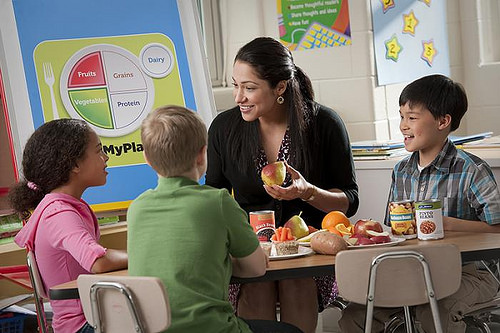
Imagine a classroom where students not only learn math and science but also understand how food fuels their brains and bodies. That’s the power of nutrition education for students—engaging, life-changing, and essential for lifelong health.
Why Nutrition Education for Students Is a Game-Changer

Nutrition education for students isn’t just about teaching kids to eat vegetables. It’s a comprehensive approach that empowers them with knowledge about food, health, and well-being. When students understand the connection between what they eat and how they feel, perform, and grow, they’re more likely to make healthier choices—both inside and outside the classroom.
According to the Centers for Disease Control and Prevention (CDC), schools play a critical role in shaping lifelong eating habits. With childhood obesity rates rising and diet-related diseases becoming more common, integrating nutrition education into the school environment is no longer optional—it’s urgent. Research shows that students who receive consistent nutrition education are more likely to consume fruits, vegetables, and whole grains while reducing intake of sugary drinks and processed snacks.
The Link Between Diet and Academic Performance
What students eat directly affects their ability to concentrate, retain information, and behave in class. A 2015 study published in Frontiers in Psychology found that children with balanced diets rich in omega-3 fatty acids, iron, and vitamins performed better on cognitive tasks than those with poor diets. For example, breakfast—often called the most important meal of the day—has been linked to improved memory, attention, and problem-solving skills.
When students skip meals or rely on high-sugar, low-nutrient foods, they’re more likely to experience energy crashes, irritability, and difficulty focusing. This creates a cycle where poor nutrition leads to poor academic outcomes, which in turn affects self-esteem and motivation.
- Students who eat breakfast score 17% higher on standardized tests (CDC).
- Diets high in processed foods are linked to increased risk of ADHD symptoms.
- Omega-3 fatty acids support brain development and cognitive function.
“Good nutrition is a cornerstone of academic success. When students are well-nourished, they’re better equipped to learn, engage, and thrive.” — Dr. Sarah Johnson, Pediatric Nutritionist
Long-Term Health Benefits of Early Nutrition Education
Teaching nutrition early sets the foundation for a lifetime of healthy habits. Children who learn about nutrition in school are more likely to carry those lessons into adulthood. This includes understanding food labels, practicing portion control, and recognizing the impact of food on mood and energy.
A longitudinal study by the Harvard T.H. Chan School of Public Health found that individuals who received nutrition education during childhood were 30% less likely to develop type 2 diabetes and cardiovascular disease later in life. These outcomes highlight the preventive power of early intervention.
Moreover, nutrition education helps reduce health disparities. Students from low-income families often have less access to nutritious foods and reliable health information. By embedding nutrition education in public schools, we can level the playing field and promote health equity.
nutrition education for students – Nutrition education for students menjadi aspek penting yang dibahas di sini.
How Schools Can Implement Effective Nutrition Education for Students
Integrating nutrition education for students into the school system requires more than just handing out pamphlets on healthy eating. It demands a strategic, multi-faceted approach that involves curriculum design, teacher training, and community engagement. The most successful programs are those that are interactive, age-appropriate, and integrated across subjects.
The USDA’s Team Nutrition initiative provides schools with free resources, including lesson plans, classroom activities, and professional development for educators. These tools help schools create a culture of health that extends beyond the cafeteria.
Curriculum Integration Across Subjects
Nutrition doesn’t have to be taught in isolation. It can be seamlessly woven into existing subjects:
- Science: Teach biology through digestion, metabolism, and the role of nutrients in bodily functions.
- Math: Use food labels to practice percentages, ratios, and data analysis (e.g., calculating sugar content in drinks).
- Social Studies: Explore food systems, cultural diets, and global hunger issues.
- Language Arts: Assign persuasive essays on topics like “Should junk food be banned in schools?”
This interdisciplinary approach reinforces learning and shows students that nutrition is relevant across all areas of life.
Teacher Training and Support
Even the best curriculum fails without trained educators. Many teachers feel unprepared to teach nutrition due to lack of formal training. A 2020 survey by the Journal of Nutrition Education and Behavior found that only 38% of elementary school teachers felt confident teaching nutrition topics.
Schools must invest in professional development. Workshops, online courses, and partnerships with dietitians can equip teachers with the knowledge and tools they need. For example, the Academy of Nutrition and Dietetics offers free webinars and classroom resources for educators.
“Teachers don’t need to be nutrition experts—they just need basic knowledge and reliable resources to guide their students.” — Lisa Adams, School Health Coordinator
Interactive and Engaging Teaching Methods
Students learn best when they’re actively involved. Passive lectures about vitamins and minerals often fail to capture attention. Instead, hands-on, experiential learning makes nutrition education for students memorable and impactful.
Interactive methods not only increase engagement but also improve knowledge retention. When students grow, cook, or taste healthy foods, they’re more likely to adopt those habits at home.
nutrition education for students – Nutrition education for students menjadi aspek penting yang dibahas di sini.
Garden-Based Learning
School gardens are powerful tools for nutrition education. They allow students to plant, nurture, and harvest fruits and vegetables, creating a direct connection between food and its source. Studies show that students who participate in garden programs are more willing to try new vegetables and express greater interest in healthy eating.
The National Farm to School Network supports over 10,000 schools in implementing garden-based education. Their resources include curriculum guides, funding opportunities, and step-by-step planning tools. Learn more at farmtoschool.org.
- Garden activities can teach science, math, and environmental stewardship.
- Students develop responsibility and patience through plant care.
- Harvests can be used in school meals or taken home to involve families.
Cooking Classes and Food Tastings
Cooking is a practical life skill that reinforces nutrition concepts. Simple cooking classes—like making fruit salads, whole-grain pizzas, or smoothies—teach students about ingredients, preparation methods, and healthy substitutions.
Organizations like FoodCorps place service members in schools to lead cooking demonstrations and nutrition lessons. Their programs have reached over 400,000 students nationwide, significantly increasing vegetable consumption among participants.
Even short “taste tests” during lunchtime can make a difference. Offering small samples of new or underused vegetables with fun names (e.g., “X-ray Vision Carrots”) can reduce food neophobia and encourage exploration.
The Role of School Meals in Nutrition Education for Students
School meals are more than just a way to feed students—they’re a teaching tool. When the cafeteria aligns with classroom lessons, nutrition education for students becomes a cohesive experience. A student who learns about the benefits of fiber in class can then choose a high-fiber whole-grain roll at lunch.
The National School Lunch Program (NSLP), administered by the USDA, sets nutrition standards for school meals. Since the 2010 Healthy, Hunger-Free Kids Act, schools have been required to offer more fruits, vegetables, whole grains, and low-fat dairy while limiting sodium, saturated fat, and calories.
Bridging the Gap Between Classroom and Cafeteria
Coordination between teachers and food service staff is key. Some schools use “themed meal days” to reinforce lessons:
nutrition education for students – Nutrition education for students menjadi aspek penting yang dibahas di sini.
- “Meatless Monday” to discuss plant-based proteins.
- “Whole Grain Wednesday” to highlight fiber-rich foods.
- “Rainbow Fruit Friday” to encourage colorful produce consumption.
Teachers can prepare students for these days with lessons on the nutritional benefits of the featured foods. Cafeteria staff can display fun signage and offer samples, turning lunch into a learning lab.
A study in the Journal of the Academy of Nutrition and Dietetics found that schools combining nutrition education with improved meal offerings saw a 26% increase in fruit and vegetable consumption.
Overcoming Barriers to Healthy School Meals
Despite progress, challenges remain. Some students resist healthier options due to taste preferences shaped by processed foods. Others face stigma around free or reduced-price meals.
Solutions include:
- Inviting students to participate in menu planning.
- Conducting blind taste tests to compare healthy and unhealthy versions of popular foods.
- Using universal free meals to reduce stigma and increase participation.
Schools like those in the Chef Ann Foundation network have transformed their kitchens into scratch-cooking facilities, serving fresh, locally sourced meals that students actually enjoy.
Family and Community Involvement in Nutrition Education
Nutrition education for students doesn’t stop at the school gate. For lasting change, families and communities must be engaged. Parents are a child’s first and most influential teachers when it comes to food.
When schools involve families, students are more likely to apply what they’ve learned at home. This creates a supportive environment where healthy eating is normalized and reinforced.
Parent Workshops and Take-Home Materials
Schools can host workshops on topics like reading food labels, budget-friendly healthy cooking, and managing picky eaters. Providing recipes, shopping lists, and meal planning templates helps parents put knowledge into action.
nutrition education for students – Nutrition education for students menjadi aspek penting yang dibahas di sini.
Some schools send home “nutrition kits” with seeds, cooking utensils, or reusable produce bags. These tangible resources encourage family participation and extend learning beyond the classroom.
Community Partnerships
Collaborating with local farms, grocery stores, and health organizations amplifies impact. Examples include:
- Farmers’ markets on school grounds with SNAP/EBT acceptance.
- Supermarket tours led by dietitians to teach smart shopping.
- Partnerships with food banks to address food insecurity.
The USDA’s MyPlate initiative offers bilingual resources for families, making nutrition education accessible to diverse communities.
“When schools, families, and communities work together, we create a ecosystem of health that supports every student.” — Maria Gonzalez, Community Health Advocate
Technology and Digital Tools for Nutrition Education
In the digital age, technology offers innovative ways to deliver nutrition education for students. From interactive apps to virtual reality experiences, digital tools can make learning more engaging and personalized.
Especially for older students, technology bridges the gap between traditional teaching and real-world application. Apps that track food intake, gamify healthy choices, or simulate the effects of diet on the body can deepen understanding and motivation.
Educational Apps and Games
Apps like “Fooducate” and “MyPlate by Livestrong” allow students to scan food labels and receive instant feedback on nutritional value. These tools turn everyday decisions into learning moments.
Games like “Smash Your Food” (available at smashyourfood.org) show how much sugar is hidden in popular drinks by “smashing” virtual cans and revealing the sugar cubes inside. This visual impact is especially effective for younger students.
Online Curriculum and Virtual Learning
Digital platforms like Khan Academy and BrainPOP offer free, standards-aligned nutrition lessons. These can be used in classrooms or assigned as homework, providing flexibility and accessibility.
nutrition education for students – Nutrition education for students menjadi aspek penting yang dibahas di sini.
During remote learning, schools used virtual cooking classes and live Q&As with dietitians to keep nutrition education alive. These models can continue as hybrid options, reaching students who may miss in-person sessions.
Measuring the Impact of Nutrition Education for Students
To ensure effectiveness, schools must evaluate their nutrition education programs. Without data, it’s impossible to know what’s working and where improvements are needed.
Assessment should go beyond test scores. It should include behavioral changes, knowledge retention, and student engagement.
Knowledge Assessments and Surveys
Pre- and post-tests can measure how much students learn from nutrition units. Questions might include:
- “Which nutrient gives you long-lasting energy?”
- “How many servings of vegetables should you eat daily?”
- “What does ‘whole grain’ mean on a food label?”
Anonymous surveys can also gauge attitudes toward healthy eating and self-reported behaviors.
Behavioral Observations and Participation Rates
Real-world indicators include:
- Increased selection of fruits and vegetables in the cafeteria.
- Higher participation in school garden or cooking programs.
- Reduction in junk food brought from home.
Some schools use plate waste studies to measure how much healthy food is actually consumed. This data helps refine menus and education strategies.
Challenges and Solutions in Nutrition Education for Students
Despite its benefits, nutrition education for students faces several obstacles. Limited time, funding, and competing academic priorities often push health topics to the sidelines.
nutrition education for students – Nutrition education for students menjadi aspek penting yang dibahas di sini.
However, with creativity and collaboration, these challenges can be overcome.
Lack of Time in the School Day
Teachers often feel they don’t have time to add another subject. The solution? Integrate nutrition into existing lessons, as discussed earlier. A 10-minute discussion on the sugar content of soda during math class counts as nutrition education.
Short, daily “nutrition nuggets” can be shared during morning announcements or on classroom whiteboards.
Insufficient Funding and Resources
Not all schools can afford gardens, cooking equipment, or guest speakers. But free and low-cost resources are available:
- USDA’s Team Nutrition offers free lesson plans and training.
- Local universities may provide dietetic interns for volunteer teaching.
- Grants from organizations like the Whole Kids Foundation can fund gardens and kitchen equipment.
Starting small—like a windowsill herb garden or a monthly taste test—is better than doing nothing.
What is nutrition education for students?
Nutrition education for students is a structured program that teaches children and adolescents about food, nutrients, and healthy eating habits. It aims to empower them with the knowledge and skills to make informed dietary choices that support physical health, mental well-being, and academic success.
Why is nutrition education important in schools?
nutrition education for students – Nutrition education for students menjadi aspek penting yang dibahas di sini.
Schools are ideal settings for nutrition education because they reach children during critical developmental years. With rising rates of childhood obesity and diet-related diseases, schools have a responsibility to promote health. Nutrition education improves dietary behaviors, supports learning, and helps reduce health disparities.
How can teachers incorporate nutrition into their classrooms?
Teachers can integrate nutrition across subjects—using food labels in math, studying digestion in science, or writing essays on food policy. They can also host taste tests, start a classroom garden, or invite a dietitian for a guest talk. Free resources from organizations like the Academy of Nutrition and Dietetics and USDA make it easy to get started.
What role do parents play in nutrition education?
Parents reinforce what students learn in school. By modeling healthy eating, involving kids in meal planning, and attending school nutrition events, parents help create a consistent message. Schools can support parents with workshops, recipes, and take-home materials.
Are there proven benefits of nutrition education for students?
Yes. Research shows that students who receive nutrition education are more likely to eat fruits and vegetables, choose whole grains, and avoid sugary drinks. They also show improved concentration, better attendance, and reduced risk of chronic diseases later in life.
Investing in nutrition education for students is one of the most impactful things schools can do for public health. It’s not just about teaching kids to eat better—it’s about equipping them with the tools to live healthier, more successful lives. From classroom lessons to cafeteria menus, from family involvement to digital tools, every piece of the puzzle matters. The goal is clear: to create a generation that understands the power of food and uses that knowledge to thrive.
nutrition education for students – Nutrition education for students menjadi aspek penting yang dibahas di sini.
Further Reading: