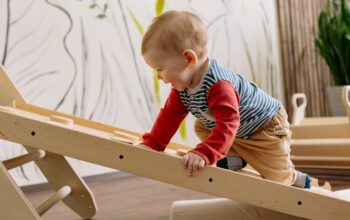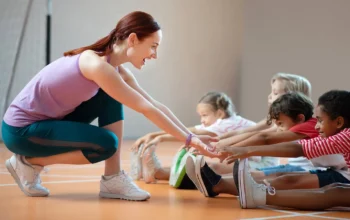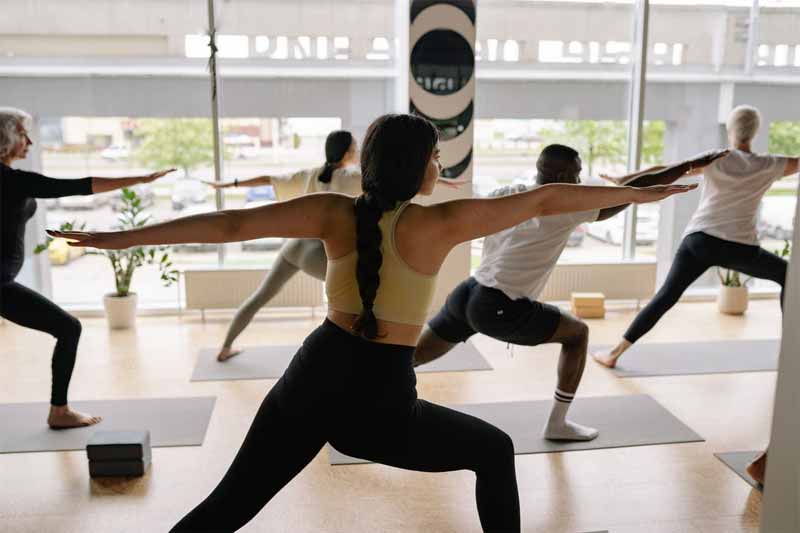

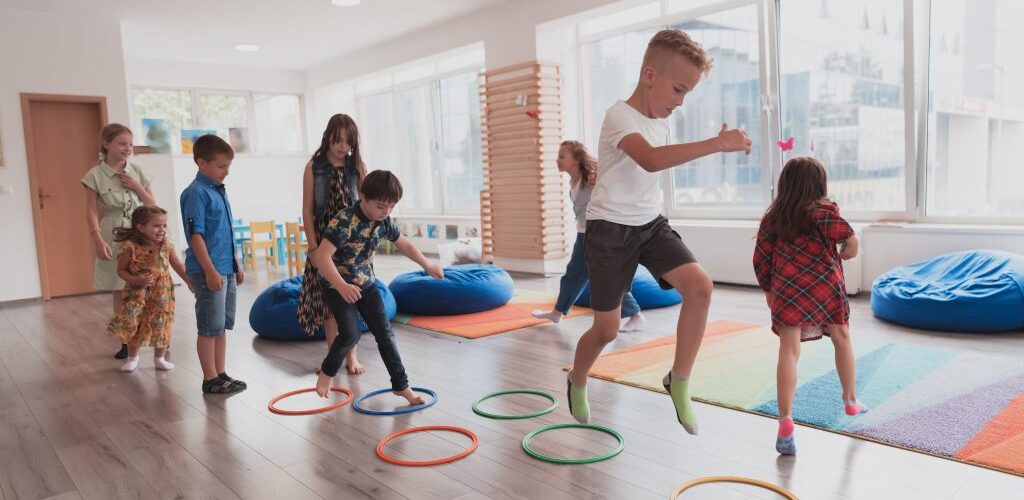
When the weather turns bad or outdoor space is limited, PE activities indoor school settings become a game-changer. These dynamic, space-smart exercises keep students active, focused, and energized—no playground required.
Why PE Activities Indoor School Are Essential for Student Development
Physical education isn’t just about running laps or playing team sports. In modern education, PE activities indoor school environments play a crucial role in supporting holistic student growth. With rising concerns about childhood inactivity and screen time, structured indoor physical education ensures kids stay active regardless of weather, season, or facility limitations.
Supporting Physical Health in Confined Spaces
Indoor PE allows schools to maintain consistent physical activity schedules, even when outdoor play isn’t possible. According to the Centers for Disease Control and Prevention (CDC), children should get at least 60 minutes of moderate to vigorous physical activity daily. PE activities indoor school programs help meet this benchmark by transforming classrooms, gyms, and multipurpose halls into movement zones.
- Improves cardiovascular endurance through structured movement
- Enhances muscular strength using bodyweight exercises
- Promotes flexibility with stretching and yoga-based routines
Boosting Cognitive and Emotional Well-being
Research shows a strong link between physical activity and academic performance. A study published by the American Psychological Association found that students who engage in regular physical activity demonstrate improved concentration, memory, and classroom behavior. PE activities indoor school settings provide a mental reset, reducing stress and increasing focus after long periods of sitting.
“Movement is medicine for the brain.” – Dr. John Ratey, author of ‘Spark: The Revolutionary New Science of Exercise and the Brain’
Top 15 PE Activities Indoor School Teachers Can Use Immediately
From energetic warm-ups to cooperative games, these PE activities indoor school educators can implement with minimal equipment and space. Each activity is designed to be inclusive, safe, and adaptable for different age groups and abilities.
1. Balloon Volleyball
This low-impact, high-engagement game turns a simple balloon into a dynamic tool for coordination and teamwork. Using string or tape as a ‘net’ across a hallway or gym, students bat the balloon back and forth using hands, heads, or even feet.
- Requires only balloons and tape
- Encourages hand-eye coordination
- Can be played in small teams or pairs
2. Animal Movement Races
Perfect for younger students, this imaginative activity has children mimic animal movements like frog jumps, crab walks, or snake crawls from one end of the room to another.
- Develops gross motor skills
- Integrates creativity and play
- Can be combined with music for rhythm
3. Dance Freeze
A classic favorite, Dance Freeze improves listening skills and cardiovascular health. Play music and have students dance freely; when the music stops, they must freeze in place.
- Enhances self-control and body awareness
- Can incorporate cultural dances for cross-curricular learning
- Great for brain breaks between lessons
4. Indoor Obstacle Course
Create a safe obstacle course using cones, chairs, ropes, and mats. Include tasks like crawling under tables, hopping on one foot, or balancing along a taped line.
- Promotes problem-solving and spatial awareness
- Can be timed for added challenge
- Adaptable for different ability levels
5. Simon Says: Fitness Edition
Turn the classic game into a fitness challenge. Commands like “Simon says do 5 jumping jacks” or “Simon says touch your toes” keep kids moving while reinforcing listening skills.
- No equipment needed
- Encourages following directions
- Can be led by students to build leadership
6. Chair-Based Circuit Training
Using chairs as props, students rotate through stations like seated leg lifts, chair dips, and step-ups. Ideal for limited space and older students.
- Builds strength and endurance
- Teaches circuit training principles
- Can be paired with heart rate monitoring
7. Yoga & Mindfulness Sessions
Yoga improves flexibility, balance, and mental focus. Use themed sequences like “Volcano Breath” or “Tree Pose” to engage younger minds.
- Reduces anxiety and improves focus
- Can be integrated into morning routines
- Supports inclusive participation
8. Relay Races with Soft Objects
Use bean bags, scarves, or soft balls for relay races. Students pass items using hands, spoons, or even their heads to add variety.
- Encourages teamwork and coordination
- Minimizes risk of injury
- Can be adapted for seated versions
9. Fitness Bingo
Create bingo cards with different exercises (e.g., 10 squats, 5 push-ups, hop on one foot). As students complete each, they mark it off—first to get a line wins.
- Combines fun and fitness
- Promotes goal setting
- Can be used for homework or home practice
10. Parachute Play (Mini Version)
Use a small parachute or even a bedsheet to simulate parachute games. Shake, lift, and bounce soft balls on top to develop rhythm and cooperation.
- Enhances group coordination
- Develops timing and motor planning
- Great for social-emotional learning
11. Fitness Dice Challenge
Create or print large dice with different exercises on each side. Roll the dice and perform the corresponding activity for 30 seconds.
- Adds an element of surprise
- Encourages quick transitions
- Can be used in small groups
12. Musical Math or Spelling Movement
Combine academics with PE. When the music stops, show a math problem or spelling word. Students answer by doing jumping jacks equal to the answer or spelling the word with body movements.
- Integrates cross-curricular learning
- Boosts engagement in academic subjects
- Supports kinesthetic learners
13. Tunnel Crawl & Balance Beam
Use gym mats rolled into tunnels and taped lines on the floor as balance beams. Students crawl through tunnels and walk along lines with arms outstretched.
- Develops vestibular and proprioceptive senses
- Improves core stability
- Can be part of sensory integration programs
14. Shadow Tag
A quiet, space-conscious game where students try to step on each other’s shadows using only foot movements. No running or shouting required.
- Ideal for low-noise environments
- Teaches spatial awareness
- Works well in classrooms with natural light
15. Fitness Storytime
Read a short story where characters perform actions. Students act out movements as the story progresses—jumping over a stream, crawling through a cave, etc.
- Combines literacy and physical activity
- Engages imagination and motor skills
- Perfect for early elementary grades
How to Adapt PE Activities Indoor School for Different Age Groups
One size doesn’t fit all when it comes to PE activities indoor school settings. Tailoring exercises to developmental stages ensures safety, engagement, and effectiveness.
Early Childhood (Ages 3–6)
Young learners thrive on imaginative play and simple motor tasks. Focus on activities that develop coordination, balance, and listening skills.
- Use animal walks, dance, and storytelling
- Keep sessions short (10–15 minutes)
- Incorporate songs and rhymes
Elementary Students (Ages 7–10)
This group enjoys competition, rules, and teamwork. Introduce games with structure and goals.
- Include relay races, obstacle courses, and team challenges
- Teach basic sports skills (dribbling, throwing) with soft equipment
- Integrate academic concepts through movement
Middle & High School (Ages 11–18)
Older students benefit from fitness education, goal setting, and self-directed activities.
- Offer circuit training, yoga, or dance workouts
- Use heart rate monitors or fitness apps
- Encourage leadership by letting students design activities
Safety Guidelines for PE Activities Indoor School Environments
Safety is paramount when conducting PE activities indoor school spaces. Without proper planning, confined areas can increase the risk of collisions, slips, or overexertion.
Clear the Space and Define Boundaries
Before starting any activity, ensure furniture is pushed back and pathways are clear. Use tape or cones to mark safe zones and boundaries.
- Remove tripping hazards like loose cords or rugs
- Ensure emergency exits remain accessible
- Use non-slip mats for high-movement areas
Use Appropriate Equipment
Indoor PE should use soft, lightweight, and non-projectile equipment to minimize injury risk.
- Opt for foam balls, scarves, or balloons instead of hard balls
- Avoid equipment that requires high throws or fast movements
- Inspect gear regularly for wear and tear
Monitor Intensity and Hydration
Even in small spaces, students can overheat or become fatigued. Teachers should monitor exertion levels and encourage water breaks.
- Teach students to recognize signs of fatigue
- Use the “talk test”—if they can’t speak comfortably, they’re working too hard
- Allow seated cooldowns and stretching
Integrating Technology into PE Activities Indoor School
Technology can enhance indoor PE by providing structure, feedback, and motivation. When used wisely, digital tools support active learning without replacing movement.
Fitness Apps and Interactive Videos
Platforms like GoNoodle, YouTube fitness channels, or PE-specific apps offer guided workouts for all ages.
- GoNoodle provides 5–10 minute dance and mindfulness videos
- YouTube channels like “Cosmic Kids Yoga” blend storytelling with movement
- Apps can track participation and progress
Wearable Fitness Trackers
In older grades, students can use fitness bands to monitor steps, heart rate, or active minutes during indoor sessions.
- Promotes self-awareness of activity levels
- Encourages goal setting and reflection
- Can be linked to health education curriculum
Virtual PE Challenges
Schools can host indoor fitness challenges using apps or online platforms where students log activities and earn badges.
- Fosters friendly competition
- Encourages consistency
- Can involve families at home
Overcoming Common Challenges in PE Activities Indoor School
Despite their benefits, indoor PE programs face obstacles like limited space, noise concerns, and lack of equipment. Addressing these proactively ensures sustainability and success.
Dealing with Limited Space
Not all schools have large gyms. Classrooms and hallways can be transformed with creative planning.
- Use vertical space—wall touches, standing jumps
- Rotate stations in small groups
- Focus on seated or low-movement activities when needed
Managing Noise Levels
Indoor activities can get loud, especially in shared buildings. Establish quiet signals and use noise-friendly games.
- Use hand signals or chimes to regain attention
- Incorporate silent activities like yoga or shadow tag
- Coordinate schedules with other teachers
Ensuring Inclusivity for All Students
Every student, regardless of ability, should participate meaningfully in PE activities indoor school programs.
- Offer modified versions of exercises
- Use peer buddies or adaptive equipment
- Focus on effort and participation over performance
Benefits of Consistent PE Activities Indoor School Programs
Regular indoor physical education isn’t just a substitute for outdoor play—it’s a vital component of a balanced school day. The long-term benefits extend beyond physical health to academic, emotional, and social development.
Improved Academic Performance
Physical activity increases blood flow to the brain, enhancing cognitive function. Schools that integrate daily PE report better focus, reduced off-task behavior, and higher test scores.
- Boosts memory and information retention
- Reduces symptoms of ADHD
- Supports executive function skills
Enhanced Social Skills
Team-based indoor games teach cooperation, communication, and conflict resolution.
- Encourages turn-taking and fair play
- Builds empathy and trust
- Provides leadership opportunities
Long-Term Health Habits
Students who engage in regular PE are more likely to maintain active lifestyles into adulthood.
- Reduces risk of obesity and chronic disease
- Promotes positive body image
- Teaches lifelong fitness principles
What are the best PE activities for small indoor spaces?
Some of the best PE activities indoor school environments with limited space include chair-based circuits, balloon volleyball, dance freeze, yoga, and fitness bingo. These require minimal equipment and can be adapted for various age groups.
How can teachers make indoor PE fun and engaging?
Teachers can make PE activities indoor school settings fun by incorporating games, music, storytelling, and student choice. Using themes, challenges, and technology like GoNoodle keeps students motivated and excited to participate.
Are indoor PE activities safe for students with disabilities?
Yes, with proper modifications, PE activities indoor school programs can be inclusive for all students. Using adaptive equipment, offering alternative movements, and focusing on participation ensures every child can benefit from physical education.
How often should schools conduct indoor PE sessions?
Schools should aim for at least 30–60 minutes of physical activity daily. When outdoor PE isn’t possible, indoor sessions should replace them to maintain consistency and meet health guidelines.
Can academic subjects be combined with indoor PE?
Absolutely. Activities like musical math, spelling relays, or fitness storytime integrate movement with learning, supporting kinesthetic learners and making lessons more dynamic.
PE activities indoor school settings are not just a backup plan—they’re a powerful tool for student success. From boosting physical health to enhancing focus and social skills, these creative, adaptable exercises ensure every child stays active, engaged, and ready to learn. With thoughtful planning, safety measures, and a touch of fun, indoor PE can become a highlight of the school day.
PE activities indoor school – PE activities indoor school menjadi aspek penting yang dibahas di sini.
Further Reading: