
Who says you need fancy gear to stay active? Discover 10 powerful physical education activities without equipment that boost fitness, fun, and focus—all you need is space and energy!
Why Physical Education Activities Without Equipment Matter

Physical education (PE) is a cornerstone of healthy development in children and adults alike. However, access to equipment, facilities, or funding can be limited—especially in under-resourced schools, community centers, or home environments. This is where physical education activities without equipment shine. They are inclusive, scalable, and highly effective in promoting movement, coordination, and teamwork.
Accessibility and Inclusivity
One of the greatest strengths of physical education activities without equipment is their universal accessibility. These activities require no special tools, making them ideal for rural schools, low-income communities, or emergency remote learning situations. According to the Centers for Disease Control and Prevention (CDC), regular physical activity improves cognitive function, reduces anxiety, and enhances classroom behavior. Equipment-free PE ensures every student can participate, regardless of socioeconomic background.
- Activities can be adapted for various ages and abilities.
- No financial barrier to entry.
- Easy to implement in confined spaces like classrooms or small yards.
Cost-Effective and Sustainable
Schools and educators often face tight budgets. Investing in balls, mats, or resistance bands isn’t always feasible. Physical education activities without equipment eliminate these costs while still delivering high-impact results. A study published by the Journal of Teaching in Physical Education found that bodyweight-based PE programs improved student engagement and motor skill development just as effectively as equipment-based ones.
“Movement is medicine, and it doesn’t require a prescription or pricey gear—just intention and space.” — Dr. Michelle Telfer, Pediatric Sports Physician
Top 10 Physical Education Activities Without Equipment
Let’s dive into 10 dynamic, equipment-free PE activities that are easy to set up, fun to run, and effective in building strength, endurance, and coordination. These physical education activities without equipment are classroom-tested and loved by students and teachers alike.
1. Animal Walks Relay
This imaginative activity turns students into animals—crabs, frogs, bears, and more—while building strength, balance, and creativity. It’s perfect for younger children but can be adapted for older groups with added challenges.
- Bear Crawl: Hands and feet on the ground, hips high, walk forward like a bear.
- Frog Jumps: Squat low and leap forward like a frog, landing softly.
- Crab Walk: Sit on the floor, lift hips, and move backward using hands and feet.
Turn it into a relay race to boost excitement and teamwork. Divide students into teams and have them race across a marked zone using different animal walks. This activity enhances core strength, coordination, and cardiovascular endurance.
2. Mirror Me (Partner Movement Game)
A fantastic way to develop coordination, focus, and non-verbal communication. Students pair up and face each other. One leads with slow, deliberate movements (e.g., arm raises, side steps, squats), and the other mirrors them like a reflection.
- Encourages body awareness and spatial control.
- Builds trust and concentration.
- Can be played in small spaces with minimal noise.
For added difficulty, switch leaders every 30 seconds or increase the speed. This game is excellent for warming up before more intense physical education activities without equipment.
3. Freeze Dance
A timeless favorite that combines music, movement, and listening skills. Play upbeat music and have students dance freely. When the music stops, they must freeze in place—like statues. Anyone who moves is out (or just laughs and rejoins).
- Improves balance and control.
- Enhances auditory processing and reaction time.
- Great for all ages and energy levels.
For older students, add challenges like freezing in specific shapes (e.g., star, tree, superhero) or holding the pose for 10 seconds. This activity is not only fun but also sneaks in core stability and proprioception training.
4. Simon Says: Fitness Edition
Upgrade the classic game by incorporating fitness moves. Instead of just touching your nose, “Simon says do 5 jumping jacks” or “Simon says hold a plank for 10 seconds.”
- Builds listening skills and discipline.
- Introduces basic exercises in a playful way.
- Can be tailored to focus on strength, flexibility, or cardio.
This version of Simon Says reinforces muscle memory and helps students learn proper form for common exercises. It’s also an excellent tool for teaching vocabulary related to movement (e.g., “lunge,” “squat,” “stretch”).
5. Tag Variations (No-Touch Tag)
Traditional tag can get rough, but no-touch versions keep the energy high while promoting safety and inclusion. Try these variations:
- Shadow Tag: The “it” player steps on the shadow of others to tag them.
- Freeze Tag: Tagged players freeze until a teammate unfreezes them with a high-five.
- Zone Tag: Designate safe zones where players can’t be tagged.
These physical education activities without equipment improve agility, speed, and strategic thinking. They also foster social interaction and teamwork, especially in cooperative versions.
6. Parachute Games (Imaginary Parachute)
Even without a real parachute, students can simulate the movements. Have them stand in a circle, pretend to hold a giant parachute, and perform actions like “lift,” “dip,” “shake,” and “run under.”
- Develops rhythm and group synchronization.
- Encourages cooperation and communication.
- Can be paired with music for added engagement.
This activity is excellent for building a sense of community and shared purpose. It’s also a clever way to teach timing and coordination without any physical tools.
7. Obstacle Course (Using Body and Environment)
Create a dynamic obstacle course using only the body and available space. Students can crawl under desks, hop between taped lines, spin in place, or balance along a “tightrope” (a line on the floor).
physical education activities without equipment – Physical education activities without equipment menjadi aspek penting yang dibahas di sini.
- Enhances motor planning and spatial awareness.
- Can be timed for added challenge.
- Encourages creativity in course design—let students build their own!
For outdoor versions, use natural markers like trees or cones made from chalk. This type of physical education activity without equipment promotes problem-solving and physical literacy.
8. Yoga and Mindful Movement
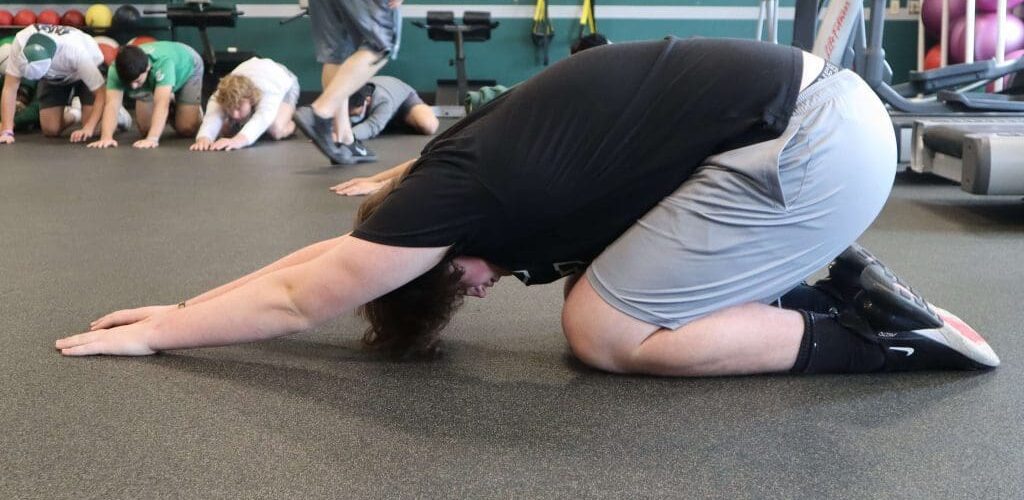
Yoga is a powerful, equipment-free practice that supports both physical and mental well-being. Simple poses like Mountain, Tree, Downward Dog, and Child’s Pose can be taught to all ages.
- Improves flexibility, balance, and breathing.
- Reduces stress and enhances focus.
- Can be integrated into classroom transitions or cooldowns.
Use storytelling to make yoga engaging—e.g., “We’re growing like a tall tree” or “We’re strong like a lion.” Resources from Gaiam’s Kids Yoga offer fun, age-appropriate sequences.
9. Dance-Based Fitness Routines
Choreographed dance routines—like Zumba-inspired moves or hip-hop sequences—get hearts pumping and spirits high. Use free online videos from platforms like Cosmic Kids or GoNoodle to guide sessions.
- Boosts cardiovascular health.
- Encourages self-expression and rhythm.
- Can be themed (e.g., superhero dance, jungle adventure).
These physical education activities without equipment are especially effective for engaging reluctant movers through music and fun.
10. Team-Building Challenges
Activities like “Human Knot” or “Group Jump Rope (Imaginary)” build trust and collaboration. In Human Knot, students stand in a circle, grab random hands across the circle, and work together to untangle without letting go.
- Fosters communication and problem-solving.
- Develops empathy and patience.
- Strengthens group cohesion.
These challenges are perfect for the end of a unit or as icebreakers. They prove that physical education isn’t just about fitness—it’s about connection.
Adapting Physical Education Activities Without Equipment for Different Ages
One size doesn’t fit all in PE. Tailoring physical education activities without equipment to developmental stages ensures safety, engagement, and effectiveness.
Early Childhood (Ages 3–6)
Young children thrive on play, imagination, and short bursts of activity. Focus on gross motor skills, rhythm, and exploration.
- Use animal walks, freeze dance, and simple yoga stories.
- Keep instructions visual and verbal.
- Limit sessions to 15–20 minutes with frequent transitions.
According to the National Association for the Education of Young Children (NAEYC), active play is essential for early brain development and emotional regulation.
Elementary School (Ages 7–11)
This age group enjoys competition, rules, and teamwork. Introduce structure while keeping it fun.
- Incorporate tag games, relay races, and partner challenges.
- Teach basic fitness concepts (e.g., heart rate, warm-up).
- Allow student input in game design to boost ownership.
Physical education activities without equipment at this stage should balance skill development with enjoyment to foster lifelong habits.
Middle and High School (Ages 12–18)
Older students may be self-conscious or disengaged. Focus on relevance, choice, and real-world application.
- Offer dance, yoga, or fitness circuits they can do at home.
- Discuss the science behind movement (e.g., how exercise affects mood).
- Use apps or journals to track progress.
Empower students to lead activities—this builds leadership and accountability. As noted by the Society of Health and Physical Educators (SHAPE America), student-centered PE increases motivation and long-term participation.
Benefits of Equipment-Free Physical Education
While traditional PE often relies on balls, hoops, and mats, eliminating equipment doesn’t mean sacrificing quality. In fact, physical education activities without equipment offer unique advantages.
Enhanced Creativity and Imagination
Without predefined tools, students must use their minds to invent, adapt, and visualize. A line on the floor becomes a balance beam; a chair becomes a mountain to climb. This imaginative play strengthens cognitive flexibility and problem-solving skills.
“When children create their own games, they’re not just moving—they’re thinking, negotiating, and innovating.” — Dr. Peter Gray, Psychologist and Play Researcher
Improved Focus and Discipline
Many equipment-free activities—like yoga, mirror games, or freeze dance—require intense concentration. Students learn to control impulses, follow complex instructions, and stay present. These skills transfer directly to academic performance and social behavior.
Greater Inclusivity and Equity
Not all students have equal access to sports gear or extracurriculars. Equipment-free PE levels the playing field. It also accommodates students with disabilities more easily—movements can be modified without drawing attention to differences.
physical education activities without equipment – Physical education activities without equipment menjadi aspek penting yang dibahas di sini.
- No need to worry about lost or forgotten gear.
- Reduces performance anxiety for less athletic students.
- Promotes a culture of participation over competition.
How to Structure a Lesson Using Physical Education Activities Without Equipment
A well-structured PE lesson ensures safety, progression, and engagement. Follow this simple framework for maximum impact.
Warm-Up (5–10 Minutes)
Prepare the body and mind for activity. Use dynamic stretches and light cardio.
- Jog in place, high knees, arm circles.
- Dynamic movements like grapevines or butt kicks.
- Incorporate breathing exercises or a quick mindfulness moment.
Example: “5-Minute Energy Boost” with jumping jacks, toe touches, and imaginary jump rope.
Main Activity (20–30 Minutes)
This is the core of the lesson. Choose one or two physical education activities without equipment based on your goals—fitness, skill, or teamwork.
- Teach the rules clearly with demonstrations.
- Break complex games into steps.
- Rotate roles (e.g., leader, referee) to keep engagement high.
Example: Run a “Fitness Adventure” with animal walks, freeze dance, and a team obstacle course.
Cool-Down and Reflection (5–10 Minutes)
Bring the heart rate down and reflect on the experience.
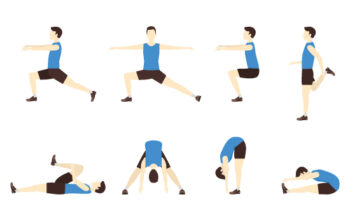
- Stretch major muscle groups (hamstrings, shoulders, back).
- Practice deep breathing or guided relaxation.
- Ask reflective questions: “What was challenging?” “What did you enjoy?”
This phase reinforces mindfulness and helps students connect physical activity to emotional well-being.
Overcoming Challenges in Equipment-Free PE
While physical education activities without equipment are highly effective, educators may face skepticism or logistical hurdles.
Space Limitations
Not all schools have gyms or outdoor areas. But even a classroom can be transformed.
- Push desks aside or use half the room.
- Use taped lines on the floor for boundaries.
- Opt for seated or low-impact activities when needed.
As shown by Edutopia, even 5-minute movement breaks in classrooms improve focus and reduce fidgeting.
Student Engagement
Some students may resist PE, especially if they feel self-conscious. Combat this with variety, choice, and positive reinforcement.
- Let students vote on activities.
- Rotate leadership roles.
- Celebrate effort, not just performance.
Creating a safe, judgment-free zone is key to long-term success.
Assessment and Progress Tracking
Without equipment, how do you measure progress? Focus on observable behaviors and self-assessment.
- Use rubrics for participation, effort, and teamwork.
- Have students journal about their energy levels or mood before/after activity.
- Track improvements in balance, endurance, or coordination over time.
SHAPE America’s National Standards for Physical Education emphasize competence, confidence, and lifelong engagement—goals that equipment-free PE can absolutely support.
Real-World Examples of Successful Equipment-Free PE Programs
Across the globe, schools and organizations are proving that physical education activities without equipment can be transformative.
Case Study: “Daily Mile” in Scotland
The “Daily Mile” initiative encourages students to run, walk, or skip for 15 minutes each day—no equipment, no structure, just movement. Schools report improved fitness, focus, and behavior. The program has spread to over 10,000 schools worldwide.
“It’s not about speed or competition. It’s about giving children the time and space to move.” — Elaine Wyllie, Founder of The Daily Mile
GoNoodle in U.S. Classrooms
GoNoodle provides free, interactive videos that guide students through dance, yoga, and mindfulness—all without equipment. Used in over 100,000 classrooms, it’s a prime example of how digital tools can enhance physical education activities without equipment.
UNICEF’s Active Play Programs
In refugee camps and low-resource areas, UNICEF promotes active play using only the body and imagination. Games like “Jump the Line” or “Shadow Tag” help children cope with stress while staying active.
physical education activities without equipment – Physical education activities without equipment menjadi aspek penting yang dibahas di sini.
These examples show that physical education activities without equipment aren’t just a backup plan—they’re a powerful, scalable solution for global health and education.
Tips for Teachers and Parents
Whether you’re a PE teacher, classroom educator, or parent, you can bring these activities to life with confidence.
Start Small and Build Confidence
You don’t need to run a 45-minute session on day one. Begin with 5-minute movement breaks between lessons. Use simple games like “Simon Says” or “Stretch and Breathe” to build routine.
Involve Students in Planning
Ask students to design their own game or lead a warm-up. This boosts ownership and creativity. You’ll be amazed at what they come up with!
Use Technology Wisely
Free apps and YouTube channels (like Cosmic Kids or GoNoodle) offer guided sessions. These are great for beginners or when you need a break.
- Ensure videos are age-appropriate and inclusive.
- Use them as supplements, not replacements, for teacher-led activities.
Make It a Habit
Consistency matters more than intensity. Aim for daily movement, even if it’s just 10 minutes. Over time, these physical education activities without equipment become a natural part of the day.
What are physical education activities without equipment?
These are structured movement exercises and games that require no special tools or gear—only the human body and available space. Examples include animal walks, freeze dance, yoga, and tag variations. They are designed to improve fitness, coordination, and social skills.
Are equipment-free PE activities effective for fitness?
Yes! Bodyweight exercises like squats, lunges, and jumping jacks build strength and endurance. Dance and relay games improve cardiovascular health. When structured properly, these activities meet national physical activity guidelines.
How can I teach PE without a gym or equipment?
You can use classrooms, hallways, or outdoor spaces. Focus on bodyweight movements, imaginative play, and cooperative games. Free online resources like GoNoodle or Cosmic Kids provide ready-to-use videos.
Can these activities be used for students with disabilities?
Absolutely. Equipment-free PE is highly adaptable. Movements can be modified for mobility, sensory, or cognitive needs. The focus on inclusion and creativity makes it ideal for diverse learners.
How often should students do equipment-free physical education?
The CDC recommends at least 60 minutes of moderate-to-vigorous physical activity daily for children. Incorporating short, frequent movement breaks (e.g., 10 minutes every 2–3 hours) can help meet this goal, especially in school settings.
Physical education activities without equipment are more than just a workaround—they’re a powerful, inclusive, and sustainable approach to movement and wellness. From animal walks to yoga, from freeze dance to team challenges, these activities prove that fitness doesn’t require gadgets or big budgets. With creativity and consistency, anyone can deliver high-quality PE using only the body and imagination. Whether in a classroom, at home, or in a community center, these strategies empower students to move, connect, and thrive. The future of physical education isn’t just about equipment—it’s about engagement, equity, and energy.
physical education activities without equipment – Physical education activities without equipment menjadi aspek penting yang dibahas di sini.
Further Reading: