
Looking for the best PE lesson plan templates? Discover 7 powerful, ready-to-use resources that save time, boost engagement, and ensure curriculum alignment—perfect for new and experienced physical education teachers alike.
What Are PE Lesson Plan Templates and Why They Matter
Physical Education (PE) lesson plan templates are structured frameworks that help teachers design, organize, and deliver effective physical education classes. These templates streamline the planning process by providing a consistent format for outlining objectives, activities, assessments, and standards alignment. For educators, especially those new to teaching or managing multiple grade levels, having a reliable set of PE lesson plan templates can dramatically reduce prep time and increase instructional quality.
Definition and Core Components
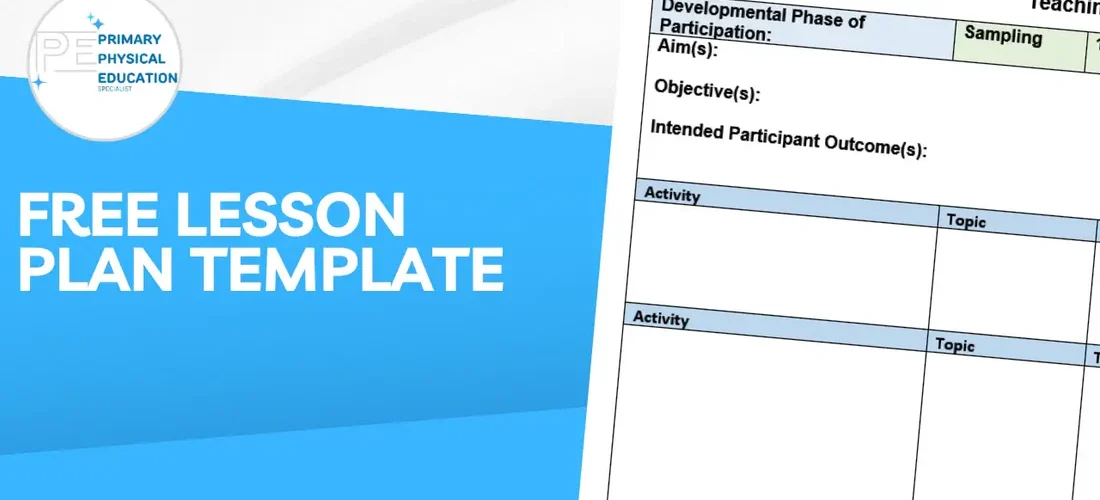
A typical PE lesson plan template includes essential elements such as learning objectives, warm-up activities, main instructional segments, skill development focus, game or activity descriptions, assessment methods, equipment needed, and safety considerations. These components ensure that each lesson is purposeful, measurable, and aligned with national or state physical education standards like those from SHAPE America.
Learning Objectives: Clear, measurable goals based on skill development or fitness concepts.Instructional Time: Duration of the lesson (e.g., 40 minutes).Equipment List: Items such as cones, balls, jump ropes, or music players.Safety Protocols: Guidelines for injury prevention and inclusive participation.Assessment Strategy: How student progress will be observed or recorded.
.”A well-structured lesson plan doesn’t restrict creativity—it enhances it by providing a reliable foundation.” — Dr.Robert Pangrazi, PE Education Expert
Benefits for Teachers and Students
Using standardized PE lesson plan templates offers numerous advantages.For teachers, they promote consistency across lessons, support long-term curriculum planning, and make it easier to share resources with colleagues or administrators.They also serve as valuable documentation during evaluations or accreditation reviews..
For students, structured lesson plans mean clearer expectations, better pacing, and more opportunities for skill mastery. When teachers use templates effectively, students experience greater engagement, improved motor skills, and enhanced understanding of health-related fitness concepts.
- Reduces teacher stress and planning fatigue.
- Supports differentiation for diverse learners.
- Facilitates data-driven instruction through built-in assessment tools.
- Encourages reflection and continuous improvement.
Top 7 PE Lesson Plan Templates You Can Use Today
With so many options available online, choosing the right PE lesson plan templates can be overwhelming. To simplify your search, we’ve curated seven of the most effective, educator-tested templates that cater to various grade levels, teaching styles, and curricular needs.
1. SHAPE America’s Official Lesson Plan Template
Developed by the Society of Health and Physical Educators (SHAPE America), this template is widely regarded as the gold standard in PE education. It emphasizes national standards, critical thinking, and student-centered learning. The template is fully customizable and aligns with the National Standards for K–12 Physical Education.
Key features include space for essential questions, formative assessments, and integration of technology. It’s ideal for schools aiming for accreditation or those implementing a standards-based grading system.
Download the official template and sample lessons at SHAPE America’s website.
2. PE Universe’s Editable Google Docs Templates
PE Universe is a popular online community for physical educators offering a vast library of user-submitted and expert-reviewed PE lesson plan templates. Their Google Docs-based templates are easy to duplicate, edit, and share. Each template includes fields for objectives, equipment, setup diagrams, and modifications for different ability levels.
One standout feature is the inclusion of video links demonstrating how to run specific games or drills. This visual support is especially helpful for substitute teachers or new instructors.
Explore their free resources at PE Universe.
3. Ophea’s Canadian Curriculum-Aligned Templates
Ophea (Ontario Physical Education Association) provides comprehensive, curriculum-aligned PE lesson plan templates tailored for Canadian educators. These templates integrate movement competence, healthy living, and social-emotional learning—key pillars of Ontario’s health and physical education curriculum.
The templates come in both English and French and include prompts for equity, diversity, and inclusion (EDI) considerations. They also offer guidance on connecting lessons to broader health topics like mental wellness and nutrition.
Access Ophea’s free planning tools at Ophea.net.
4. The PE Specialist’s Thematic Planning Sheets
The PE Specialist, run by experienced educator Joey Feith, offers creative, theme-based PE lesson plan templates that engage students through storytelling and imaginative play. These are perfect for elementary school teachers looking to make PE more fun and interdisciplinary.
Themes include “Ninja Training Academy,” “Jungle Adventure,” and “Superhero Fitness,” which incorporate literacy, math, and social studies concepts into physical activities. Each template includes a storyline, character roles, and cooperative challenges.
Visit The PE Specialist for downloadable seasonal and holiday-themed units.
5. Google Workspace for Education Templates (Free)
Google offers a range of free, collaborative PE lesson plan templates through Google Docs, Sheets, and Slides. These are ideal for schools using G Suite for Education. Teachers can create interactive lesson planners with embedded timers, video demonstrations, and real-time collaboration features.
For example, a Google Sheet template can track student progress across multiple skills over a semester, while a Google Slides deck can guide students through station-based circuits with visual cues.
Find community-shared templates in the Google Workspace Template Gallery.
6. UEN’s Standards-Based Lesson Planner (USA)
Utah Education Network (UEN) provides a robust, standards-based PE lesson plan template designed for K–12 educators. This template links directly to Utah’s Core Standards for Physical Education but is easily adaptable to other state frameworks.
It includes sections for differentiated instruction, cross-curricular connections, and family engagement ideas. One unique feature is the “Home Connection” box, encouraging students to practice skills at home with family members.
Browse UEN’s PE resources at UEN.org.
7. TES Resources: Community-Powered Templates
TES (Times Educational Supplement) hosts thousands of user-generated PE lesson plan templates from educators around the world. While content quality varies, many top-rated templates are highly detailed, visually appealing, and classroom-tested.
Popular downloads include themed unit plans for dodgeball, yoga for kids, and invasion games. Some templates come with PowerPoint presentations, student worksheets, and assessment rubrics—all available for free or a small fee.
Search for PE templates at TES Teaching Resources.
How to Customize PE Lesson Plan Templates for Your Classroom
While ready-made PE lesson plan templates are incredibly useful, their true power lies in customization. A one-size-fits-all approach rarely works in education, especially in PE where class sizes, equipment availability, and student abilities vary widely.
Adapting for Different Grade Levels
Elementary, middle, and high school students have vastly different physical, cognitive, and social needs. A template designed for 1st graders should emphasize basic motor skills, simple rules, and high levels of supervision. In contrast, high school templates might focus on fitness training principles, team strategy, and self-assessment.
When adapting templates:
- Simplify language and add visuals for younger students.
- Increase complexity of tasks and decision-making for older students.
- Adjust time allocations—shorter segments for younger kids, longer skill-building blocks for teens.
Incorporating Inclusive Practices
An effective PE lesson must be accessible to all students, including those with disabilities, limited mobility, or cultural sensitivities. Customizing templates to include Universal Design for Learning (UDL) principles ensures every student can participate meaningfully.
Strategies include:
- Offering multiple ways to engage (e.g., sitting volleyball, seated throwing).
- Providing peer support roles or buddy systems.
- Using non-elimination games to keep everyone active.
- Allowing alternative assessment methods (e.g., video journals, self-reflection).
“Inclusion isn’t a special program—it’s good teaching.” — Lauren Lieberman, Adapted PE Researcher
Integrating Technology and Digital Tools
Modern PE lesson plan templates can leverage technology to enhance learning. Consider embedding QR codes that link to video demos, using fitness trackers to monitor heart rate, or incorporating apps like ClassDojo for behavior management.
Digital templates in Google Docs or Notion allow for real-time updates, cloud storage, and easy sharing with co-teachers or substitutes. Some teachers even use tablets on the sidelines to record student performance and provide instant feedback.
- Use apps like Sworkit or GoNoodle for guided warm-ups.
- Embed YouTube clips showing proper technique.
- Create digital portfolios for student fitness logs.
Aligning PE Lesson Plan Templates with National Standards
One of the most critical aspects of using PE lesson plan templates is ensuring they align with established educational standards. In the United States, SHAPE America’s National Standards and Grade-Level Outcomes for K–12 Physical Education provide a comprehensive framework for what students should know and be able to do.
Understanding SHAPE America’s 5 National Standards
These standards form the backbone of high-quality PE programs:
- Standard 1: Demonstrates competency in motor skills and movement patterns.
- Standard 2: Applies knowledge of concepts, principles, strategies, and tactics related to movement and performance.
- Standard 3: Exhibits responsible personal and social behavior that respects self and others.
- Standard 4: Achieves and maintains a health-enhancing level of physical activity and fitness.
- Standard 5: Recognizes the value of physical activity for health, enjoyment, challenge, self-expression, and social interaction.
When evaluating or creating PE lesson plan templates, ensure each lesson clearly addresses at least one of these standards. For example, a soccer lesson might target Standard 1 (dribbling skills), Standard 2 (tactical positioning), and Standard 3 (fair play).
Mapping to State and International Frameworks
Beyond national standards, many states and countries have their own requirements. For instance:
- California: Emphasizes fitness testing and lifelong wellness.
- Texas: Requires structured PE minutes per week and obesity prevention education.
- Australia: Follows the Australian Curriculum: Health and Physical Education (ACARA).
- UK: Aligns with the National Curriculum for Physical Education in England.
Customize your PE lesson plan templates to reflect local mandates. This not only ensures compliance but also strengthens program legitimacy with parents and administrators.
Using Backward Design for Standards Alignment
Backward design is a powerful curriculum planning method where you start with the desired outcome (the standard) and work backward to develop assessments, activities, and instruction.
Steps:
- Identify the standard and grade-level outcome.
- Determine how students will demonstrate mastery (assessment).
- Plan learning experiences and instructional strategies.
- Select or modify a PE lesson plan template to fit this sequence.
This approach ensures every lesson has a clear purpose and measurable impact.
Time-Saving Strategies When Using PE Lesson Plan Templates
One of the biggest advantages of using PE lesson plan templates is the time they save. However, even with templates, poor organization can lead to inefficiency. Here are proven strategies to maximize productivity.
Create a Master Planning Calendar
Start each semester by mapping out your units, holidays, assessments, and special events. A master calendar allows you to assign templates to specific weeks, ensuring balanced coverage of skills and activities.
For example:
- September: Locomotor Skills & Team Building
- October: Striking and Fielding Games
- November: Fitness & Heart Rate Monitoring
With this roadmap, you can pre-load templates into your digital planner or print them in batches.
Build a Digital Template Library
Store your most effective PE lesson plan templates in a cloud-based folder (Google Drive, Dropbox, or OneDrive). Organize them by unit, grade level, or skill type for quick retrieval.
Pro tip: Use color-coding and star ratings to identify top-performing lessons. You can also add tags like “low equipment,” “indoor,” or “cooperative” for faster filtering.
Leverage Peer Collaboration and Sharing
Collaborate with other PE teachers in your district or online communities. Share your best templates and collect theirs. Platforms like PE Chat, Facebook groups, and the NASPE (now SHAPE) forums are excellent for exchanging ideas.
When you pool resources, you reduce redundant work and gain fresh perspectives. Some schools even create shared Google Sites as internal PE resource hubs.
“Alone we can do so little; together we can do so much.” — Helen Keller
Common Mistakes to Avoid with PE Lesson Plan Templates
Even experienced teachers can fall into traps when using PE lesson plan templates. Being aware of common pitfalls can help you maintain high instructional quality and student engagement.
Over-Reliance on Templates Without Adaptation
Using a template verbatim without considering your students’ needs can lead to disengagement or safety issues. For example, a game requiring high agility may not suit a class with mobility challenges.
Solution: Always review and modify templates before implementation. Ask: Is this safe? Is it inclusive? Does it match my students’ current skill level?
Neglecting Assessment and Reflection
Many templates focus heavily on activities but lack robust assessment sections. Without formative checks, it’s hard to know if learning is occurring.
Enhance your templates by adding:
- Quick exit tickets (e.g., “Show me the overhand throw motion”).
- Observation checklists.
- Student self-assessments using emojis or rating scales.
Also, reflect after each lesson: What worked? What needs adjustment?
Ignoring Equipment and Space Constraints
A beautifully designed lesson is useless if you lack the necessary equipment or space. Always cross-check the template’s requirements with your actual resources.
Workarounds:
- Use chalk instead of cones.
- Replace balls with bean bags or scarves.
- Modify games for smaller courts or indoor settings.
Smart adaptation keeps lessons running smoothly, even with limited supplies.
Future Trends in PE Lesson Planning and Digital Innovation
The future of PE lesson plan templates is digital, dynamic, and data-driven. As technology evolves, so do the tools available to physical educators.
Rise of AI-Powered Lesson Planners
Emerging AI tools can now generate customized PE lesson plan templates based on grade level, standards, available time, and equipment. Platforms like Curipod and MagicSchool AI allow teachers to input parameters and receive ready-to-use lesson outlines in seconds.
While human oversight is still essential, AI can handle routine planning tasks, freeing teachers to focus on delivery and student interaction.
Interactive and Gamified Templates
New digital platforms are turning static templates into interactive experiences. For example, teachers can use apps like Nearpod or Kahoot! to embed quizzes, polls, and video responses directly into their lesson flow.
Students might scan a QR code at each station to access instructions, watch a demo, and log their performance—all within a single, gamified lesson structure.
Data Integration and Student Progress Tracking
Future PE lesson plan templates will increasingly integrate with fitness trackers, heart rate monitors, and learning management systems (LMS). Imagine a template that automatically logs student activity minutes, calculates average heart rate zones, and generates personalized fitness reports.
Schools adopting platforms like FitnessGram or ActiGraph are already moving in this direction, enabling data-informed instruction and parent communication.
“The future of PE isn’t just about movement—it’s about meaningful, measurable growth.” — Dr. Mary Mohr, EdTech in PE Researcher
What are the best free PE lesson plan templates?
Some of the best free PE lesson plan templates come from SHAPE America, PE Universe, Ophea, and UEN. These are developed by experts, aligned with standards, and widely used in schools across North America. Google Workspace also offers free, customizable templates ideal for digital planning.
How do I make my PE lesson plans more engaging?
To boost engagement, incorporate themes, storytelling, and student choice into your PE lesson plan templates. Use music, technology, and cooperative challenges. Rotate stations frequently, include student leaders, and connect activities to real-world applications like sports or fitness for life.
Can I use PE lesson plan templates for special education?
Yes, many PE lesson plan templates can be adapted for special education by including modifications, simplified instructions, visual supports, and alternative assessment methods. Resources from Adapted PE Central and SHAPE America’s inclusion guides offer specialized templates for students with disabilities.
How often should I update my lesson plan templates?
Review and update your PE lesson plan templates at least once per semester. Consider student feedback, assessment data, and changes in standards or equipment. Refreshing templates ensures they remain relevant, effective, and aligned with current best practices.
Are there editable PE lesson plan templates for Google Docs?
Yes, many websites offer editable PE lesson plan templates for Google Docs. PE Universe, The PE Specialist, and TES Resources provide downloadable Google Docs templates that you can customize, share, and collaborate on in real time. Simply make a copy to your Drive and start editing.
PE lesson plan templates are more than just time-savers—they are essential tools for delivering high-quality, standards-aligned physical education. From SHAPE America’s official formats to innovative digital planners, the right template can transform your teaching practice. By customizing, aligning with standards, avoiding common mistakes, and embracing future trends, you can create dynamic, inclusive, and impactful PE experiences for every student. Start exploring, adapting, and innovating today to build a stronger, healthier future for your learners.
Further Reading: