
Looking to revolutionize your PE classroom? Discover 7 powerful PE teaching strategies that boost engagement, improve fitness, and make learning unforgettable—backed by research and real-world success.
Understanding PE Teaching Strategies and Their Impact
Physical Education (PE) is far more than just a break from academics. It plays a crucial role in shaping students’ physical health, emotional well-being, and social development. Effective PE teaching strategies are the backbone of a successful program, ensuring that students not only participate but also learn, grow, and stay motivated. These strategies go beyond traditional drills and games—they are intentional, evidence-based methods designed to maximize student outcomes.
What Are PE Teaching Strategies?
PE teaching strategies refer to the systematic approaches educators use to deliver physical education content in ways that promote skill development, physical activity, and lifelong fitness habits. These strategies are not one-size-fits-all; they are tailored to students’ age, ability level, interests, and learning styles. From cooperative learning to technology integration, these methods help teachers create dynamic, inclusive, and effective PE environments.
They focus on student engagement and active participation.They align with national and state physical education standards.They emphasize both physical and cognitive learning outcomes.”Effective PE isn’t about how much kids run—it’s about how much they learn while running.” – Dr.Charles Corbin, leading PE researcherWhy PE Teaching Strategies MatterIn an era where childhood obesity rates are rising and screen time is dominating free time, PE has never been more important.However, simply having a PE class isn’t enough.
.Without effective teaching strategies, PE can become disorganized, unengaging, or even exclusionary.Research shows that when teachers apply proven PE teaching strategies, students are more likely to meet physical activity guidelines, develop motor skills, and build positive attitudes toward exercise..
A study by the Centers for Disease Control and Prevention (CDC) found that schools using structured PE teaching strategies reported higher levels of student physical activity and improved classroom behavior. This demonstrates that the right strategies don’t just benefit PE—they enhance overall school climate and academic performance.
Strategy 1: Differentiated Instruction in PE
One of the most powerful PE teaching strategies is differentiated instruction—adapting teaching methods and activities to meet the diverse needs of all learners. In any PE class, students come with varying skill levels, physical abilities, and confidence. A one-size-fits-all approach can leave some students bored and others frustrated. Differentiated instruction ensures that every student is challenged appropriately and feels successful.
Assessing Student Readiness and Learning Profiles
To differentiate effectively, PE teachers must first understand their students. This involves assessing not only physical skills (like throwing, catching, or jumping) but also learning preferences, motivation levels, and emotional needs. Tools like skill checklists, self-assessments, and observational rubrics help teachers gather this data.
For example, a teacher might use a simple rubric to evaluate students’ ability to perform a basketball layup. Based on the results, they can group students into beginner, intermediate, and advanced levels, each receiving tailored drills and feedback. This approach ensures that no student is left behind—or held back.
Flexible Grouping and Tiered Activities
Once student needs are identified, flexible grouping allows teachers to create dynamic teams based on skill, interest, or learning goals. For instance, during a volleyball unit, one group might focus on basic bumping and setting, while another practices complex game strategies.
- Homogeneous groups: Students of similar skill levels work together to master specific techniques.
- Heterogeneous groups: Mixed-ability teams promote peer teaching and collaboration.
- Interest-based groups: Students choose activities that align with their passions, such as dance, martial arts, or fitness training.
By offering tiered activities—such as modified games with different rules or equipment—teachers can maintain challenge and engagement for all. For example, using lighter balls, shorter courts, or lower nets can make sports more accessible without sacrificing learning goals.
Strategy 2: Cooperative Learning Models
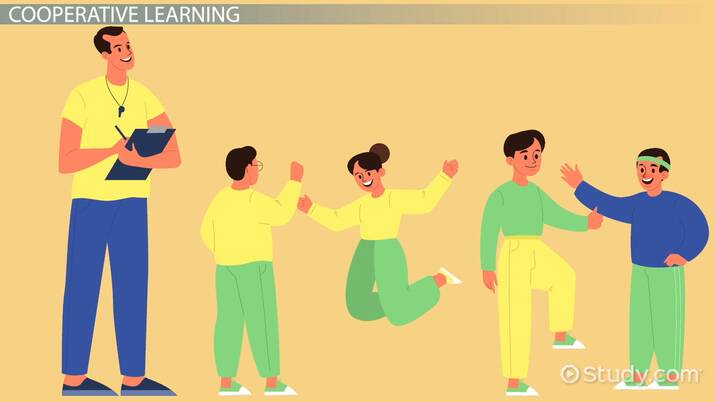
Cooperative learning is a cornerstone of modern PE teaching strategies. Instead of focusing solely on competition, this approach emphasizes teamwork, communication, and mutual support. Students work in small groups to achieve shared goals, fostering social skills and a sense of belonging.
The Jigsaw Method in PE
The jigsaw method is a powerful cooperative learning model where each student becomes an “expert” on a specific part of a task and then teaches it to their group. In a PE setting, this could be applied during a unit on gymnastics. One student learns and demonstrates a forward roll, another a cartwheel, and another a balance beam routine. After mastering their skill, they teach it to teammates.
This method promotes accountability, leadership, and peer-to-peer learning. It also reduces teacher workload, as students take ownership of their learning. Research from the Society of Health and Physical Educators (SHAPE America) shows that cooperative learning increases student engagement and reduces disruptive behavior in PE classes.
Team Building Through Challenge Courses
Challenge courses—both physical and cognitive—are excellent tools for cooperative learning. Low ropes courses, trust walks, and problem-solving games require students to communicate, plan, and support one another. These activities build trust and resilience, which transfer to other areas of school and life.
For example, a “human knot” activity requires students to stand in a circle, grab random hands, and then untangle themselves without letting go. This simple game fosters communication, patience, and creative thinking. When debriefed properly, it becomes a powerful lesson in collaboration.
“Alone we can do so little; together we can do so much.” – Helen Keller
Strategy 3: Game-Centered Approaches (TGFU and SSG)
Traditional PE often starts with isolated skill drills before moving to games. However, modern PE teaching strategies like Teaching Games for Understanding (TGFU) and Small-Sided Games (SSG) flip this model. They place students in game-like scenarios first, allowing them to develop tactical awareness and decision-making skills in context.
Teaching Games for Understanding (TGFU)
TGFU is a student-centered approach that emphasizes understanding over rote skill repetition. Instead of spending 20 minutes on passing drills, students play a modified version of soccer with fewer players and smaller goals. The teacher then pauses the game to ask questions like, “Why did you pass instead of dribble?” or “Where should you position yourself when your team has the ball?”
This inquiry-based method develops game intelligence and keeps students mentally engaged. According to research published in the Journal of Teaching in Physical Education, TGFU leads to better skill retention and higher motivation compared to traditional methods.
Small-Sided Games (SSG) for Maximum Engagement
SSGs are modified versions of sports with fewer players, smaller playing areas, and simplified rules. For example, 3v3 basketball instead of 5v5, or 4v4 soccer on a half-field. These adjustments increase the number of touches each student gets, reduce waiting time, and boost participation.
- More touches = more skill practice.
- Smaller teams = more responsibility and involvement.
- Shorter games = higher intensity and focus.
SSGs are especially effective for middle and high school students who may feel intimidated in full-sided games. They also allow teachers to easily assess performance and provide timely feedback.
Strategy 4: Integrating Technology in PE
Gone are the days when PE was disconnected from technology. Today’s most innovative PE teaching strategies leverage digital tools to enhance learning, track progress, and increase motivation. From heart rate monitors to fitness apps, technology is transforming how students experience physical education.
Using Wearable Fitness Trackers
Devices like Fitbit, Garmin, or Polar heart rate monitors provide real-time data on students’ physical exertion, steps taken, and calories burned. This data helps students set personal goals and understand the intensity of their activity.
For example, during a fitness circuit, students can monitor their heart rate zones and aim to stay in the target zone (60–80% of max heart rate) for optimal cardiovascular benefit. Teachers can use this data to differentiate instruction—encouraging some students to push harder while ensuring others don’t overexert.
Fitness Apps and Gamified Learning
Apps like ClassDojo, GoNoodle, and Sworkit bring gamification into PE. Students earn points for completing challenges, mastering skills, or showing sportsmanship. This instant feedback loop boosts motivation and makes fitness fun.
Platforms like PE Universe offer thousands of lesson plans and digital resources that integrate technology seamlessly. Teachers can assign video tutorials for homework, use QR codes for station rotations, or host virtual fitness challenges across grade levels.
“Technology is best when it brings people together.” – Matt Mullenweg
Strategy 5: Inquiry-Based and Student-Centered Learning
One of the most transformative PE teaching strategies is shifting from teacher-led instruction to student-centered inquiry. This approach empowers students to ask questions, explore solutions, and take ownership of their learning. Instead of being told how to perform a skill, they discover it through guided exploration.
PE teaching strategies – PE teaching strategies menjadi aspek penting yang dibahas di sini.
Problem-Solving in Movement Tasks
In an inquiry-based PE lesson, a teacher might present a challenge: “How can we move this ball across the gym without touching the floor?” Students then work in teams to design and test solutions using equipment like hoops, benches, and mats. This fosters creativity, critical thinking, and collaboration.
After the activity, the teacher facilitates a discussion: “What strategies worked? Why? How could you improve next time?” This reflection deepens understanding and connects physical activity to cognitive development.
Student-Led Units and Choice Boards
Another powerful method is allowing students to design their own units or choose activities from a “choice board.” For example, a fitness unit might offer options like yoga, dance, weight training, or outdoor adventure. Students select based on interest and set personal goals.
This autonomy increases intrinsic motivation and engagement. A study by the University of Birmingham found that students in student-led PE programs reported higher enjoyment and were more likely to stay physically active outside of school.
Strategy 6: Inclusive and Adaptive PE Teaching Strategies
Inclusion is not just a goal—it’s a responsibility. Effective PE teaching strategies must ensure that all students, regardless of ability, feel welcome and capable. Adaptive PE is not about lowering standards; it’s about removing barriers and providing equitable opportunities.
Universal Design for Learning (UDL) in PE
UDL is a framework that guides teachers in creating flexible learning environments. In PE, this means offering multiple means of engagement, representation, and expression. For example:
- Offer visual, auditory, and kinesthetic instructions.
- Provide choices in how students demonstrate skills (e.g., video, peer teaching, written reflection).
- Use adaptive equipment like seated scooters, beeping balls, or resistance bands.
By designing lessons that are accessible from the start, teachers reduce the need for last-minute modifications and promote a culture of inclusion.
Collaborating with Special Education Teams
Successful inclusive PE requires collaboration. PE teachers should work closely with special education staff, occupational therapists, and parents to understand individual student needs. Individualized Education Programs (IEPs) and 504 plans provide valuable guidance on accommodations and goals.
For instance, a student with autism might benefit from a visual schedule, a quiet corner, or a peer buddy system. A student with a physical disability might use a handcycle during a fitness unit. These adaptations ensure that every student can participate meaningfully.
Strategy 7: Assessment and Feedback in PE
Assessment is often overlooked in PE, but it’s a critical component of effective teaching strategies. Without assessment, teachers can’t measure progress, adjust instruction, or provide meaningful feedback. Modern PE assessment goes beyond grading participation—it evaluates skill mastery, knowledge, and personal growth.
Formative vs. Summative Assessment
Formative assessment happens during the learning process and is used to guide instruction. Examples include:
- Observational checklists during skill practice.
- Exit tickets asking students to reflect on what they learned.
- Peer assessments using simple rubrics.
Summative assessment occurs at the end of a unit and evaluates overall achievement. This might include a skills test, a fitness log, or a written exam on nutrition and health concepts.
Both types are essential. Formative assessment helps teachers make real-time adjustments, while summative assessment provides accountability and closure.
Providing Effective Feedback
Feedback is most effective when it’s specific, timely, and constructive. Instead of saying “Good job,” a teacher might say, “I noticed you kept your elbow high during the overhand throw—that helped you get more power.” This kind of feedback reinforces correct technique and builds confidence.
Technology can enhance feedback. Video analysis tools like Coach’s Eye allow students to record and review their performance. Seeing themselves in action helps them identify areas for improvement and track progress over time.
What are the most effective PE teaching strategies for middle school?
The most effective PE teaching strategies for middle school include cooperative learning, small-sided games, and student choice. At this age, students crave social interaction and autonomy. Strategies that promote teamwork, active participation, and personal relevance—like fitness challenges or dance units—are highly engaging and developmentally appropriate.
How can PE teachers make lessons more inclusive?
PE teachers can make lessons more inclusive by applying Universal Design for Learning (UDL), using adaptive equipment, offering activity choices, and collaborating with special education professionals. Creating a respectful, supportive environment where all students feel valued is key to inclusion.
What role does technology play in modern PE?
Technology enhances modern PE by providing real-time feedback, increasing motivation through gamification, and enabling personalized learning. Wearable trackers, fitness apps, and video analysis tools help students monitor progress and stay engaged in their physical development.
How do PE teaching strategies improve student outcomes?
Effective PE teaching strategies improve student outcomes by increasing physical activity levels, enhancing skill acquisition, promoting social-emotional learning, and fostering lifelong fitness habits. When students are actively engaged and feel successful, they are more likely to stay physically active both in and out of school.
Can PE teaching strategies be used in online or hybrid learning?
Yes, many PE teaching strategies can be adapted for online or hybrid learning. Teachers can use video demonstrations, virtual fitness challenges, digital choice boards, and home-based activity logs. Platforms like GoNoodle and YouTube offer free resources for remote PE instruction.
Effective PE teaching strategies are not just about teaching physical skills—they’re about transforming how students think about movement, health, and themselves. From differentiated instruction to technology integration, each strategy plays a vital role in creating inclusive, engaging, and impactful PE experiences. By embracing these seven powerful methods, educators can ensure that every student, regardless of ability or background, has the opportunity to thrive. The future of PE isn’t just about physical activity—it’s about holistic development, lifelong wellness, and joyful learning.
PE teaching strategies – PE teaching strategies menjadi aspek penting yang dibahas di sini.
Further Reading: