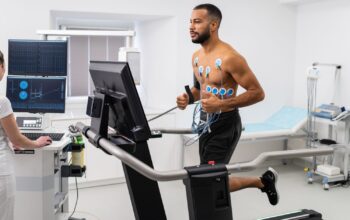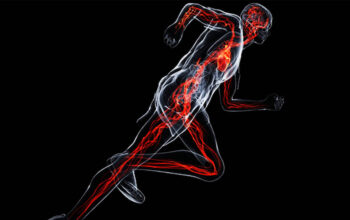


Physical conditioning for athletes isn’t just about lifting weights or running sprints—it’s a science-backed, holistic journey that transforms raw talent into peak performance. From strength and endurance to mental resilience, the right conditioning shapes champions.
1. The Science Behind Physical Conditioning for Athletes

Understanding the science of physical conditioning for athletes is the foundation of any elite training program. It’s not just about working hard; it’s about working smart, using physiological principles to maximize gains while minimizing injury risk. The human body adapts to stress through a process called supercompensation, where it rebuilds stronger after being challenged. This is the core mechanism behind effective conditioning.
Physiological Adaptations in Training
When athletes engage in consistent physical conditioning for athletes, their bodies undergo specific adaptations based on the type of stress applied. These changes occur at the cellular, muscular, cardiovascular, and neurological levels.
- Muscular Hypertrophy: Resistance training causes micro-tears in muscle fibers, which repair and grow thicker, increasing strength and power.
- Cardiovascular Efficiency: Endurance training improves stroke volume, capillary density, and mitochondrial function, allowing the heart and lungs to deliver oxygen more efficiently.
- Neuromuscular Coordination: Skill-based drills enhance the communication between the brain and muscles, improving reaction time and movement precision.
“The body achieves what the mind believes. But it’s the science that guides how we get there.” — Dr. David Behm, Neuromuscular Researcher
Energy Systems and Athletic Performance
Physical conditioning for athletes must align with the energy systems their sport demands. There are three primary energy systems: the phosphagen (ATP-CP), glycolytic, and oxidative systems.
- Phosphagen System: Fuels short bursts of high-intensity activity (0–10 seconds), crucial for sprinters and weightlifters. Training this system involves heavy lifts and explosive movements with long rest periods.
- Glycolytic System: Dominates during high-intensity efforts lasting 30 seconds to 2 minutes, such as 400m sprints. Conditioning here includes interval training with moderate rest.
- Oxidative System: Powers endurance activities (5+ minutes), like marathon running. Aerobic base building, tempo runs, and long slow distance (LSD) training are key.
Effective physical conditioning for athletes integrates all three systems, tailored to the sport’s demands. For example, a soccer player needs a strong aerobic base but also explosive power for sprints—requiring a hybrid approach.
2. Key Components of Physical Conditioning for Athletes
Physical conditioning for athletes is multidimensional. It’s not just about strength or speed—it’s the integration of several interdependent components that collectively define athletic readiness.
Strength and Power Development
Strength is the foundation of power, speed, and injury resilience. Without adequate strength, athletes cannot generate the force needed for explosive movements.
- Maximal Strength: Built through low-rep, high-load training (e.g., 3–5 sets of 3–5 reps at 85–95% 1RM). This improves neural drive and muscle fiber recruitment.
- Explosive Power: Trained via plyometrics, Olympic lifts (e.g., cleans, snatches), and ballistic movements. These enhance rate of force development (RFD).
- Relative Strength: Strength relative to body weight, crucial for sports requiring agility and jumping (e.g., basketball, gymnastics).
According to research from the Journal of Strength and Conditioning Research, athletes who combine maximal strength and power training see up to 20% greater performance gains in sprint and jump tests.
Endurance and Aerobic Capacity
Even in power sports, aerobic fitness plays a critical role in recovery between bouts of high-intensity effort. For endurance athletes, it’s the cornerstone of performance.
- Aerobic Base Training: Low-intensity, long-duration workouts build mitochondrial density and fat oxidation capacity.
- VO2 Max Training: High-intensity intervals at 90–100% of max heart rate improve oxygen utilization.
- Lactate Threshold Workouts: Tempo runs or cycling at just below lactate threshold delay fatigue onset.
For team sport athletes, a strong aerobic base allows for faster recovery between sprints, enhancing overall game performance. A study by Sports Medicine found that soccer players with higher VO2 max scores covered more distance during matches.
Flexibility, Mobility, and Injury Prevention
Often overlooked, flexibility and mobility are vital for optimal movement mechanics and injury prevention in physical conditioning for athletes.
- Dynamic Stretching: Performed pre-workout to activate muscles and improve range of motion (e.g., leg swings, arm circles).
- Static Stretching: Best post-workout to improve long-term flexibility.
- Myofascial Release: Using foam rollers or massage balls to reduce muscle tightness and improve tissue quality.
Poor mobility in hips or shoulders can lead to compensatory movements, increasing injury risk. A 2021 meta-analysis in British Journal of Sports Medicine showed that structured mobility programs reduced non-contact injuries by 30% in elite athletes.
3. Sport-Specific Conditioning Protocols
Physical conditioning for athletes must be tailored to the demands of their sport. A marathon runner’s program looks vastly different from a football lineman’s. Generic training leads to suboptimal results.
Team Sports: Soccer, Basketball, and Football
These sports require a blend of endurance, power, agility, and repeat sprint ability (RSA).
- Interval Training: 30-second sprints followed by 90 seconds of rest, repeated 8–10 times, mimics game demands.
- Change of Direction Drills: Cone drills, ladder footwork, and zig-zag sprints enhance agility.
- Collision Conditioning: For football, sled pushes and resistance tackling build impact resilience.
According to the International Journal of Sports Physiology and Performance, elite soccer players perform over 150 high-intensity actions per match—making RSA training non-negotiable.
Individual Sports: Sprinting, Swimming, and Gymnastics
These sports emphasize technical precision and peak power output.
- Speed Endurance: For sprinters, 150–300m reps at 90–95% effort with full recovery build race-specific stamina.
- Swim-Specific Dryland: Resistance band work, core stability, and shoulder prehab prevent overuse injuries.
- Flexibility Circuits: Gymnasts require extreme ranges of motion, trained through daily mobility routines.
Swimmers often incorporate contrast training—alternating heavy lifts with explosive jumps—to enhance neuromuscular efficiency.
Combat and Power Sports: Boxing, Weightlifting, MMA
These athletes need explosive power, anaerobic capacity, and mental toughness.
- Complex Training: Pairing heavy squats with jump squats to potentiate power output.
- Sparring Intervals: Simulated fight rounds with work-to-rest ratios matching competition (e.g., 3:1 for boxing).
- Grip and Neck Strengthening: Critical for grappling and impact absorption.
A 2020 study in Journal of Strength and Conditioning Research found that MMA fighters with higher anaerobic power indices won more matches by knockout.
4. The Role of Recovery in Physical Conditioning for Athletes
Training doesn’t make you stronger—recovery does. Without proper recovery, physical conditioning for athletes leads to overtraining, burnout, and injury.
Sleep and Hormonal Balance
Sleep is the most powerful recovery tool. During deep sleep, growth hormone (GH) peaks, facilitating muscle repair and adaptation.
- 7–9 Hours of Sleep: Recommended for athletes; less than 6 hours impairs reaction time and immune function.
- Sleep Hygiene: Cool, dark rooms, no screens before bed, consistent sleep schedules.
- Naps: 20–30 minute power naps can restore alertness and cognitive function.
A study from National Sleep Foundation showed that basketball players who extended sleep to 10 hours per night improved shooting accuracy by 9%.
Nutrition and Hydration Strategies
Fuel determines function. Athletes need precise macronutrient timing and hydration to support intense conditioning.
- Protein Intake: 1.6–2.2g per kg of body weight daily to support muscle synthesis.
- Carbohydrate Loading: For endurance athletes, 8–10g/kg/day before competition maximizes glycogen stores.
- Electrolyte Balance: Sodium, potassium, and magnesium prevent cramps and maintain nerve function.
Dehydration as low as 2% body weight loss can reduce strength and endurance by 10–15%. Monitoring urine color is a simple way to assess hydration status.
Active Recovery and Regeneration Techniques
Passive rest isn’t always best. Active recovery promotes blood flow and reduces soreness.
- Low-Intensity Cardio: Cycling, swimming, or walking at 30–50% max heart rate flushes metabolic waste.
- Cold Water Immersion: Reduces inflammation and muscle soreness post-exercise.
- Compression Garments: Improve venous return and reduce delayed onset muscle soreness (DOMS).
A 2019 meta-analysis in Sports Medicine concluded that contrast water therapy (alternating hot and cold) significantly reduced muscle soreness after intense training.
5. Periodization: Structuring Physical Conditioning for Athletes
Periodization is the strategic planning of training phases to peak at the right time. It prevents plateaus and overtraining, making physical conditioning for athletes sustainable and effective.
Macrocycle, Mesocycle, and Microcycle
Periodization breaks training into time-based cycles:
- Macrocycle: The entire training year, often aligned with a major competition (e.g., Olympics, World Championships).
- Mesocycle: 4–6 week blocks with a specific focus (e.g., hypertrophy, strength, power).
- Microcycle: Weekly plan detailing daily workouts, rest, and recovery.
For example, a track athlete might have a macrocycle ending at the World Championships, with mesocycles for base building, strength, speed, and tapering.
Linear vs. Undulating Periodization
Two main models exist for structuring volume and intensity:
physical conditioning for athletes – Physical conditioning for athletes menjadi aspek penting yang dibahas di sini.
- Linear Periodization: Gradually increases intensity while decreasing volume over time (e.g., start with high reps/low weight, end with low reps/high weight).
- Undulating Periodization: Varies intensity and volume within the same week (e.g., heavy strength day, moderate hypertrophy day, light power day).
Research in Journal of Strength and Conditioning Research found undulating models produced greater strength gains in trained athletes.
Tapering and Peaking for Competition
In the final 1–3 weeks before competition, athletes reduce training volume by 40–60% while maintaining intensity. This allows full recovery and supercompensation.
- Neuromuscular Priming: Short, explosive drills keep the nervous system sharp.
- Mental Rehearsal: Visualization and strategy review enhance readiness.
- Nutrition Optimization: Carb-loading and hydration protocols are fine-tuned.
Elite swimmers often taper for 10–14 days, resulting in 2–3% performance improvements—often the difference between gold and silver.
6. Technology and Data in Modern Physical Conditioning for Athletes
Today’s physical conditioning for athletes is driven by data. Wearables, force plates, and AI-powered analytics provide real-time feedback and predictive insights.
Wearable Technology and Biometrics
Devices like GPS trackers, heart rate monitors, and accelerometers quantify workload and recovery.
- GPS Vests: Used in team sports to track distance, speed, and acceleration.
- HRV (Heart Rate Variability): Measures autonomic nervous system balance; low HRV indicates fatigue or overtraining.
- Smart Clothing: Embedded sensors monitor muscle activation and breathing patterns.
According to Frontiers in Physiology, HRV-guided training improved performance by 12% compared to fixed programs.
Force Plates and Movement Analysis
These tools assess power output, balance, and asymmetries.
- Countermovement Jump (CMJ): Measures explosive leg power and fatigue levels.
- Ground Reaction Force (GRF): Identifies inefficient movement patterns.
- 3D Motion Capture: Used in biomechanics labs to refine technique.
Professional teams like the Golden State Warriors use force plates daily to monitor player readiness and adjust training loads.
AI and Predictive Analytics
Machine learning models analyze training data to predict injury risk and optimize performance.
- Injury Prediction Algorithms: Flag athletes at high risk based on workload spikes.
- Personalized Training Plans: AI adjusts programs based on real-time feedback.
- Video Analysis Tools: Automatically detect technique flaws in lifts or sprints.
Companies like Kitman Labs and Hudl are revolutionizing how coaches manage athlete development.
7. Mental Conditioning: The Hidden Edge in Physical Training
Physical conditioning for athletes is incomplete without mental training. The mind drives the body—especially under fatigue and pressure.
Mindset and Motivation
Athletes with a growth mindset embrace challenges and view setbacks as learning opportunities.
- Goal Setting: SMART goals (Specific, Measurable, Achievable, Relevant, Time-bound) increase focus and accountability.
- Self-Talk: Positive internal dialogue improves confidence and performance.
- Resilience Training: Building mental toughness through adversity simulations.
Research from American Psychological Association shows athletes who practice mental skills training perform 15–20% better under pressure.
Visualization and Mental Rehearsal
Also known as imagery, this technique activates the same neural pathways as physical practice.
- First-Person Visualization: Imagining executing a perfect skill from your own perspective.
- Emotional Engagement: Adding feelings of confidence and focus enhances effectiveness.
- Pre-Competition Routines: Mental walkthroughs reduce anxiety and improve readiness.
Olympic skier Lindsey Vonn used daily visualization to recover from injuries and dominate races.
Stress Management and Focus Techniques
High-pressure moments demand calm and clarity.
- Controlled Breathing: 4-7-8 technique (inhale 4s, hold 7s, exhale 8s) reduces cortisol.
- Mindfulness Meditation: Improves attention and emotional regulation.
- Attentional Control: Training to focus on task-relevant cues (e.g., target, breath) and ignore distractions.
A 2022 study in Frontiers in Psychology found that 8 weeks of mindfulness training reduced performance anxiety in collegiate athletes by 35%.
What is physical conditioning for athletes?
Physical conditioning for athletes is a systematic training process designed to improve strength, endurance, flexibility, speed, and mental resilience to enhance sports performance and reduce injury risk.
How often should athletes condition?
Most athletes should condition 4–6 days per week, with structured rest and recovery days. The frequency depends on the sport, training phase, and individual needs.
Can physical conditioning prevent injuries?
Yes. Proper conditioning improves muscle balance, joint stability, and movement efficiency, significantly reducing the risk of both acute and overuse injuries.
What’s the best way to start physical conditioning?
Begin with a fitness assessment, set clear goals, and follow a periodized program that includes strength, cardio, mobility, and recovery—ideally under professional guidance.
Is physical conditioning the same for all sports?
No. Conditioning must be sport-specific. A sprinter’s program focuses on power and speed, while a cyclist’s emphasizes aerobic endurance and muscular stamina.
Physical conditioning for athletes is far more than just working out—it’s a strategic, science-driven process that integrates strength, endurance, recovery, and mental training. From understanding energy systems to leveraging cutting-edge technology, every element plays a role in unlocking peak performance. The most successful athletes don’t just train harder; they train smarter, with precision, purpose, and patience. Whether you’re a weekend warrior or an elite competitor, embracing the full spectrum of physical conditioning will transform not just your performance, but your entire athletic journey.
physical conditioning for athletes – Physical conditioning for athletes menjadi aspek penting yang dibahas di sini.
Recommended for you 👇
Further Reading: