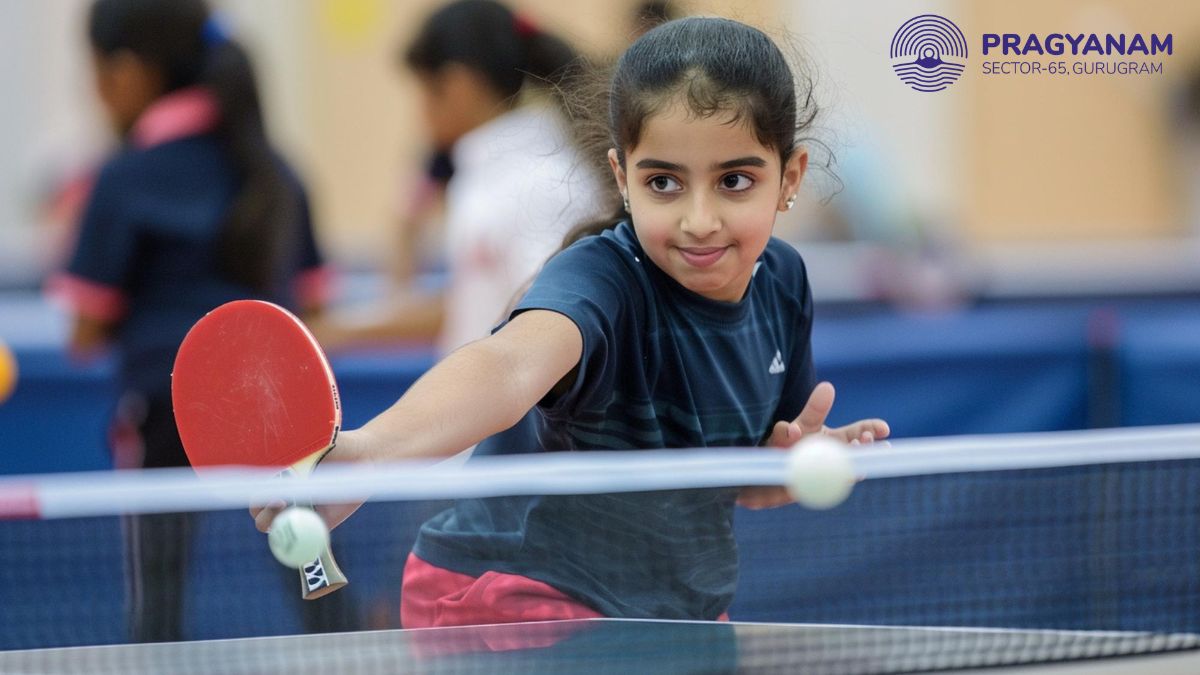

Physical education activities for students aren’t just about running laps or playing dodgeball—they’re a vital part of holistic development. From boosting physical health to enhancing mental focus, the right PE activities can transform how students learn and grow.
Why Physical Education Activities for Students Matter

Physical education (PE) is far more than just a break from academic subjects. It plays a critical role in shaping students’ physical, emotional, and cognitive development. Research consistently shows that regular physical activity improves concentration, reduces anxiety, and enhances academic performance.
Physical Health Benefits
Engaging in regular physical education activities for students helps combat childhood obesity, strengthens cardiovascular health, and improves motor coordination. According to the Centers for Disease Control and Prevention (CDC), children and adolescents should get at least 60 minutes of moderate to vigorous physical activity daily.
- Reduces risk of chronic diseases like type 2 diabetes and hypertension
- Builds strong bones and muscles
- Improves balance, flexibility, and endurance
Mental and Emotional Well-being
Physical activity triggers the release of endorphins—natural mood boosters. PE classes provide a structured environment where students can relieve stress, build self-esteem, and develop resilience.
- Decreases symptoms of anxiety and depression
- Enhances self-confidence through skill mastery
- Promotes better sleep patterns
“Physical activity is not just a tool for fitness—it’s a foundation for lifelong mental resilience.” — Dr. Angela Lee Duckworth, psychologist and author of Grit
Top 10 Physical Education Activities for Students
Choosing the right physical education activities for students requires creativity, inclusivity, and alignment with developmental stages. Below are ten dynamic, engaging, and effective activities that cater to diverse skill levels and interests.
1. Relay Races with a Twist
Relay races are classic, but adding creative challenges keeps students excited and mentally engaged. These variations promote teamwork, agility, and problem-solving.
- Sack Hop & Puzzle Relay: Students hop in sacks to a station, solve a simple puzzle, then tag the next teammate.
- Obstacle Course Relay: Incorporate crawling under ropes, jumping over cones, and balancing on lines.
- Math Relay: Solve a math problem before passing the baton—combines PE with academics.
2. Fitness Circuit Training
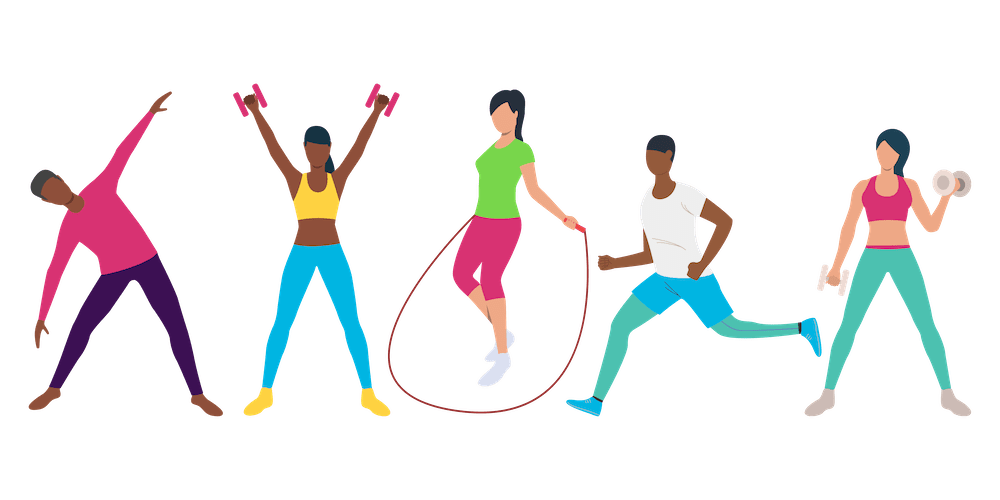
Circuit training introduces students to functional fitness in a fun, rotating format. It builds strength, endurance, and discipline.
- Set up 6-8 stations (e.g., jumping jacks, push-ups, lunges, planks, jump rope)
- Rotate every 30-60 seconds with a 1-minute rest between rounds
- Use music to keep energy high and timing consistent
This approach aligns with guidelines from SHAPE America, the Society of Health and Physical Educators, which advocates for structured, skill-based fitness programs.
3. Dance-Based Workouts
Dance is a powerful form of physical expression and cardiovascular exercise. Zumba, hip-hop, or culturally themed dances (like salsa or bhangra) make PE inclusive and culturally enriching.
- Improves rhythm, coordination, and aerobic capacity
- Encourages creativity and self-expression
- Can be adapted for all fitness levels
Platforms like The Fitness Magpie on YouTube offer kid-friendly dance routines perfect for classroom use.
Inclusive Physical Education Activities for Students with Diverse Needs
Not all students have the same physical abilities or comfort levels. Inclusive PE ensures every student feels valued and capable of participating.
Adaptive Games for Students with Disabilities
Modifying traditional games allows students with physical, cognitive, or sensory challenges to engage fully.
- Goalball (for visually impaired students): A Paralympic sport using a ball with bells and tactile markings.
- Unified Sports: Pair students with and without disabilities to promote teamwork and empathy.
- Seated Volleyball: Played on the floor with a lower net, ideal for mobility-limited students.
The Special Olympics provides excellent resources for educators seeking inclusive activity models.
Gender-Inclusive and Non-Competitive Options
Some students avoid PE due to fear of judgment or exclusion. Offering non-competitive, cooperative activities fosters a safer, more welcoming environment.
- Yoga and mindfulness sessions
- Cooperative obstacle courses
- Group juggling or rhythm circles
These activities emphasize collaboration over competition, reducing performance anxiety.
Technology-Enhanced Physical Education Activities for Students
Integrating technology into PE can boost engagement, especially for digital-native students. When used wisely, tech tools enhance rather than replace physical movement.
Fitness Trackers and Wearables
Devices like Fitbit or pedometers help students monitor steps, heart rate, and active minutes. This data-driven approach encourages goal-setting and self-awareness.
- Set weekly step challenges between classes
- Use heart rate zones to teach intensity levels
- Log activity in digital journals or apps
Active Video Games (Exergaming)
Games like Just Dance, Ring Fit Adventure, or Wii Sports blend gaming with physical exertion. While not a full replacement for traditional PE, they offer valuable alternatives on rainy days or for reluctant movers.
- Improves motivation through gamification
- Provides instant feedback and rewards
- Can be used in hybrid or remote learning settings
A study published in the Journal of Sports Science & Medicine found that exergaming significantly increased physical activity levels in middle school students (JSSM, 2020).
Team-Based Physical Education Activities for Students
Team sports are a cornerstone of PE, teaching collaboration, communication, and strategic thinking. However, traditional sports like basketball or soccer can intimidate less skilled students. Modified versions ensure broader participation.
Modified Team Sports
Adjusting rules, equipment, or field size makes sports accessible and enjoyable for all.
- Flag Football: Safer than tackle football, emphasizes passing and evasion.
- Kickball with Smaller Bases: Reduces running distance and increases success rate.
- Mini-Volleyball: Use low nets and softer balls for younger students.
Cooperative Team Challenges
These activities focus on group success rather than individual performance.
- Human Knot: Students stand in a circle, grab random hands, and untangle without letting go.
- Parachute Games: Promote rhythm, timing, and collective effort.
- Group Balance Challenges: E.g., all students must stand on a small mat without touching the ground.
Cognitive Integration in Physical Education Activities for Students
PE doesn’t have to be isolated from academic learning. Integrating cognitive challenges enhances brain-body coordination and reinforces classroom concepts.
Academic Skill Reinforcement
Combine movement with learning to boost retention and engagement.
physical education activities for students – Physical education activities for students menjadi aspek penting yang dibahas di sini.
- Math Tag: Call out equations; students solve them by running to the correct answer zone.
- Spelling Relay: Each student spells a letter of a vocabulary word while completing a task.
- Geography Hopscotch: Draw a world map on the ground and jump to countries as they’re named.
Problem-Solving and Strategy Games
Games that require planning and decision-making develop executive function skills.
- Escape Room PE: Solve physical puzzles to “unlock” the next station.
- Tactical Games: E.g., “Capture the Flag” with evolving rules to encourage adaptation.
- Obstacle Course Design: Let students create and test their own courses.
Outdoor and Nature-Based Physical Education Activities for Students
Outdoor PE connects students with nature, reduces stress, and encourages exploration. These activities are especially effective in improving attention and reducing hyperactivity.
Adventure-Based Learning
Activities like orienteering, nature scavenger hunts, or low ropes courses build resilience and environmental awareness.
- Use compasses and maps to navigate school grounds
- Identify local plants or animal tracks during walks
- Incorporate teamwork challenges like “cross the lava” using stepping stones
The Children & Nature Network highlights that outdoor play improves focus and reduces symptoms of ADHD.
Seasonal and Environmental Activities
Leverage the changing seasons to keep PE fresh and contextually relevant.
- Winter: Snowshoeing, sledding relays, or ice tag (with safety gear)
- Spring: Gardening projects combined with stretching or digging exercises
- Fall: Leaf pile jumps, pumpkin pass relays, or harvest-themed obstacle courses
Assessment and Evaluation of Physical Education Activities for Students
Effective PE programs require meaningful assessment—not just to grade students, but to improve instruction and ensure equity.
Formative vs. Summative Assessment
Both types are essential for tracking progress and adjusting teaching strategies.
- Formative: Ongoing observations, peer feedback, skill checklists
- Summative: End-of-unit skill demonstrations, fitness tests, project presentations
Student Self-Assessment and Reflection
Encouraging students to reflect on their growth fosters ownership and motivation.
- Use journals or digital portfolios to record progress
- Ask questions like: “What skill did you improve this week?” or “How did you support your team?”
- Implement rubrics that include effort, participation, and improvement—not just performance
“Assessment in PE should measure growth, not just ability. Every student can improve with the right support.” — Robert Pangrazi, PE education expert
Professional Development for PE Teachers
To deliver high-quality physical education activities for students, teachers need ongoing training and resources.
Workshops and Certifications
Staying updated on best practices ensures effective, safe, and inclusive instruction.
- CPR and First Aid certification
- Adaptive PE training
- Technology integration in PE
Organizations like AAHPERD (now part of SHAPE America) offer webinars, conferences, and certification programs.
Collaboration with Other Educators
Interdisciplinary collaboration enhances the relevance and impact of PE.
- Partner with science teachers to teach anatomy and physiology
- Work with math teachers on data collection from fitness trackers
- Coordinate with counselors to support students with anxiety or trauma
What are the best physical education activities for students with limited space?
Even in small classrooms or gyms, effective PE is possible. Try chair-based exercises, dance routines, yoga flows, or desk-based fitness challenges. Use apps like GoNoodle or Cosmic Kids Yoga for guided, space-efficient activities.
How can PE teachers make activities more inclusive?
Focus on adaptability, choice, and collaboration. Offer multiple ways to participate, use mixed-ability grouping, and emphasize effort over outcome. Regularly solicit student feedback to ensure everyone feels included.
Are team sports the only effective physical education activities for students?
No, team sports are just one component. Individual activities like fitness circuits, dance, yoga, and adventure-based learning are equally effective and often more inclusive. A balanced PE curriculum includes a variety of formats.
How often should physical education activities for students be conducted?
The CDC recommends at least 150 minutes per week for elementary students and 225 minutes for middle and high school students. Ideally, PE should be scheduled daily or every other day to maintain consistency and habit formation.
Can physical education improve academic performance?
Yes, numerous studies show a strong link between physical activity and cognitive function. Exercise increases blood flow to the brain, enhances memory, and improves focus. Schools that prioritize PE often see gains in test scores and classroom behavior.
Physical education activities for students are not just about physical fitness—they are a gateway to holistic development. From boosting mental health to fostering teamwork and academic integration, the right PE program can transform students’ lives. By incorporating inclusive, innovative, and cognitively engaging activities, educators can create dynamic learning environments where every student thrives. The key is variety, adaptability, and a commitment to lifelong wellness. Whether through relay races, dance workouts, or nature-based adventures, the goal remains the same: to inspire movement, joy, and growth in every child.
physical education activities for students – Physical education activities for students menjadi aspek penting yang dibahas di sini.
Further Reading: