
Starting your physical education class with the right warm up is more than just a routine—it’s a game-changer. These physical education warm up exercises prepare your body, sharpen your mind, and reduce injury risks, setting the tone for peak performance and lifelong fitness habits.
Why Physical Education Warm Up Exercises Are Essential

Warming up before any physical activity isn’t just a suggestion—it’s a necessity, especially in a structured environment like physical education (PE). The primary goal of physical education warm up exercises is to transition the body from a state of rest to one ready for dynamic movement. This process increases blood flow, elevates core temperature, and activates the nervous system, all of which are critical for optimal performance.
Preventing Injuries Through Proper Warm Ups
One of the most compelling reasons to incorporate physical education warm up exercises is injury prevention. Cold muscles are more prone to strains, sprains, and tears. A well-structured warm-up gradually increases muscle elasticity and joint lubrication, reducing the risk of soft tissue injuries.
- Dynamic stretching improves muscle compliance and reduces stiffness.
- Gradual heart rate elevation prevents cardiovascular strain.
- Neuromuscular activation enhances coordination and balance.
“A proper warm-up can reduce sports-related injuries by up to 50%, according to research published in the British Journal of Sports Medicine.”
Enhancing Physical and Mental Readiness
Beyond physical preparation, warm-ups play a crucial role in mental focus. In a PE setting, students often come from academic classrooms and need time to shift into an active mindset. Physical education warm up exercises act as a mental cue, signaling the brain that it’s time to move, focus, and engage.
- Improved concentration and reaction time.
- Increased confidence through familiar movement patterns.
- Reduction in anxiety or hesitation before physical tasks.
Key Components of Effective Physical Education Warm Up Exercises
Not all warm-ups are created equal. To maximize benefits, physical education warm up exercises should follow a structured progression. Experts recommend a three-phase approach: general warm-up, dynamic stretching, and sport-specific activation. This sequence ensures a holistic preparation of the body and mind.
General Warm-Up: Raising the Core Temperature
The first phase focuses on increasing heart rate and circulation. This is typically achieved through low-intensity aerobic activities that engage large muscle groups. The goal is to raise body temperature by 1–2°C, which enhances muscle efficiency and oxygen delivery.
- Light jogging or brisk walking (3–5 minutes)
- Jumping jacks or skipping rope
- High knees or butt kicks in place
These activities are simple yet effective, making them ideal for students of all fitness levels. For more guidance on general warm-up routines, visit the American Council on Exercise (ACE).
Dynamic Stretching: Preparing Muscles for Movement
Unlike static stretching, which is better suited for cool-downs, dynamic stretching involves controlled movements that take joints and muscles through their full range of motion. This type of stretching is a cornerstone of modern physical education warm up exercises.
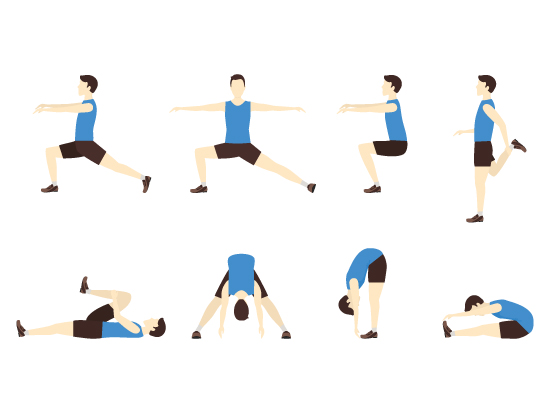
- Leg swings (forward-backward and side-to-side)
- Arm circles (small to large)
- Lunges with a twist
- Walking knee-to-chest lifts
Dynamic stretches mimic the movements of the upcoming activity, priming the neuromuscular system for action. According to the National Institutes of Health, dynamic stretching improves power, speed, and agility when performed before exercise.
Sport-Specific Activation: Bridging Warm-Up to Performance
The final phase of physical education warm up exercises should simulate the movements students will perform in the main activity. For example, if the lesson involves soccer, include light dribbling, passing drills, or short sprints. This phase enhances motor unit recruitment and movement efficiency.
- Agility ladder drills for sports requiring quick footwork
- Short shuttle runs for basketball or tennis
- Passing or catching drills for team sports
This specificity ensures that students aren’t just warmed up—they’re mentally and physically aligned with the task ahead.
physical education warm up exercises – Physical education warm up exercises menjadi aspek penting yang dibahas di sini.
Top 10 Physical Education Warm Up Exercises for Students
Here’s a curated list of the most effective physical education warm up exercises that are easy to teach, safe for all fitness levels, and highly engaging for students. These exercises can be mixed and matched based on age, ability, and the day’s activity.
1. Jumping Jacks – Full-Body Activation
Jumping jacks are a classic for a reason. They engage the arms, legs, and core while elevating the heart rate quickly. They require no equipment and can be done in a small space, making them ideal for classroom PE or outdoor sessions.
- Perform for 30–60 seconds at moderate intensity.
- Modify by stepping side-to-side with arm raises for lower impact.
- Add a squat at the bottom for increased challenge.
2. High Knees – Cardio and Coordination Boost
High knees are excellent for improving cardiovascular endurance and lower-body coordination. They also activate the hip flexors and core muscles, which are essential for running and jumping activities.
- Run in place, bringing knees up to hip level.
- Keep arms pumping to increase intensity.
- Perform for 30 seconds, rest, and repeat.
3. Butt Kicks – Hamstring Engagement
Butt kicks target the hamstrings and improve running mechanics. This exercise helps students become more aware of their leg movement and enhances knee flexion.
- Run in place, kicking heels up toward the glutes.
- Keep the pace controlled to avoid overstriding.
- Combine with high knees in alternating sets.
4. Arm Circles – Shoulder Mobility
Arm circles are a simple yet effective way to warm up the shoulder joints and upper body. They are especially useful before throwing, catching, or swimming activities.
- Extend arms out to the sides and make small circles.
- Gradually increase the size of the circles.
- Reverse direction after 15–20 seconds.
5. Leg Swings – Hip Flexibility and Balance
Leg swings improve hip range of motion and prepare the lower body for lateral and forward movements. They should be performed with control to avoid overextension.
- Hold onto a wall or partner for balance.
- Swing one leg forward and backward (10–15 reps).
- Switch to side-to-side swings for frontal plane mobility.
6. Walking Lunges – Dynamic Lower-Body Stretch
Walking lunges engage the quads, glutes, and hamstrings while promoting balance and coordination. They also incorporate a gentle stretch in the hip flexors of the back leg.
- Step forward into a lunge, keeping the front knee over the ankle.
- Lower the back knee toward the ground.
- Push off the front foot to step into the next lunge.
7. Toy Soldiers – Dynamic Hamstring Stretch
Toy soldiers, or straight-leg marches, are excellent for warming up the hamstrings and improving gait mechanics. They also enhance core stability as students maintain an upright posture.
- Walk forward while lifting one leg straight out in front.
- Reach the opposite hand to touch the raised foot.
- Keep the back straight and avoid arching.
8. Skips for Height and Distance – Power Development
Skipping drills build explosive power and coordination. They are particularly effective before sprinting or jumping activities.
- Focus on driving the knees high for height.
- Emphasize long strides for distance.
- Use arm drive to maximize propulsion.
9. Spider-Man Lunges – Full-Body Mobility
This advanced lunge variation combines hip, groin, and thoracic mobility. It’s a favorite among PE teachers for its functional benefits.
- Step forward into a lunge and place the opposite hand on the inside of the front foot.
- Allow the elbow to press gently against the inner thigh to open the hips.
- Rise and alternate sides with each step.
10. Carioca (Grapevine) – Lateral Movement Prep
Carioca, or the grapevine, is a lateral movement drill that warms up the hips and improves agility. It’s ideal before sports that involve side-to-side motion like basketball or tennis.
physical education warm up exercises – Physical education warm up exercises menjadi aspek penting yang dibahas di sini.
- Step sideways with the lead leg, then cross the trailing leg behind.
- Continue the pattern, moving laterally across the field.
- Reverse direction and repeat on the other side.
Adapting Physical Education Warm Up Exercises for Different Age Groups
One size does not fit all when it comes to physical education warm up exercises. Age, fitness level, and motor development significantly influence how warm-ups should be structured. Tailoring warm-ups ensures safety, engagement, and effectiveness.
Elementary School Students (Ages 5–10)
Younger students thrive on fun and imagination. Warm-ups should feel like games rather than exercises. Incorporate animal movements, music, and storytelling to keep them engaged.
- Frog jumps for leg strength and coordination.
- Crab walks to engage upper body and core.
- Duck walks to strengthen quads and improve balance.
Keep sessions short (5–7 minutes) and focus on movement exploration rather than technique perfection.
Middle School Students (Ages 11–14)
This age group is developing coordination and strength but may lack consistency. Warm-ups should build foundational movement patterns while introducing more structured drills.
- Combine high knees and butt kicks in circuits.
- Introduce agility ladder drills for foot speed.
- Use partner mirror drills to enhance reaction time.
Include brief explanations of *why* each exercise matters to foster long-term fitness awareness.
High School Students (Ages 15–18)
Older students can handle more advanced and sport-specific warm-ups. This is the ideal time to introduce complex movement patterns and self-led warm-up routines.
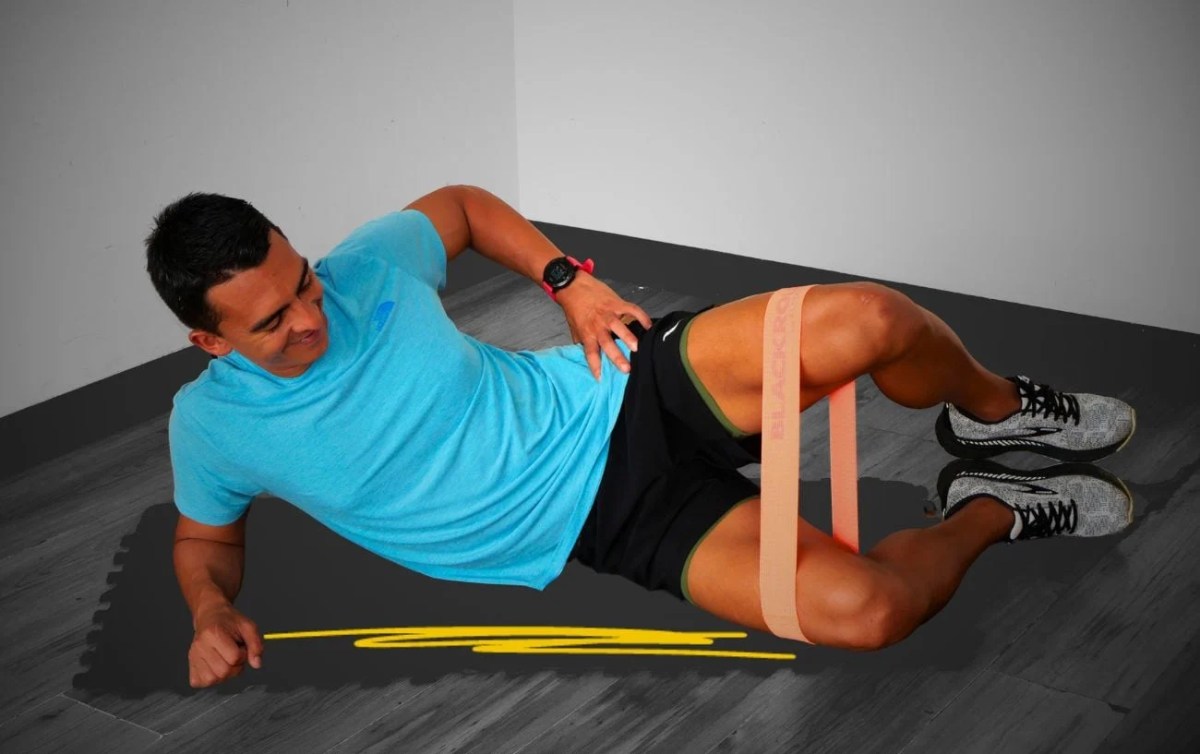
- Incorporate resisted band walks for glute activation.
- Use dynamic stretches with added load (e.g., medicine ball twists).
- Allow students to design their own warm-up sequences.
Encourage leadership by having student captains lead warm-ups, promoting responsibility and engagement.
Common Mistakes to Avoid in Physical Education Warm Up Exercises
Even experienced PE teachers can fall into common pitfalls when designing warm-ups. Avoiding these mistakes ensures that physical education warm up exercises are effective and safe.
Mistake 1: Skipping the Warm-Up Entirely
Time constraints often lead teachers to cut warm-ups short or skip them. However, this increases injury risk and reduces performance. Even a 3-minute warm-up is better than none.
“The time saved by skipping a warm-up is often lost later due to injuries or poor performance.”
Mistake 2: Using Static Stretching as a Primary Warm-Up
Static stretching—holding a stretch for 20–30 seconds—should not be the first phase of a warm-up. Cold muscles stretched statically are more prone to injury. Save static stretches for the cool-down.
- Replace static stretches with dynamic movements.
- Use static stretching only after the body is fully warmed up.
Mistake 3: Lack of Progression and Variety
Repeating the same warm-up every day leads to boredom and plateaus. Vary exercises weekly and progress from simple to complex movements as students improve.
physical education warm up exercises – Physical education warm up exercises menjadi aspek penting yang dibahas di sini.
- Rotate between cardio-based, mobility-focused, and sport-specific warm-ups.
- Introduce new drills every few weeks to maintain interest.
Integrating Technology and Games into Warm-Ups
Modern physical education classes can leverage technology and gamification to make physical education warm up exercises more engaging and measurable.
Using Fitness Apps and Wearables
Devices like heart rate monitors or fitness trackers can help students understand their physiological responses during warm-ups. Teachers can set target heart rate zones (e.g., 60–70% of max HR) and have students monitor their progress.
- Use apps like Polar Beat or MyFitnessPal to track activity.
- Display real-time heart rate data on a screen for group feedback.
- Challenge students to reach and maintain their warm-up zone.
Gamifying Warm-Up Routines
Turn warm-ups into games to boost motivation. Examples include:
- Red Light, Green Light: Students move during “green” and freeze during “red,” incorporating various movements.
- Warm-Up Bingo: Create bingo cards with different exercises; students complete them as they go.
- Obstacle Course Warm-Up: Set up a mini circuit with cones, ladders, and hurdles.
Games not only make warm-ups fun but also improve adherence and participation.
Measuring the Effectiveness of Physical Education Warm Up Exercises
How do you know if your warm-up is working? Beyond student feedback, there are objective and subjective indicators to assess effectiveness.
Physiological Indicators
These are measurable signs that the body is adequately prepared for activity.
- Increased heart rate (target: 100–120 bpm for moderate warm-up)
- Light sweating indicating elevated core temperature
- Improved breathing rate and depth
Performance-Based Indicators
Observe how students perform in the main activity. A good warm-up should result in:
- Faster reaction times
- Improved coordination and agility
- Greater power output in jumps or sprints
Student Feedback and Engagement
Ask students how they feel after the warm-up. Use simple surveys or thumbs-up/down systems to gauge:
- Energy levels
- Readiness to perform
- Enjoyment of the routine
High engagement often correlates with better adherence and long-term fitness habits.
Long-Term Benefits of Consistent Warm-Up Practices
While the immediate benefits of physical education warm up exercises are clear, the long-term advantages are equally significant. Regular warm-up routines contribute to lifelong health and athletic development.
Building Exercise Habits and Discipline
When students learn to warm up consistently, they develop a routine that supports overall exercise adherence. This habit can carry into adulthood, reducing sedentary behavior and chronic disease risk.
physical education warm up exercises – Physical education warm up exercises menjadi aspek penting yang dibahas di sini.
- Warm-ups teach the importance of preparation and self-care.
- They reinforce the idea that fitness is a process, not an event.
Reducing Chronic Injury Risk
Over time, consistent warm-ups reduce the cumulative risk of overuse injuries. By maintaining joint health and muscle balance, students are less likely to develop chronic issues like tendinitis or stress fractures.
- Dynamic mobility prevents joint stiffness.
- Neuromuscular training improves movement efficiency.
Enhancing Athletic Longevity
For student-athletes, proper warm-up routines can extend their competitive careers. Well-prepared bodies recover faster and adapt better to training loads.
- Improved recovery between sessions.
- Greater resilience to physical stress.
- Higher overall performance ceiling.
What are the best physical education warm up exercises for beginners?
For beginners, start with low-impact, easy-to-learn exercises like marching in place, arm circles, leg swings, and bodyweight squats. These movements build coordination and confidence without overwhelming new learners. Resources from the Society of Health and Physical Educators (SHAPE America) provide excellent beginner-friendly routines.
How long should a warm-up last in physical education class?
A typical warm-up should last between 5 to 10 minutes, depending on the intensity of the main activity. For high-intensity sports, aim for 10 minutes; for moderate activities, 5–7 minutes is sufficient. The key is to see light sweating and increased breathing as signs of readiness.
Can warm-ups improve student focus in PE class?
Absolutely. Warm-ups act as a mental transition from academic to physical learning. The rhythmic and repetitive nature of exercises like high knees or jumping jacks helps students center their attention, reduce distractions, and improve engagement throughout the lesson.
Should warm-ups be different for team sports vs. individual activities?
Yes. Team sports often require more agility, coordination, and quick directional changes, so warm-ups should include lateral movements and reaction drills. Individual activities like running or swimming benefit from linear movements and joint-specific mobility. Always align warm-ups with the demands of the main activity.
Are there any risks associated with improper warm-up techniques?
physical education warm up exercises – Physical education warm up exercises menjadi aspek penting yang dibahas di sini.
Yes. Poorly designed warm-ups—such as those with excessive static stretching, lack of progression, or overly intense drills—can lead to muscle strain, joint stress, or mental fatigue. Always ensure warm-ups are gradual, dynamic, and appropriate for the students’ age and fitness level.
Physical education warm up exercises are far more than a pre-activity ritual—they are a foundational element of safe, effective, and enjoyable physical activity. From injury prevention to mental focus and long-term health, a well-structured warm-up sets the stage for success. By incorporating dynamic movements, tailoring routines to age groups, avoiding common mistakes, and embracing innovation, PE teachers can transform warm-ups from a routine into a powerful tool for student development. The benefits extend beyond the classroom, fostering lifelong habits of movement, discipline, and self-awareness. Make every warm-up count.
Further Reading: