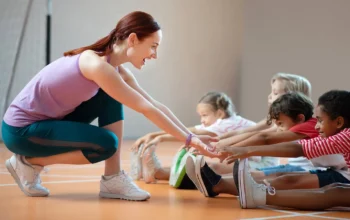

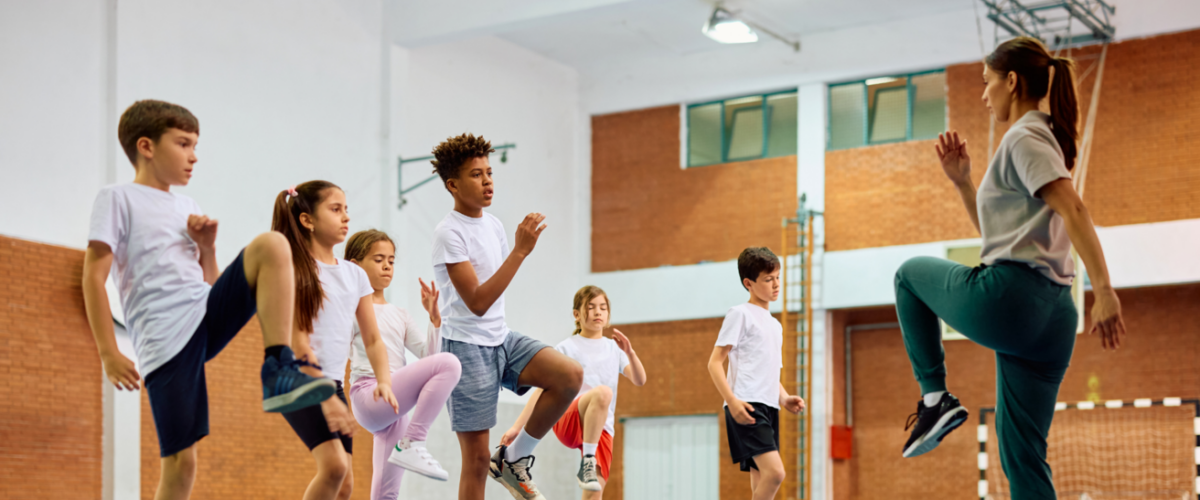
Physical training exercises for school aren’t just about running laps or playing tag—they’re essential tools for building healthier, sharper, and more confident students. When done right, these activities boost energy, improve focus, and lay the foundation for lifelong wellness.
Why Physical Training Exercises for School Are Essential

Integrating physical training exercises for school into the daily routine is no longer optional—it’s a necessity. With rising childhood obesity rates and increased screen time, schools play a pivotal role in promoting physical health. Regular physical activity helps students manage weight, strengthen muscles and bones, and improve cardiovascular health.
Improving Cognitive Function and Academic Performance
Research consistently shows a strong link between physical activity and brain function. When students engage in physical training exercises for school, blood flow to the brain increases, enhancing memory, attention, and problem-solving skills. A study by the Centers for Disease Control and Prevention (CDC) found that physically active students tend to have higher GPAs and better classroom behavior.
- Exercise increases oxygen flow to the brain, improving mental clarity.
- Physical activity stimulates the release of endorphins and dopamine, which reduce stress and improve mood.
- Structured movement breaks during class can boost concentration and reduce fidgeting.
“Students who are physically active tend to have better grades, school attendance, and cognitive performance.” — CDC, 2022
Building Social and Emotional Skills
Physical training exercises for school are not just about fitness—they also foster teamwork, communication, and emotional resilience. Group activities like relay races or cooperative games teach students how to collaborate, resolve conflicts, and support peers.
- Team sports encourage leadership and accountability.
- Non-competitive games reduce anxiety and build self-esteem.
- Physical challenges help students learn perseverance and goal-setting.
These soft skills are just as important as academic knowledge in shaping well-rounded individuals.
Age-Appropriate Physical Training Exercises for School
One size doesn’t fit all when it comes to physical training exercises for school. What works for a 6-year-old may not be suitable for a teenager. Tailoring activities to developmental stages ensures safety, engagement, and maximum benefit.
Exercises for Elementary School Students (Ages 5–10)
Younger children thrive on fun, imaginative, and low-structure activities. The goal is to instill a love for movement rather than focus on performance.
- Animal Walks: Bear crawls, frog jumps, and crab walks engage multiple muscle groups while feeling like play.
- Obstacle Courses: Use cones, hula hoops, and balance beams to create dynamic challenges that improve coordination.
- Freeze Dance: A high-energy game that combines music and movement, enhancing rhythm and listening skills.
These exercises are not only enjoyable but also support motor skill development and spatial awareness.
Exercises for Middle School Students (Ages 11–14)
At this stage, students are more capable of structured routines and benefit from activities that build strength, endurance, and coordination.
- Bodyweight Circuits: Include squats, push-ups, planks, and jumping jacks in timed rotations to build foundational strength.
- Agility Ladder Drills: Improve foot speed and coordination, useful for sports and daily movement.
- Partner Resistance Exercises: Use resistance bands or partner pushes to add challenge without equipment.
Incorporating variety prevents boredom and keeps students engaged during PE classes.
Exercises for High School Students (Ages 15–18)
Older students can handle more advanced physical training exercises for school, including strength training and sport-specific drills.
- Weight Training Basics: Introduce proper form for squats, deadlifts, and bench presses using light weights or resistance bands.
- HIIT (High-Intensity Interval Training): Short bursts of intense activity followed by rest improve cardiovascular fitness efficiently.
- Sport Conditioning: Drills tailored to basketball, soccer, or track enhance performance and reduce injury risk.
Providing choices allows students to explore interests and develop personal fitness goals.
Top 10 Physical Training Exercises for School
Here’s a curated list of the most effective and adaptable physical training exercises for school settings. These require minimal equipment, are scalable for different fitness levels, and can be done indoors or outdoors.
1. Jumping Jacks
A classic full-body warm-up that increases heart rate and warms up major muscle groups.
- Stand with feet together and arms at sides.
- Jump while spreading legs and raising arms overhead.
- Return to starting position and repeat for 30–60 seconds.
Perfect for quick energy boosts between classes.
2. Squats
Builds lower body strength and improves balance and posture.
- Stand with feet shoulder-width apart.
- Bend knees and lower hips as if sitting in a chair.
- Keep back straight and chest up; return to standing.
Can be modified with chair support for beginners.
3. Push-Ups
Strengthens chest, shoulders, and core. Can be adapted for all levels.
- Start in plank position with hands under shoulders.
- Lower body until chest nearly touches the floor.
- Push back up; modify with knees on the ground if needed.
ACE Fitness offers detailed form guides for safe execution.
4. Plank Hold
Develops core stability and endurance.
- Hold a push-up position on forearms and toes.
- Keep body in a straight line from head to heels.
- Engage core and hold for 20–60 seconds.
Great for improving posture and reducing back pain.
5. Mountain Climbers
A dynamic exercise that combines cardio and core work.
- Start in plank position.
- Drive one knee toward chest, then switch legs rapidly.
- Keep hips level and core tight.
Excellent for warming up or adding intensity to circuits.
6. Burpees
A full-body powerhouse that builds strength and stamina.
physical training exercises for school – Physical training exercises for school menjadi aspek penting yang dibahas di sini.
- Stand, then drop into a squat with hands on the floor.
- Kick feet back into plank, perform a push-up (optional).
- Jump feet back to hands and explode upward into a jump.
Challenging but highly effective—start with modified versions.
7. Lunges
Targets glutes, quads, and hamstrings while improving balance.
- Step forward with one leg, lowering hips until both knees are bent at 90 degrees.
- Push back to start and alternate legs.
- Can be done stationary or walking across a room.
Helps prevent sports-related injuries by strengthening leg muscles.
8. High Knees
Boosts cardiovascular fitness and coordination.
- Run in place, bringing knees up to hip level.
- Land softly on balls of feet.
- Perform for 30–60 seconds.
Ideal for energizing students before a test or lesson.
9. Wall Sit
Builds leg endurance and teaches mental toughness.
- Lean back against a wall with feet shoulder-width apart.
- Slide down until knees are at 90 degrees.
- Hold position for 20–60 seconds.
A simple yet effective isometric exercise.
10. Relay Races
Promotes teamwork and cardiovascular health through fun competition.
- Divide students into teams.
- Set a course with tasks like skipping, hopping, or carrying objects.
- First team to complete wins.
Encourages cooperation and sportsmanship.
Integrating Physical Training Exercises into the School Day
Physical training exercises for school don’t have to be confined to PE class. Schools can weave movement into the academic day to maximize benefits.
Active Classroom Breaks (Brain Boosters)
Short 3–5 minute movement breaks between lessons can re-energize students and improve focus.
- Stretching routines
- Chair-based yoga poses
- Quick dance sessions to upbeat music
Teachers can use platforms like GoNoodle to lead engaging, screen-based activities that get kids moving.
Walking Meetings and Hallway Challenges
Encourage informal movement by allowing walking discussions or setting up step-count challenges between classrooms.
- Use pedometers or fitness trackers.
- Create leaderboards to motivate participation.
- Offer small rewards for milestones.
These initiatives promote a culture of movement beyond the gym.
Recess and Outdoor Play
Unstructured play is just as important as structured exercise. Recess provides opportunities for creativity, socialization, and spontaneous physical activity.
- Provide equipment like jump ropes, balls, and hula hoops.
- Design inclusive games that welcome all skill levels.
- Train staff to encourage participation without pressure.
“Recess is not a reward for good behavior—it’s a critical component of child development.” — American Academy of Pediatrics
Safety and Inclusivity in Physical Training Exercises for School
While physical activity is beneficial, it must be delivered safely and inclusively. Every student, regardless of ability or background, should feel welcome and supported.
Ensuring Physical Safety
Preventing injuries is paramount in any school-based physical activity program.
- Always begin with a warm-up and end with a cool-down.
- Teach proper form before increasing intensity.
- Inspect equipment and playing surfaces regularly.
Staff should be trained in basic first aid and CPR.
Creating an Inclusive Environment
Some students may have physical disabilities, chronic conditions, or social anxieties that affect participation.
- Offer modified versions of exercises (e.g., seated push-ups).
- Avoid public ranking or timed competitions that may discourage slower students.
- Promote effort over performance.
Inclusion isn’t just about access—it’s about belonging.
Addressing Cultural and Gender Sensitivity
Be mindful of cultural norms around dress, touch, and mixed-gender activities.
- Allow students to opt out of certain activities respectfully.
- Provide gender-neutral changing spaces if applicable.
- Use diverse role models in fitness materials.
Sensitivity fosters trust and encourages broader participation.
Measuring the Impact of Physical Training Exercises for School
To ensure programs are effective, schools should track outcomes and gather feedback.
Quantitative Metrics
Use data to assess physical improvements and program success.
physical training exercises for school – Physical training exercises for school menjadi aspek penting yang dibahas di sini.
- Fitness test results (e.g., mile run times, push-up counts)
- Body Mass Index (BMI) trends (handled confidentially)
- Attendance and behavioral incident rates
Tools like the FITNESSGRAM assessment provide standardized benchmarks.
Qualitative Feedback
Student and teacher input is invaluable for refining programs.
- Anonymous surveys on enjoyment and comfort
- Focus groups to discuss likes and dislikes
- Teacher observations on classroom behavior post-exercise
Listening ensures the program evolves with student needs.
Long-Term Health and Behavioral Outcomes
The ultimate goal is to instill lifelong healthy habits.
- Track alumni participation in sports or fitness.
- Monitor reduction in sedentary behavior.
- Evaluate self-reported confidence and stress levels.
Sustainable change takes time, but the foundation starts in school.
Overcoming Common Challenges in Implementing Physical Training Exercises for School
Despite the benefits, many schools face obstacles in delivering consistent physical activity programs.
Limited Time and Curriculum Pressure
With academic demands, PE is often the first to be cut.
- Solution: Integrate movement into academic lessons (e.g., math hopscotch, vocabulary charades).
- Advocate for policy changes that mandate daily physical activity.
- Use short, high-impact exercises that fit into tight schedules.
Even 10 minutes a day makes a difference.
Lack of Equipment or Space
Not all schools have gyms or sports fields.
- Solution: Use bodyweight exercises that require no equipment.
- Utilize hallways, classrooms, or outdoor sidewalks.
- Apply for grants from organizations like SHAPE America.
Creativity can overcome resource limitations.
Low Student Motivation
Some students dread PE due to past negative experiences.
- Solution: Offer choice in activities (dance, yoga, martial arts, etc.).
- Focus on fun and personal progress, not competition.
- Involve students in planning sessions.
Empowerment increases engagement.
What are the best physical training exercises for school beginners?
For beginners, start with low-impact, easy-to-learn exercises like walking in place, seated marches, wall sits, and modified push-ups. These build confidence and foundational strength without overwhelming students.
How often should physical training exercises be done in schools?
The CDC recommends at least 60 minutes of moderate to vigorous physical activity daily for children and adolescents. Schools should aim for 30–60 minutes of structured activity most days of the week, supplemented by active breaks.
Can physical training exercises improve student behavior?
Yes. Regular physical activity helps regulate mood, reduce anxiety, and improve self-control. Studies show that students who participate in daily exercise exhibit fewer behavioral issues and better classroom focus.
Are competitive games appropriate in physical training exercises for school?
Competitive games can be beneficial if balanced with cooperative activities. Emphasize sportsmanship, equal participation, and effort over winning to create a positive environment for all students.
How can teachers incorporate movement without disrupting lessons?
Use short, focused movement breaks (2–5 minutes) between subjects. Activities like stretching, chair yoga, or quick coordination drills can be done without leaving desks and actually enhance learning readiness.
Physical training exercises for school are far more than a way to burn off energy—they are a vital component of holistic education. From boosting brainpower to building emotional resilience, structured and inclusive movement benefits every aspect of student development. By implementing age-appropriate exercises, ensuring safety and inclusivity, and overcoming common challenges, schools can create environments where every child thrives physically, mentally, and socially. The journey to lifelong wellness begins with a single step—and in school, that step can be a jumping jack.
physical training exercises for school – Physical training exercises for school menjadi aspek penting yang dibahas di sini.
Further Reading: