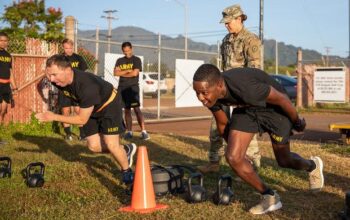


Ever wonder what separates elite athletes from the rest? It’s not just talent—it’s the science-backed strength and conditioning principles that build power, endurance, and resilience. Let’s dive into the game-changing strategies that fuel peak physical performance.
1. Foundational Strength and Conditioning Principles: The Core Pillars
At the heart of every elite training program are the foundational strength and conditioning principles. These aren’t just random tips; they’re scientifically proven concepts that guide how we train, recover, and adapt. Understanding these principles is the first step toward unlocking your full athletic potential.
What Are Strength and Conditioning Principles?
Strength and conditioning principles are the scientific guidelines that govern how the human body responds to physical training. They help coaches and athletes design programs that maximize performance, reduce injury risk, and ensure long-term progress.
- They are rooted in exercise physiology, biomechanics, and sports science.
- These principles apply across sports, fitness levels, and training goals.
- They ensure training is systematic, measurable, and progressive.
“The best programs aren’t built on trends—they’re built on principles.” — Cal Dietz, renowned strength coach.
The Role of Science in Training Design
Modern strength and conditioning isn’t guesswork. It’s a data-driven discipline. Coaches use research from institutions like the National Strength and Conditioning Association (NSCA) to inform their methods.
- Studies on muscle fiber recruitment, energy systems, and recovery inform program design.
- Biomechanical analysis helps optimize movement efficiency and reduce injury risk.
- Periodization models are tested and refined through longitudinal research.
Why These Principles Matter for All Athletes
Whether you’re a weekend warrior or a professional athlete, strength and conditioning principles level the playing field. They provide a roadmap for consistent improvement.
- Beginners avoid common mistakes like overtraining or improper form.
- Advanced athletes break plateaus and fine-tune performance.
- Coaches create individualized programs based on objective data.
2. The Principle of Specificity: Train for Your Sport
One of the most powerful strength and conditioning principles is specificity. This means your training should match the demands of your sport or activity. You wouldn’t train a marathon runner like a powerlifter—and vice versa.
Understanding Sport-Specific Demands
Every sport has unique physical requirements. A soccer player needs explosive sprints, agility, and endurance, while a weightlifter prioritizes maximal strength and power.
- Analyze movement patterns: running, jumping, cutting, throwing.
- Identify energy systems used: aerobic, anaerobic, or both.
- Assess muscle groups most engaged in performance.
Applying Specificity in Program Design
Once you understand the demands, you can tailor your training. For example, a basketball player might focus on plyometrics, vertical jump drills, and short bursts of high-intensity conditioning.
- Use exercises that mimic sport-specific movements (e.g., sled pushes for football linemen).
- Incorporate sport-specific energy system training (e.g., interval sprints for tennis players).
- Train at speeds and angles relevant to competition.
Common Mistakes in Applying Specificity
Many athletes fall into the trap of generic training. Lifting heavy weights without considering movement transfer is a classic error.
- Overemphasizing bodybuilding-style training for team sport athletes.
- Neglecting sport-specific agility and reaction drills.
- Failing to periodize training to peak at the right time.
3. The Principle of Progressive Overload: Getting Stronger Over Time
Progressive overload is one of the most fundamental strength and conditioning principles. It means gradually increasing the stress placed on the body during training to drive adaptation.
strength and conditioning principles – Strength and conditioning principles menjadi aspek penting yang dibahas di sini.
How Progressive Overload Works
When you challenge your muscles, nervous system, and energy systems beyond their current capacity, they adapt by getting stronger, faster, or more efficient.
- Adaptation occurs during recovery, not during the workout itself.
- Overload can be applied through weight, volume, intensity, or density.
- Without overload, progress stalls—your body adapts to the current load.
Methods to Apply Progressive Overload
There are multiple ways to implement this principle, depending on your goals and training phase.
- Increased Load: Gradually add weight to lifts (e.g., 2.5 lbs per week on squat).
- Increased Volume: Add more sets or reps (e.g., go from 3×8 to 4×8).
- Increased Intensity: Reduce rest time or increase training density (e.g., circuit training).
- Increased Frequency: Train a movement pattern more often per week.
Risks of Overdoing It: Avoiding Overtraining
While progressive overload is essential, too much too soon leads to overtraining, injury, and burnout.
- Signs include chronic fatigue, decreased performance, and mood disturbances.
- Use tools like RPE (Rate of Perceived Exertion) and HRV (Heart Rate Variability) to monitor stress.
- Balance overload with adequate recovery and deload weeks.
4. The Principle of Individualization: One Size Doesn’t Fit All
Another critical strength and conditioning principle is individualization. No two athletes are the same—differences in genetics, training history, injury background, and goals require personalized programming.
Assessing Athlete Profiles
Before designing a program, coaches must assess each athlete’s unique profile.
- Conduct movement screens (e.g., Functional Movement Screen – FMS).
- Evaluate strength, power, mobility, and endurance levels.
- Review injury history and biomechanical imbalances.
Customizing Programs for Different Athletes
A program that works for a 20-year-old soccer player may not suit a 35-year-old recreational runner.
- Young athletes may need more foundational strength and motor control work.
- Older athletes may require more recovery and joint stability training.
- Injury-prone athletes benefit from corrective exercises and prehab.
Using Data to Drive Individualization
Modern technology allows for precise customization.
- Wearable devices track workload, sleep, and recovery metrics.
- Force plates and velocity-based training tools optimize load selection.
- Regular testing (e.g., vertical jump, sprint times) informs adjustments.
5. The Principle of Recovery and Adaptation: Growth Happens Off the Clock
One of the most overlooked strength and conditioning principles is recovery. Training breaks you down; recovery builds you up. Without proper recovery, adaptation cannot occur.
The Science of Supercompensation
Supercompensation is the process where the body rebuilds itself stronger after a training stimulus.
- Phase 1: Training stress depletes energy and causes micro-damage.
- Phase 2: During recovery, the body repairs and strengthens tissues.
- Phase 3: If recovery is sufficient, performance exceeds baseline.
“You don’t get stronger in the gym—you get stronger when you rest.” — Dr. Tudor Bompa, pioneer in periodization.
Key Recovery Strategies
Effective recovery isn’t just about sleep—though that’s crucial. It’s a multi-faceted process.
strength and conditioning principles – Strength and conditioning principles menjadi aspek penting yang dibahas di sini.
- Sleep: 7-9 hours per night for optimal hormone regulation and tissue repair.
- Nutrition: Adequate protein, carbs, and micronutrients to fuel recovery.
- Active Recovery: Light movement like walking or swimming to enhance blood flow.
- Hydration: Even mild dehydration impairs recovery and performance.
Monitoring Recovery Status
Smart coaches use objective and subjective tools to assess recovery.
- Heart Rate Variability (HRV) indicates autonomic nervous system balance.
- Wellness questionnaires track sleep quality, mood, and soreness.
- Performance drops in warm-ups may signal incomplete recovery.
6. The Principle of Periodization: Plan Your Training Year
Periodization is a systematic approach to training that divides the year into phases, each with a specific goal. It’s one of the most advanced strength and conditioning principles used by elite programs.
What Is Periodization?
Periodization organizes training into macrocycles (year), mesocycles (months), and microcycles (weeks) to peak at the right time.
- Prevents overtraining by varying intensity and volume.
- Ensures athletes peak for competition, not during off-season.
- Allows for planned deloads and recovery phases.
Types of Periodization Models
There are several models, each suited to different sports and athletes.
- Linear Periodization: Gradually increases intensity while decreasing volume over time.
- Undulating (Non-Linear) Periodization: Varies intensity and volume weekly or daily.
- Block Periodization: Focuses on one quality (e.g., strength) per block.
- Conjugate Periodization: Trains multiple qualities simultaneously (e.g., Westside Barbell method).
Applying Periodization in Real-World Programs
Let’s say a high school football player has a season from August to November.
- Off-Season (Jan–Apr): Hypertrophy and foundational strength.
- Pre-Season (May–Jul): Strength and power development.
- In-Season (Aug–Nov): Maintenance and injury prevention.
- Post-Season (Dec): Active recovery and mobility work.
7. The Principle of Transfer of Training: Does It Help Performance?
Just because an exercise makes you stronger in the gym doesn’t mean it improves your sport. The principle of transfer asks: does your training actually enhance real-world performance?
What Is Training Transfer?
Transfer of training refers to how well gym-based adaptations translate to sport-specific outcomes.
- High transfer: Plyometric jumps improving sprint speed.
- Low transfer: Bicep curls improving throwing velocity (minimal impact).
- The goal is to maximize positive transfer and minimize neutral or negative transfer.
Maximizing Positive Transfer
To ensure your training transfers, focus on movement patterns, speed, and context.
- Use exercises that mimic sport mechanics (e.g., rotational medicine ball throws for golfers).
- Train at sport-specific velocities (e.g., velocity-based training for power development).
- Incorporate cognitive challenges (e.g., reaction-based drills).
Avoiding Negative Transfer
Sometimes, training can hurt performance. For example, excessive endurance work may reduce power in sprinters.
- Balance conflicting demands (e.g., strength vs. endurance).
- Avoid overdeveloping muscles that restrict range of motion.
- Monitor for movement compensations caused by imbalances.
8. The Principle of Consistency and Long-Term Development
While not always listed as a formal principle, consistency is arguably the most important factor in long-term athletic success. The best strength and conditioning principles mean nothing without regular, sustained effort.
strength and conditioning principles – Strength and conditioning principles menjadi aspek penting yang dibahas di sini.
Why Consistency Trumps Intensity
Short bursts of intense training followed by long breaks lead to minimal gains. Consistent training, even at moderate levels, yields compounding results.
- Muscle memory and neural adaptations require repetition over time.
- Connective tissues (tendons, ligaments) adapt slower than muscles—consistency is key.
- Long-term adherence prevents the “yo-yo” effect of fitness loss and regain.
Building Sustainable Habits
Elite athletes don’t just train hard—they train smart and stay consistent.
- Set realistic, incremental goals.
- Create a training schedule that fits lifestyle and recovery capacity.
- Use habit stacking (e.g., train right after work) to build routine.
The Role of Motivation and Accountability
Maintaining consistency requires more than willpower—it needs structure.
- Work with a coach or training partner for accountability.
- Track progress with journals or apps.
- Celebrate small wins to maintain motivation.
9. Integrating Strength and Conditioning Principles into Real Programs
Now that we’ve covered the core principles, how do you put them all together? Let’s look at a sample program for a collegiate basketball player.
Sample 12-Week Off-Season Program
This program integrates specificity, progressive overload, individualization, and periodization.
- Phase 1 (Weeks 1–4): Hypertrophy & Work Capacity – 3-4 sets of 8-12 reps, moderate load, short rest.
- Phase 2 (Weeks 5–8): Strength & Power – 4-5 sets of 3-6 reps, heavy load, longer rest, add plyos.
- Phase 3 (Weeks 9–12): Power & Sport-Specific Conditioning – explosive lifts, agility drills, game-like conditioning.
Exercise Selection Based on Principles
Every exercise is chosen for a reason.
- Squats and deadlifts for foundational strength (progressive overload).
- Box jumps and medicine ball slams for power (specificity and transfer).
- Bench press and pull-ups for upper body balance (individualization).
- Agility ladder and cone drills for quick direction changes (sport-specific).
Monitoring and Adjusting the Program
A static program fails. Coaches must adjust based on feedback.
- Test strength and power every 4 weeks.
- Use RPE to auto-regulate daily intensity.
- Incorporate athlete feedback on soreness and energy levels.
10. Common Mistakes in Applying Strength and Conditioning Principles
Even with the best knowledge, mistakes happen. Here are the most common errors and how to fix them.
Ignoring Individual Needs
Using a cookie-cutter program for all athletes ignores injury history, goals, and imbalances.
- Solution: Conduct thorough assessments before programming.
- Use corrective exercises for movement dysfunctions.
Overemphasizing Strength at the Expense of Mobility
Building strength without mobility leads to inefficient movement and injury risk.
strength and conditioning principles – Strength and conditioning principles menjadi aspek penting yang dibahas di sini.
- Solution: Integrate dynamic warm-ups and mobility work.
- Assess range of motion regularly.
Poor Recovery Management
Many athletes train hard but neglect sleep, nutrition, and active recovery.
- Solution: Educate athletes on recovery protocols.
- Build deload weeks into the program.
What are the 7 key strength and conditioning principles?
The seven key principles are specificity, progressive overload, individualization, recovery and adaptation, periodization, transfer of training, and consistency. These form the foundation of effective athletic development programs.
How do I apply strength and conditioning principles to my training?
Start by assessing your goals and sport demands. Design a program that gradually increases intensity (progressive overload), matches your sport’s needs (specificity), and is tailored to your body (individualization). Include planned recovery and vary training phases (periodization) to avoid plateaus.
Why is recovery important in strength and conditioning?
Recovery is when your body repairs and adapts to training stress. Without adequate sleep, nutrition, and rest, you risk overtraining, injury, and stalled progress. Recovery is not passive—it’s an active part of the training process.
What is periodization and why does it matter?
Periodization is the systematic planning of training phases to peak at the right time. It prevents burnout, optimizes performance, and allows for long-term progress by varying intensity, volume, and focus throughout the year.
Can beginners use advanced strength and conditioning principles?
strength and conditioning principles – Strength and conditioning principles menjadi aspek penting yang dibahas di sini.
Absolutely. While the application may be simpler, beginners still benefit from specificity, progressive overload, and recovery. A well-structured beginner program lays the foundation for long-term success and injury prevention.
Mastering strength and conditioning principles isn’t about complexity—it’s about consistency, science, and smart planning. From specificity to periodization, these principles form the backbone of elite athletic development. Whether you’re a coach, athlete, or fitness enthusiast, applying these concepts systematically will lead to sustainable, measurable progress. Remember, the gym is just one piece of the puzzle—recovery, individualization, and long-term thinking are what truly unlock peak performance.
Further Reading: