

Welcome to a deep dive into the world of student health and wellness programs—where physical, mental, and emotional well-being converge to create thriving learners. Discover how schools are transforming student success through holistic, evidence-based approaches.
Understanding the Core of a Student Health and Wellness Program

A student health and wellness program is more than just a checklist of medical checkups or nutrition workshops. It’s a comprehensive, integrated system designed to support students’ physical, emotional, social, and mental health throughout their academic journey. These programs are increasingly recognized as essential components of educational success, not just add-ons.
Research consistently shows that healthy students perform better academically. According to the Centers for Disease Control and Prevention (CDC), schools that implement coordinated student health and wellness programs see improvements in attendance, behavior, and test scores. These programs bridge the gap between education and health, ensuring students are not only physically safe but emotionally supported and mentally resilient.
Defining Student Health and Wellness
Student health and wellness encompasses a broad spectrum of factors that influence a student’s ability to learn and grow. It includes physical health (nutrition, exercise, sleep), mental health (stress management, emotional regulation), social well-being (peer relationships, inclusivity), and environmental factors (safe classrooms, supportive policies).
Unlike traditional health education, a modern student health and wellness program adopts a whole-child approach. This means recognizing that a student struggling with anxiety or food insecurity cannot fully engage in academics, no matter how effective the teaching methods are. The program must address root causes, not just symptoms.
- Physical health: Regular physical activity, balanced nutrition, adequate sleep
- Mental health: Access to counseling, stress reduction techniques, emotional literacy
- Social wellness: Peer support systems, anti-bullying initiatives, inclusive environments
Historical Evolution of Wellness in Education
The integration of health into education is not new. In the early 20th century, schools began incorporating basic hygiene and physical education into curricula. However, these efforts were often siloed and lacked coordination. The real shift began in the 1990s with the CDC’s introduction of the Whole School, Whole Community, Whole Child (WSCC) model, which emphasized collaboration between health and education sectors.
Since then, student health and wellness programs have evolved from reactive measures—like treating illness or responding to crises—to proactive, preventive frameworks. Today, schools use data-driven strategies to identify at-risk students, implement early interventions, and foster long-term resilience.
“Health and education are inseparable. A child who is hungry, anxious, or unwell cannot learn effectively.” — Dr. Charles Basch, Columbia University
Why a Student Health and Wellness Program is Essential Today
The modern student faces unprecedented challenges. From academic pressure and social media stress to economic instability and global crises, the mental and physical toll on young learners is significant. A well-structured student health and wellness program is no longer optional—it’s a necessity for creating equitable, effective learning environments.
Recent data from the National Alliance on Mental Illness (NAMI) reveals that 1 in 6 youth aged 6–17 experience a mental health disorder each year. Meanwhile, the CDC reports that only 24% of high school students meet the recommended 60 minutes of daily physical activity. These statistics underscore the urgent need for comprehensive wellness initiatives in schools.
Academic Performance and Health Correlation
There is a strong, well-documented link between student health and academic outcomes. Students who participate in a structured student health and wellness program tend to have higher GPAs, better attendance, and improved classroom behavior.
For example, a 2020 study published in the Journal of School Health found that students in schools with robust wellness programs scored 15% higher on standardized tests than peers in schools without such programs. The study attributed this to improved focus, reduced absenteeism, and enhanced emotional regulation.
- Improved concentration and cognitive function
- Reduced absenteeism due to illness or mental health issues
- Greater classroom engagement and participation
Addressing the Mental Health Crisis in Schools
The youth mental health crisis has reached alarming levels. According to the CDC’s 2023 Youth Risk Behavior Survey, more than 40% of high school students reported persistent feelings of sadness or hopelessness, and nearly 20% seriously considered suicide.
A student health and wellness program plays a critical role in early identification and intervention. By embedding mental health screenings, peer support groups, and access to counselors within the school day, these programs reduce stigma and ensure timely care. Schools like those in the National Association of School Psychologists (NASP) network have reported up to a 30% reduction in crisis incidents after implementing wellness frameworks.
“Mental health is not a luxury—it’s a prerequisite for learning.” — Dr. Amanda Sullivan, School Psychologist
Key Components of an Effective Student Health and Wellness Program
An effective student health and wellness program is not a one-size-fits-all solution. It must be tailored to the unique needs of the student population, school culture, and community resources. However, research identifies several core components that are consistently present in high-impact programs.
These components work synergistically to create a supportive ecosystem where students can thrive. From physical activity to emotional literacy, each element contributes to a holistic model of wellness that goes beyond the classroom.
Physical Health Initiatives
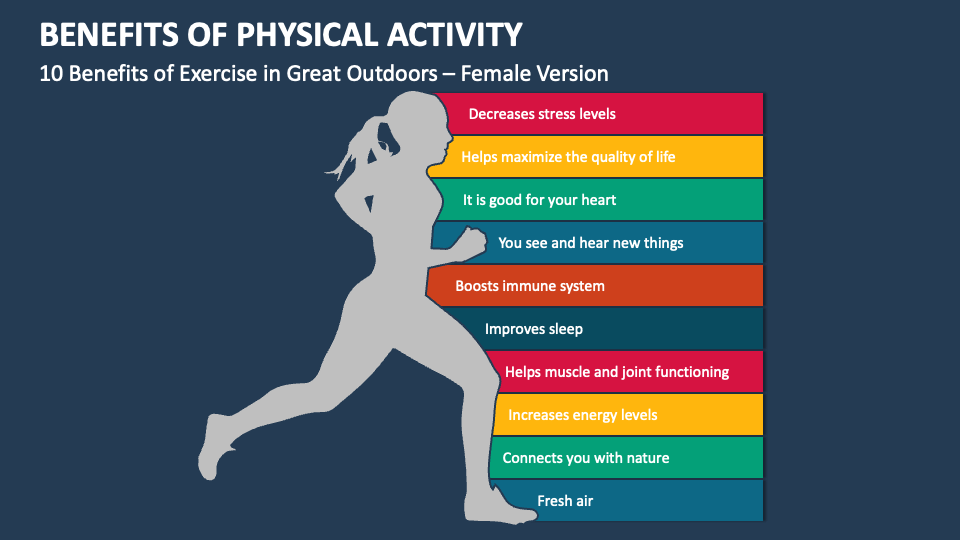
Physical health forms the foundation of any student health and wellness program. Regular physical activity, nutritious meals, and adequate sleep are non-negotiable for cognitive development and emotional stability.
Schools can promote physical health through daily physical education classes, active recess policies, and partnerships with local health organizations. For example, the Society of Health and Physical Educators (SHAPE America) recommends at least 150 minutes of PE per week for elementary students and 225 minutes for middle and high schoolers.
- Daily physical education and movement breaks
- Access to healthy school meals and hydration stations
- Sleep education and awareness campaigns
Mental and Emotional Support Systems
Mental health support is a cornerstone of a successful student health and wellness program. This includes access to licensed counselors, social-emotional learning (SEL) curricula, and peer-led wellness clubs.
SEL programs like CASEL’s (Collaborative for Academic, Social, and Emotional Learning) framework teach students how to manage emotions, set goals, show empathy, and make responsible decisions. Schools using CASEL’s model report a 13% improvement in academic performance and a 25% decrease in behavioral issues.
- Embedded SEL curriculum from K-12
- On-site mental health counselors and telehealth options
- Student-led wellness committees and peer mentoring
Social and Environmental Wellness
A student’s environment profoundly impacts their well-being. A supportive, inclusive school climate where students feel safe and valued is essential for emotional and academic growth.
Effective student health and wellness programs include anti-bullying campaigns, diversity and inclusion training, and restorative justice practices. Schools that foster a sense of belonging see higher student engagement and lower dropout rates.
- Restorative circles and conflict resolution programs
- Inclusive policies for LGBTQ+ and neurodiverse students
- Safe spaces and wellness rooms for emotional regulation
Implementing a Student Health and Wellness Program: A Step-by-Step Guide
Launching a student health and wellness program requires strategic planning, stakeholder buy-in, and sustainable funding. While the process may seem daunting, a structured approach can ensure long-term success and measurable impact.
From needs assessment to evaluation, each phase plays a critical role in building a program that meets the real needs of students and aligns with institutional goals.
Conducting a Needs Assessment
Before designing a program, schools must understand the specific health and wellness challenges their students face. A comprehensive needs assessment involves collecting data from multiple sources: student surveys, health records, teacher observations, and parent feedback.
Tools like the Youth Risk Behavior Survey (YRBS) can provide valuable insights into student behaviors related to mental health, substance use, and physical activity. This data helps prioritize interventions and allocate resources effectively.
- Administer anonymous student wellness surveys
- Analyze attendance, disciplinary, and academic data
- Engage parents and community health providers in focus groups
Building a Multidisciplinary Team
A successful student health and wellness program requires collaboration across disciplines. This includes teachers, school nurses, counselors, administrators, parents, and even students themselves.
Forming a wellness committee ensures diverse perspectives are represented and fosters shared ownership. The committee can oversee program design, implementation, and evaluation, creating a culture of collective responsibility.
- Include representatives from health, education, and community sectors
- Empower student voices in decision-making
- Establish clear roles and communication channels
Securing Funding and Resources
Sustainable funding is often the biggest challenge in launching a student health and wellness program. Schools can explore federal grants (e.g., Safe and Supportive Schools Grant), state health department funds, and private foundations.
Partnerships with local hospitals, nonprofits, and universities can also provide in-kind support, such as volunteer counselors or free health screenings. Crowdfunding and community sponsorships are additional avenues for resource generation.
- Apply for federal and state wellness grants
- Partner with local health organizations
- Launch community fundraising campaigns
Measuring the Impact of a Student Health and Wellness Program
To ensure accountability and continuous improvement, every student health and wellness program must include a robust evaluation framework. Without data, it’s impossible to know whether the program is achieving its goals or where adjustments are needed.
Effective measurement goes beyond anecdotal feedback. It involves tracking both quantitative and qualitative indicators across multiple domains of student well-being.
Key Performance Indicators (KPIs)
Identifying the right KPIs is crucial for assessing program success. These should align with the program’s objectives and be measurable over time.
student health and wellness program – Student health and wellness program menjadi aspek penting yang dibahas di sini.
- Attendance rates: A decrease in absenteeism indicates improved physical and mental health
- Behavioral incidents: Reduced suspensions and disciplinary actions reflect better emotional regulation
- Academic performance: GPA and test score trends show cognitive benefits of wellness support
- Student self-reports: Surveys on stress, happiness, and sense of belonging provide subjective insights
For example, a school in Oregon reported a 22% drop in absenteeism and a 17% improvement in math scores within one year of launching its student health and wellness program.
Qualitative Feedback and Student Voice
While numbers tell part of the story, student experiences provide depth and context. Regular focus groups, suggestion boxes, and student-led wellness audits can capture the lived reality of participants.
One high school in Michigan implemented a “Wellness Wall” where students posted anonymous reflections on what helped them feel supported. This feedback led to the creation of a quiet meditation room and expanded peer counseling services.
“When students feel heard, they’re more likely to engage and heal.” — Maria Thompson, School Wellness Coordinator
Innovative Examples of Student Health and Wellness Programs in Action
Across the United States and globally, schools are pioneering creative, impactful student health and wellness programs. These real-world examples demonstrate how innovation, collaboration, and commitment can transform student lives.
From mindfulness rooms to farm-to-school nutrition initiatives, these programs show that wellness is not a luxury—it’s an achievable, scalable priority.
Mindfulness and Meditation Spaces
Several schools have introduced mindfulness rooms—calm, tech-free zones where students can practice breathing exercises, meditation, or journaling during stressful moments.
In Baltimore, a public middle school saw a 40% reduction in behavioral referrals after opening a “Peace Room” staffed by trained wellness coaches. Students reported feeling “calmer” and “more in control” after using the space.
- Designated quiet rooms with soft lighting and calming decor
- Guided meditation apps and breathing tools
- Training for staff to support mindfulness practices
Farm-to-School Nutrition Initiatives
Nutrition is a critical component of any student health and wellness program. Schools in Vermont and California have partnered with local farms to provide fresh, organic produce in school meals.
Some schools even maintain on-site gardens where students grow vegetables and learn about sustainable agriculture. These programs improve dietary habits and foster environmental stewardship.
- On-campus gardens and greenhouse projects
- Cooking classes using fresh, local ingredients
- Nutrition education integrated into science and health curricula
Digital Wellness and Screen Time Management
With students spending increasing hours on screens, digital wellness has become a vital part of modern student health and wellness programs. Schools are teaching digital literacy, setting healthy boundaries, and promoting offline activities.
A high school in Colorado introduced a “Digital Detox Week,” encouraging students to unplug and engage in outdoor recreation, art, and face-to-face conversations. Post-event surveys showed improved sleep and reduced anxiety levels.
- Workshops on responsible social media use
- Screen time tracking tools and self-regulation strategies
- Offline clubs and tech-free zones on campus
Overcoming Challenges in Student Health and Wellness Programs
Despite their benefits, student health and wellness programs often face significant obstacles. From limited budgets to staff shortages and resistance to change, schools must navigate complex barriers to implementation.
However, with strategic planning and community engagement, these challenges can be overcome. The key is to start small, build momentum, and demonstrate tangible results.
Addressing Funding Limitations
One of the most common challenges is securing consistent funding. Many schools operate on tight budgets, making it difficult to hire wellness staff or purchase necessary resources.
Solutions include applying for competitive grants, leveraging community partnerships, and reallocating existing funds. For example, some districts have redirected money from disciplinary programs to preventive wellness initiatives, recognizing that prevention is more cost-effective than intervention.
- Seek grants from health-focused foundations
- Partner with local businesses for sponsorships
- Use volunteer networks and student interns
Managing Staff Workload and Training
Teachers and staff are often already overburdened. Adding wellness responsibilities without proper training or support can lead to burnout.
To address this, schools should provide professional development on trauma-informed practices, mental health first aid, and SEL integration. Distributing responsibilities across a wellness team—not just teachers—helps prevent overload.
- Offer paid training and certification programs
- Hire dedicated wellness coordinators
- Integrate wellness tasks into existing roles gradually
Engaging Parents and the Community
Parental involvement is crucial for program success. However, some families may be skeptical or unaware of the program’s benefits.
Schools can overcome this by hosting wellness nights, sending multilingual newsletters, and involving parents in program design. When families see positive changes in their children, engagement naturally increases.
- Host family wellness workshops and health fairs
- Provide resources in multiple languages
- Create parent advisory councils for wellness programs
What is a student health and wellness program?
A student health and wellness program is a structured initiative that supports students’ physical, mental, emotional, and social well-being through coordinated services, education, and policies within a school environment.
Why is student wellness important for academic success?
Student wellness directly impacts concentration, attendance, behavior, and cognitive function. Healthy students are more engaged, resilient, and capable of achieving their academic potential.
How can schools start a wellness program with limited resources?
Schools can begin with small, low-cost initiatives like mindfulness minutes, peer mentoring, or wellness surveys. They can then seek grants, community partnerships, and volunteer support to scale up over time.
What role do teachers play in a student health and wellness program?
Teachers serve as frontline observers and supporters. With proper training, they can integrate social-emotional learning, recognize signs of distress, and create inclusive, trauma-informed classrooms.
Are student health and wellness programs effective?
Yes. Numerous studies show that well-implemented programs lead to improved attendance, reduced behavioral issues, higher test scores, and better mental health outcomes among students.
A student health and wellness program is not just a trend—it’s a transformative approach to education. By addressing the whole child, schools can unlock greater academic achievement, emotional resilience, and lifelong well-being. From physical health to mental support and community engagement, these programs create the foundation for thriving learners and healthier societies. The journey may be challenging, but the rewards are undeniable.
student health and wellness program – Student health and wellness program menjadi aspek penting yang dibahas di sini.
Further Reading: